







What's Happening?
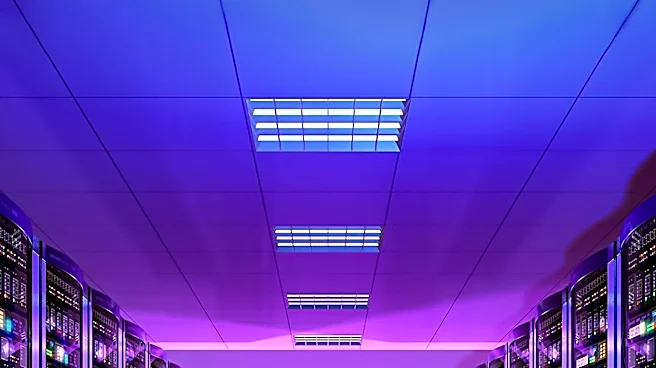
Plans for a 20-megawatt data center at the former Star Tribune printing plant in Minneapolis have been terminated. Legacy Investing, a Virginia-based developer, withdrew its land use application and ended its purchase agreement for the 600,000-square-foot
property. This decision follows weeks of community discussions and vocal opposition from residents, particularly from the North Loop Neighborhood Association. Concerns raised by the community included potential noise, water usage, electricity consumption, and the impact on local electrical rates. The cancellation also occurs while Minneapolis is under a City Council-imposed moratorium on data center projects, which is set to expire on November 21. The former printing plant has been vacant since last December, and experts had considered it ideal for a data center due to its large electrical capacity and open space.
Why It's Important?
The cancellation of the data center project highlights the growing tension between urban development, technological infrastructure needs, and community concerns. While some city officials, like Minneapolis Downtown Council CEO and president Adam Duininck, argue that such projects could provide significant property tax revenue to offset costs for homeowners and small businesses, community groups prioritize environmental and quality-of-life issues. This situation reflects a broader national debate on the siting of data centers, which are energy-intensive facilities often requiring substantial water for cooling. The city's moratorium, intended to allow for a review of data center impacts, has been criticized by some as sending a negative message to potential investors, potentially pushing businesses to other locations. The Star Tribune has stated its commitment to maximizing the value of the facility for the community and journalism, indicating the site's future remains uncertain.
What's Next?
With Legacy Investing withdrawing its plans, the future of the former Star Tribune printing plant remains undecided. A Minneapolis spokesperson confirmed that no other applications for the land have been received. It is unclear whether Legacy Investing will attempt to pursue data center projects in Minneapolis after the moratorium expires, though a company spokesperson previously indicated hesitation to move forward with future investments in the city due to the current climate. The City Council will need to address the broader policy implications of data center development as the moratorium approaches its end. This situation may prompt further dialogue between city planners, developers, and community stakeholders to establish clearer guidelines and address concerns regarding the environmental and social impacts of large-scale technological infrastructure projects within urban areas.
Beyond the Headlines
This development underscores a critical challenge for urban planning in the digital age: how to balance the demand for advanced technological infrastructure with local community interests and environmental sustainability. The pushback against the data center in Minneapolis reflects a growing public awareness of the resource demands of the digital economy, particularly concerning energy and water consumption. This case could serve as a precedent for other cities grappling with similar proposals, potentially leading to more stringent local regulations or community engagement requirements for data center developments. It also highlights the power of organized community action in influencing major development projects, suggesting that developers will increasingly need to integrate community concerns into their planning from the outset to ensure project viability.