








What's Happening?
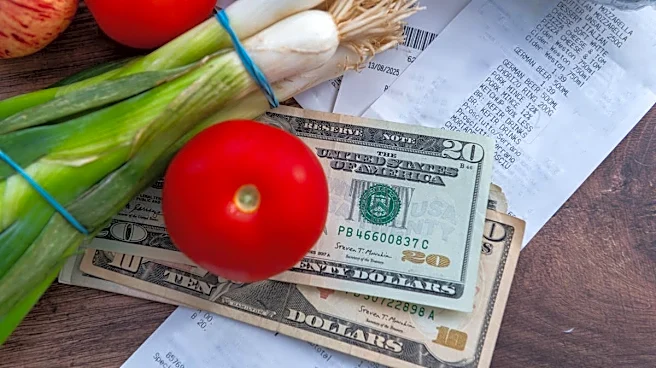
Retail sales in the United States rose by 0.2% in June, falling short of the expected 0.3% increase, according to the Commerce Department. This growth is a significant drop from May's revised 1% increase. Despite events like the World Cup and Amazon's
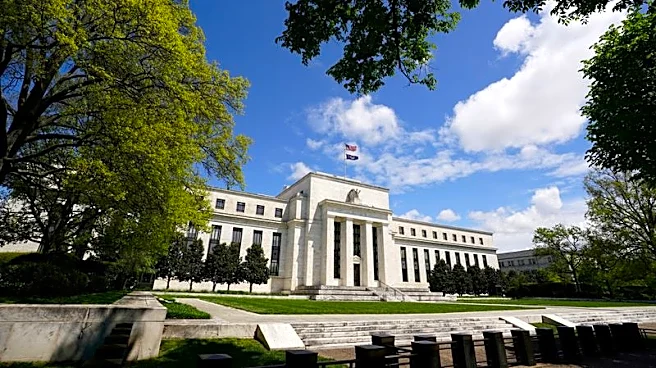
Prime Day boosting consumer spending, lower gas prices negatively impacted the overall retail figures. Excluding gas station sales, retail spending increased by 0.7%. The report indicates that consumer demand remains strong, with online retailers and car dealerships seeing the most significant sales increases. However, spending at gas stations and health and personal care stores declined. The data suggests that while consumer spending is resilient, it may not be enough to prompt the Federal Reserve to change its current interest rate policy.
Why It's Important?
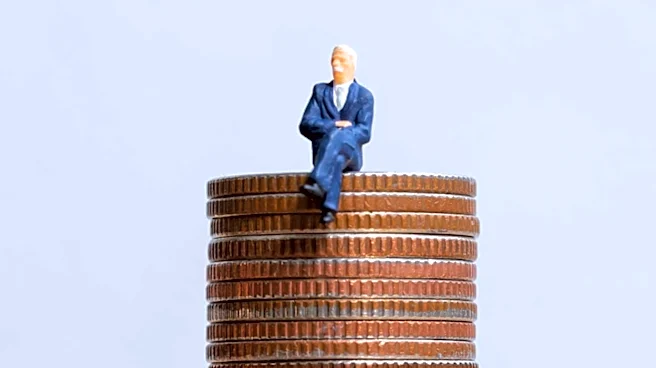
The retail sales data is crucial as consumer spending accounts for about two-thirds of the U.S. economy. The weaker-than-expected growth could signal potential challenges for economic expansion, especially if consumer sentiment continues to weaken. The data also impacts Federal Reserve policy, as robust consumer spending coupled with high inflation may lead the Fed to maintain its current interest rate stance. The divergence in spending patterns, with low-income households feeling more financial strain, highlights the ongoing K-shaped economic recovery, where different segments of the population experience varying levels of economic benefit.