




What's Happening?
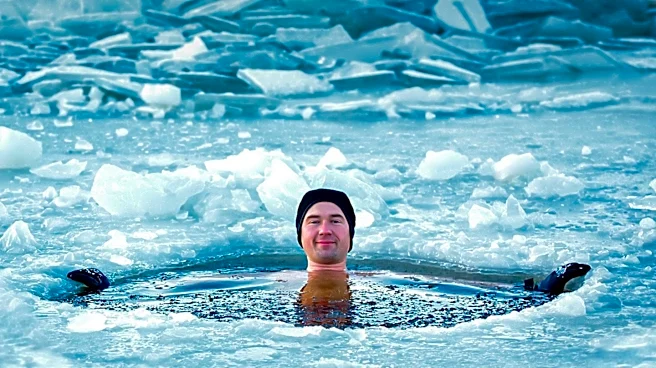
Cold plunge therapy, also known as cold water immersion, involves submerging the body in frigid water, typically ranging from 38 to 59 degrees Fahrenheit, for short durations. This practice, rooted in ancient traditions, is increasingly supported by modern
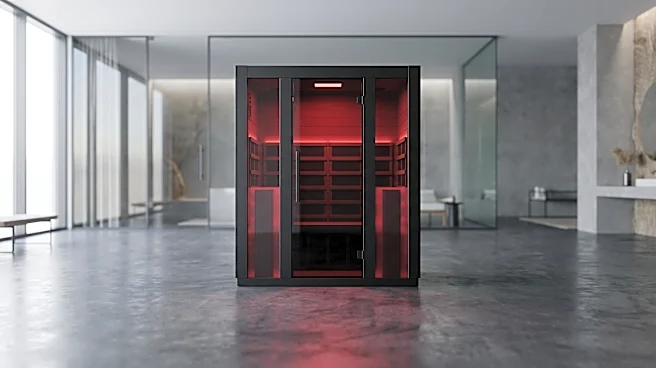
science for its benefits in physical recovery and mental resilience. When the body enters cold water, blood vessels constrict, redirecting blood to vital organs. Upon exiting, these vessels dilate, flushing metabolic waste products like lactic acid from muscles, which significantly reduces delayed onset muscle soreness and perceived fatigue after strenuous physical activity. The practice is gaining popularity among athletes and individuals seeking to enhance their well-being, with many gyms and wellness studios now offering cold plunge facilities, often alongside saunas for contrast therapy. Water temperatures for recovery research typically fall between 50 and 59 degrees Fahrenheit, with sessions lasting from 1 to 10 minutes, and a recommended frequency of two to four times per week.
Why It's Important?
The growing adoption of cold plunge therapy signifies a shift in recovery and wellness practices within the U.S., particularly among athletes and fitness enthusiasts. Its effectiveness in reducing muscle soreness and inflammation can lead to faster recovery times, allowing athletes to maintain more consistent training schedules and potentially improve performance. Beyond physical benefits, the mental resilience cultivated by enduring the discomfort of cold water immersion can translate into better stress management in daily life. This trend also impacts the wellness industry, driving demand for specialized equipment like dedicated plunge tubs with chillers and filtration systems, and expanding services offered by gyms and spas. The accessibility of these facilities makes the practice more mainstream, influencing consumer choices in health and fitness routines and potentially leading to further research and development in cold therapy technologies.
What's Next?
As cold plunge therapy continues to gain popularity, the market for home-based cold plunge systems is expected to expand, offering more accessible and convenient options for regular use. Manufacturers are likely to innovate with features such as precise temperature control, integrated filtration, and smart connectivity. Wellness centers and gyms will likely continue to integrate cold plunge facilities, often pairing them with other recovery modalities like saunas for contrast therapy. Further scientific research will likely explore the long-term effects and optimal protocols for cold water immersion, potentially leading to more standardized guidelines for its application in athletic recovery and general wellness. Additionally, increased awareness may prompt healthcare professionals to consider cold therapy as a complementary approach for certain conditions, though medical consultation remains crucial for individuals with pre-existing health issues.
Beyond the Headlines
The rise of cold plunge therapy reflects a broader cultural movement towards holistic wellness and biohacking, where individuals seek to optimize their physical and mental performance through various practices. This trend highlights a growing interest in ancient wisdom traditions, now being re-evaluated through the lens of modern science. The deliberate exposure to acute, controlled stress, as seen in cold plunging, challenges the body and mind, fostering a sense of accomplishment and resilience that extends beyond the physical benefits. This practice also touches upon the psychological aspect of discomfort tolerance and mindfulness, as individuals learn to control their breath and calm their minds in challenging situations. The integration of such practices into daily routines suggests a societal shift towards proactive health management and a desire for natural, non-pharmacological methods to enhance well-being and cope with the demands of modern life.