






What's Happening?
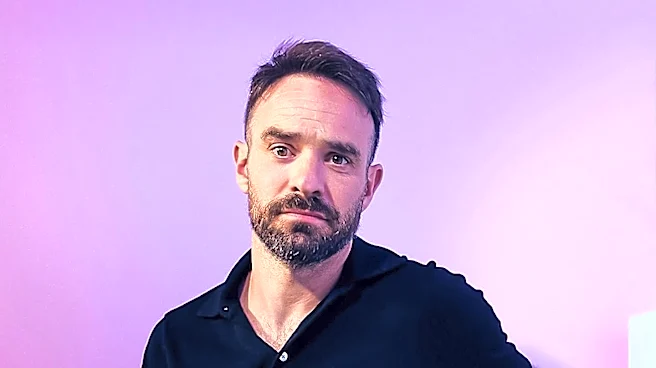
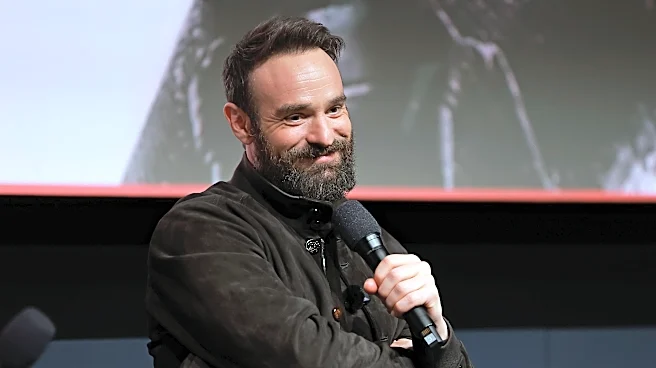
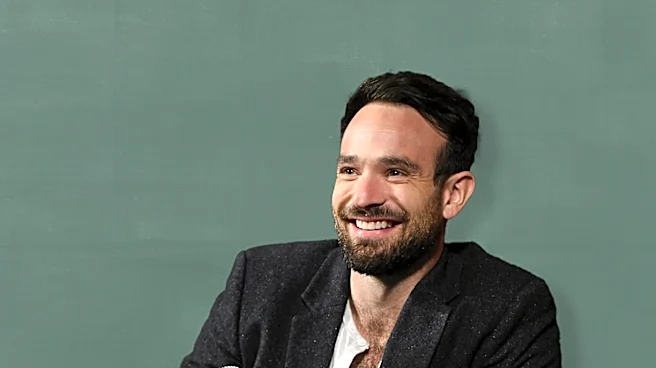
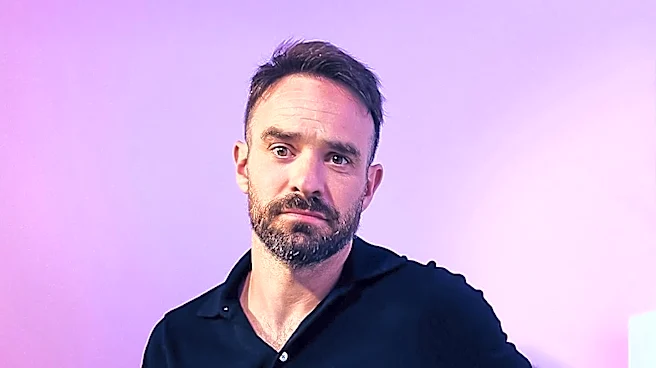
Actor Charlie Cox, known for his role as Daredevil in the Marvel Cinematic Universe, disclosed that he was informed he was 'too old' to audition for the role of James Bond. Cox, who will be 44 next month, shared this information during an interview with
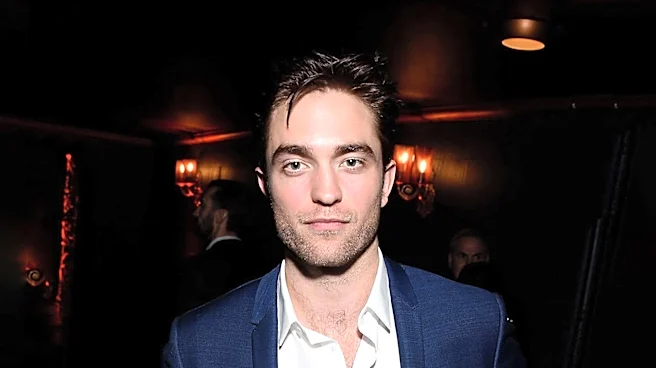
Chris Evans (the radio host) on Virgin Radio UK. He expressed surprise and a degree of frustration, noting that Robert Pattinson, who has been cast as the next 007, is only three years younger than him. Cox recounted asking to audition for the iconic spy role but was met with the age-related rejection. Despite his personal disappointment, Cox praised Pattinson's career trajectory and acknowledged his suitability for the role. Cox is set to return as Daredevil for a third and final season of 'Daredevil: Born Again' on Disney+ next year.
Why It's Important?
This revelation from Charlie Cox highlights the ageism that can exist within the entertainment industry, particularly for highly coveted roles like James Bond. The perception of what constitutes an 'ideal' age for such a character can significantly impact an actor's opportunities, even if they are in their early 40s. Cox's experience brings to light the often-unspoken criteria that casting directors and producers use, which may not always align with an actor's perceived capability or fan appeal. It also sparks a broader discussion about the longevity of actors' careers in leading roles and the industry's preference for younger talent in certain franchises. For fans, it offers a glimpse into the competitive and sometimes arbitrary nature of major casting decisions, potentially influencing future discussions about age diversity in Hollywood.
What's Next?
While Charlie Cox will not be the next James Bond, his comments may fuel ongoing discussions within the entertainment industry about age inclusivity and casting practices. The focus will now shift to Robert Pattinson's portrayal of James Bond, with filming details yet to be confirmed. Cox, meanwhile, will return to his established role as Daredevil, which will likely be a significant event for Marvel fans. His experience could also encourage other actors to speak out about similar age-related challenges they face in their careers. The broader conversation about age in Hollywood is likely to continue, especially as actors like Cox, who are still in their prime, encounter such barriers for high-profile roles. The industry may face increased scrutiny regarding its age preferences for leading characters in major franchises.
Beyond the Headlines
Charlie Cox's experience of being deemed 'too old' for James Bond at 43 touches upon deeper cultural and societal perceptions of age, particularly for men in roles associated with peak physical prowess and allure. The James Bond franchise, in particular, often projects an image of timeless masculinity, yet casting decisions can reflect a preference for actors who are perceived as being at a specific stage of their career or life. This incident raises questions about whether such age restrictions limit the diversity of interpretations for iconic characters and if they reflect broader societal biases against aging. Ethically, it prompts a discussion on fairness and opportunity in casting, while culturally, it highlights how media representations can reinforce or challenge ageist stereotypes. The long-term implication could be a push for more age-diverse casting in major film franchises, challenging traditional notions of what constitutes an 'ideal' age for a leading role.