



What's Happening?
PETA (People for the Ethical Treatment of Animals) is urging Dyson, the multinational technology company known for its high-end home products, to sever its business relationship with HKTVmall. HKTVmall is an online shopping platform in Hong Kong, owned
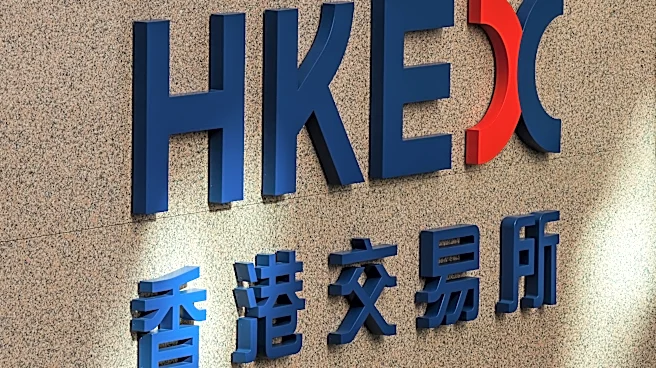
by Hong Kong Technology Venture Company Limited (HKTV). According to PETA, HKTV has conducted at least 38 animal experiments, involving the severing of heads and limbs of sheep and pigs, and keeping them alive for hours to study organ preservation. HKTV refers to this as its 'Life Science Project,' into which it has invested $5.7 million and plans to invest an additional $6.3 million annually. Dyson maintains a storefront on HKTVmall and pays commissions and hosting fees, which PETA alleges indirectly funds these animal experiments. PETA highlights that human-based research methods, such as using rejected donor organs or computational models, already exist for such studies, rendering animal dismemberment unnecessary and scientifically valueless.
Why It's Important?
This situation is important as it places a prominent global brand, Dyson, under scrutiny for its indirect association with controversial animal testing practices. For U.S. consumers, particularly those who prioritize ethical sourcing and animal welfare, this could influence purchasing decisions and brand perception. The pressure from PETA reflects a growing consumer demand for corporate accountability regarding ethical practices throughout their supply chains and partnerships. Companies like Dyson, which operate globally, face the challenge of navigating diverse regulatory and ethical landscapes. A failure to address these concerns could lead to reputational damage, boycotts, and a potential loss of market share among ethically conscious consumers in the U.S. and beyond. Conversely, a decisive action by Dyson to cut ties could set a precedent for other companies operating in similar markets, reinforcing the importance of ethical considerations in business partnerships.
What's Next?
PETA is actively calling on the public to take action and urge Dyson to reconsider its business ties with HKTVmall. The organization notes that a growing list of companies have already cut ties with the e-commerce giant due to similar concerns. Dyson will likely face increasing public and activist pressure to respond to these allegations and clarify its stance on animal testing. The company may need to conduct an internal review of its partnership with HKTVmall and potentially re-evaluate its vendor selection criteria to align with its stated values or public expectations regarding animal welfare. A decision to withdraw from HKTVmall could be announced, similar to actions taken by other companies, to mitigate reputational risks and demonstrate a commitment to ethical practices. Conversely, a lack of action could lead to sustained negative publicity and potential consumer backlash.
Beyond the Headlines
Beyond the immediate business implications, this case highlights the complex ethical challenges faced by multinational corporations operating in a globalized economy. The issue extends beyond direct involvement in animal testing to the indirect funding of such practices through business partnerships. It raises questions about corporate responsibility for the actions of their affiliates and partners, particularly when those actions conflict with widely accepted ethical standards in other markets. This incident could contribute to a broader movement advocating for greater transparency and accountability in global supply chains, pushing companies to scrutinize their entire network of relationships for ethical compliance. It also underscores the power of advocacy groups like PETA in influencing corporate behavior and shaping consumer expectations regarding ethical business conduct.