
What's Happening?
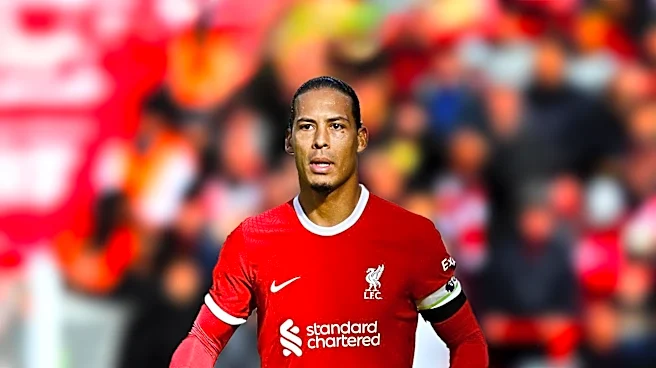
AC Milan is reportedly monitoring the contract situation of Liverpool defender Virgil van Dijk, whose current deal is nearing its end. The Italian club is interested in acquiring the Netherlands international
on a free transfer, a move contingent on him not extending his contract with Liverpool. Van Dijk has remained noncommittal about his future, stating, 'Let's see what the season brings. I've had an amazing time already so far. If that will be extended, that's the case. If not, then I will go somewhere else.' Milan's interest is driven by owner Gerry Cardinale and senior advisor Zlatan Ibrahimovic, who admire Van Dijk's leadership and technical quality. The connection between the clubs is further strengthened by Cardinale's RedBird Capital Partners, which holds a minority stake in Liverpool's parent company, Fenway Sports Group. Liverpool, meanwhile, is reportedly cautious about contract negotiations with senior players, aiming to avoid a situation similar to Mohamed Salah's, where a lucrative extension was followed by a decline in performance.
Why It's Important?
This development is significant for several reasons within the landscape of European football. For Liverpool, the potential departure of a key player like Virgil van Dijk, especially on a free transfer, would necessitate a substantial defensive restructuring. The club's reported cautious approach to contract extensions for senior players, influenced by past experiences, indicates a strategic shift towards managing player longevity and financial commitments. This could impact their ability to retain other high-value players in the future. For AC Milan, securing a player of Van Dijk's caliber without a transfer fee would be a major coup, significantly bolstering their defense and leadership on the field, particularly as they aim to compete at the highest levels of European football. However, Milan faces competition from wealthy clubs in Saudi Arabia and Turkey, which could offer more lucrative financial packages, potentially swaying Van Dijk's decision if he prioritizes a final substantial payday over continued competition at the elite European level.
What's Next?
The immediate future hinges on Virgil van Dijk's contract negotiations with Liverpool. No immediate resolution is expected, and his decision will likely be influenced by both Liverpool's offer and the interest from other clubs. If Van Dijk does not extend his contract, he will become one of the most high-profile free agents on the market, leading to a bidding war among interested parties. AC Milan's ability to secure him will depend on their financial offer and their continued success in securing Champions League qualification, which would appeal to a player seeking to compete at the highest level. Liverpool will continue to plan for a new defensive era, potentially accelerating their efforts to integrate younger talent and explore new defensive signings, especially with long-serving defender Joe Gomez also nearing the end of his contract. The outcome of these negotiations will have ripple effects on the transfer market and the competitive balance of top European leagues.
Beyond the Headlines
The situation surrounding Virgil van Dijk's contract highlights a broader trend in modern football where player age, salary demands, and club financial strategies intersect. Liverpool's reported desire to avoid 'another Mohamed Salah situation' reflects a growing awareness among top clubs of the risks associated with long-term, high-value contracts for aging stars whose performance may decline. This cautious approach could signal a shift in how clubs manage their veteran players, prioritizing squad evolution and financial sustainability over sentimental loyalty. For players like Van Dijk, the decision involves balancing the desire for a final lucrative contract with the ambition to continue competing at the highest level. The involvement of investment firms like RedBird Capital Partners, with stakes in multiple clubs, also points to the increasing financial interconnectedness of global football, where strategic player movements can be influenced by broader corporate interests and affiliations.