



What's Happening?
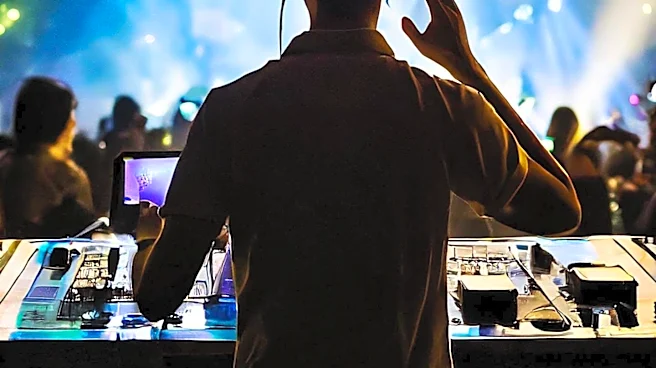
The early 2010s saw a significant rise in Electronic Dance Music (EDM), with tracks from artists like Krewella, Avicii, Swedish House Mafia, Zedd, Martin Garrix, Skrillex, and DJ Snake becoming anthems for a generation. These songs, characterized by soaring
vocals, progressive house melodies, aggressive dubstep production, and big-room drops, fostered a unique cultural experience for young listeners. Artists like Krewella balanced rebellious energy with vulnerability, while Avicii's music brought a sense of hope. The era also introduced heavier electronic sounds through artists like Skrillex, Flux Pavilion, and Nero. By 2016, EDM had deeply integrated into mainstream culture, exemplified by The Chainsmokers' 'Closer,' which captured the complex emotions of growing up and relationships. This period was marked by a collective excitement for discovering new music, dancing, and forming connections, often through platforms like YouTube and SoundCloud.
Why It's Important?
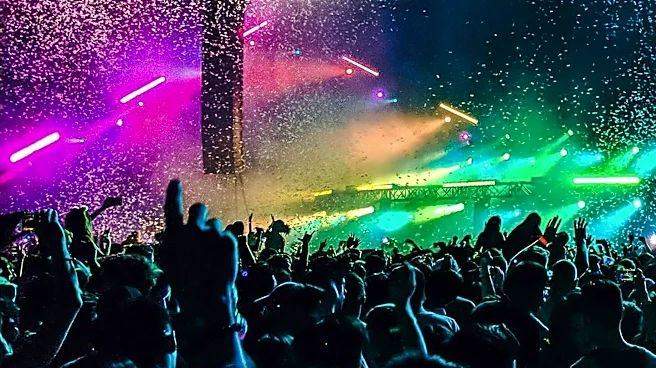
This period of EDM's growth is important because it profoundly influenced mainstream music and youth culture in the U.S. and globally. The genre provided a soundtrack for a generation navigating adolescence and early adulthood, offering an emotional outlet and a sense of community. The widespread popularity of these tracks, from festival stages to college apartments and car stereos, demonstrated EDM's ability to transcend niche audiences and become a significant cultural force. The accessibility of music through digital platforms like YouTube and SoundCloud democratized discovery, allowing a broader audience to engage with electronic music. This era also laid the groundwork for future musical trends, inspiring new artists and contributing to the evolution of production techniques and subgenres within electronic music. The emotional and communal experiences fostered by these tracks continue to resonate, highlighting the lasting impact of this musical movement.
What's Next?
The legacy of early 2010s EDM continues to influence contemporary music production and festival culture. While the genre has evolved with more intricate production and numerous subgenres, the foundational elements and emotional impact of these early anthems remain relevant. Future developments may include continued innovation in electronic music, potentially drawing inspiration from the melodic and energetic styles that defined this period. The artists who emerged from this era may continue to tour, release new music, or influence upcoming generations of producers and DJs. The communal aspect of EDM, fostered during this time, is likely to persist in festival and club environments, adapting to new technologies and social trends while retaining its core appeal of shared musical experiences.
Beyond the Headlines
Beyond its immediate musical impact, the rise of early 2010s EDM reflects broader shifts in youth culture and technology. The reliance on platforms like YouTube and SoundCloud for music discovery highlights the increasing role of digital media in shaping cultural tastes and trends. This era also fostered a unique sense of community and emotional release, providing a space for self-expression and connection among young people. The innocence and uncritical enthusiasm with which this generation embraced EDM suggest a cultural moment less concerned with genre purity or mainstream acceptance and more focused on shared experiences. This period also underscores the power of music to create lasting memories and emotional connections, demonstrating how specific songs can become deeply intertwined with personal and collective coming-of-age narratives.