



What's Happening?
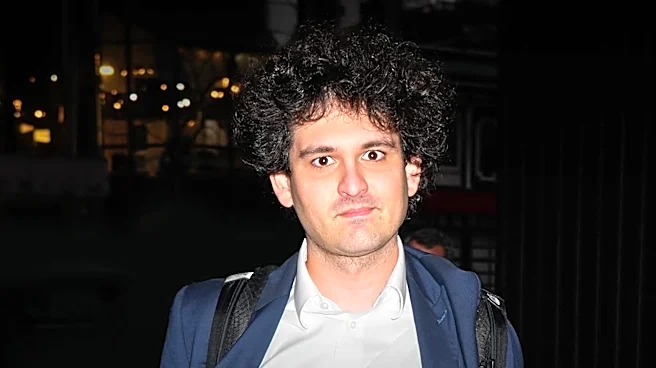
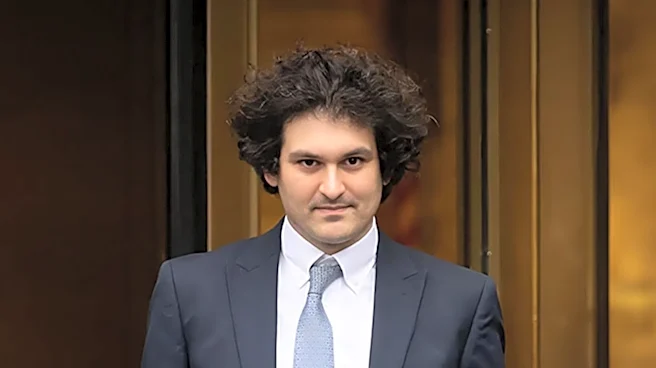
Convicted cryptocurrency fraudster Sam Bankman-Fried, currently serving a 25-year prison sentence for orchestrating a massive financial fraud, maintains his innocence and discusses his experience with anhedonia in an exclusive clip from Prime Video’s
upcoming three-part docuseries, 'The Boy Who Stole Billions?'. Anhedonia is a condition characterized by an inability to experience pleasure. This admission comes despite his conviction for stealing billions in customer funds from FTX, his cryptocurrency empire that collapsed in 2022. His attorneys previously raised the condition during his 2024 sentencing, arguing he was diagnosed with anhedonic depression in college and that his motivations differed from a conventional financial criminal. The documentary, directed by Nanette Burstein, features unprecedented prison interviews with Bankman-Fried, exploring his inner circle, FTX's financial decisions, and his relationship with former girlfriend Caroline Ellison, who testified against him.
Why It's Important?
Bankman-Fried's continued denial of wrongdoing and his discussion of anhedonia are significant as they offer a glimpse into his self-perception and potential attempts to shape public understanding of his actions. While anhedonia is a recognized symptom of mental health conditions, its relevance to explaining financial misconduct and dishonesty is a point of contention. This narrative could influence public opinion regarding his culpability and the nature of his crimes, potentially impacting how similar cases of high-profile financial fraud are perceived. The docuseries provides a platform for Bankman-Fried to present his version of events, which could either offer genuine insight into his psychology or serve as an attempt to rehabilitate his image, raising questions about the distinction between understanding psychological conditions and excusing criminal behavior.
What's Next?
The release of Prime Video’s docuseries, 'The Boy Who Stole Billions?', will bring Bankman-Fried's perspective to a wider audience, potentially sparking renewed public debate about his case and the broader implications of the FTX collapse. While a federal appeals court upheld his conviction and 25-year sentence in June 2026, his continued insistence on innocence suggests he may pursue further legal avenues, though the immediate impact of the documentary is likely to be on public discourse rather than legal outcomes. The series will also contribute to the growing body of media content surrounding the FTX scandal, offering another interpretation of the events that led to one of the largest financial frauds in American history.
Beyond the Headlines
The focus on Bankman-Fried's anhedonia raises deeper questions about the intersection of mental health, personal responsibility, and criminal behavior in high-stakes financial environments. It highlights the challenge of distinguishing between psychological conditions and deliberate actions, particularly when billions of dollars and public trust are at stake. The case also draws parallels with other disgraced figures who have attempted to reframe their narratives post-conviction, prompting reflection on how society processes and understands complex financial crimes. The documentary's direct access to Bankman-Fried could influence public perception of accountability and the role of individual psychology in corporate malfeasance, potentially shaping future discussions on white-collar crime and its underlying motivations.