




What's Happening?
Carlie Irsay-Gordon, the primary owner of the Indianapolis Colts, has begun a significant rebuilding effort for the team in her second season at the helm. This initiative follows the firing of General Manager Chris Ballard last week. On Tuesday, Assistant
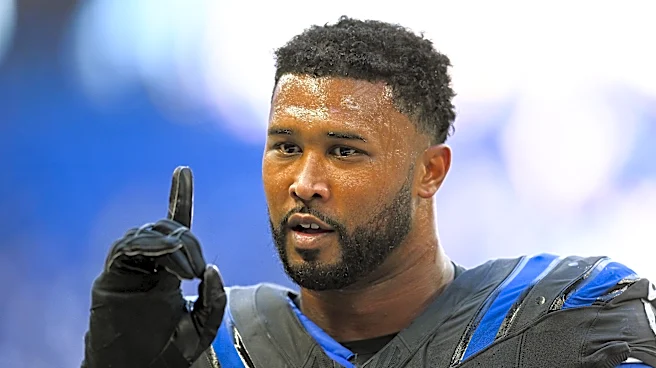
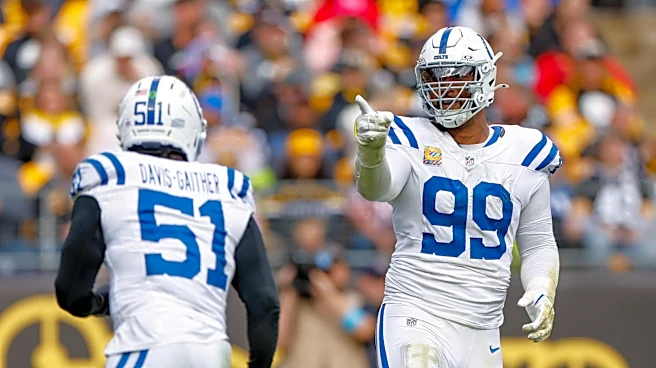
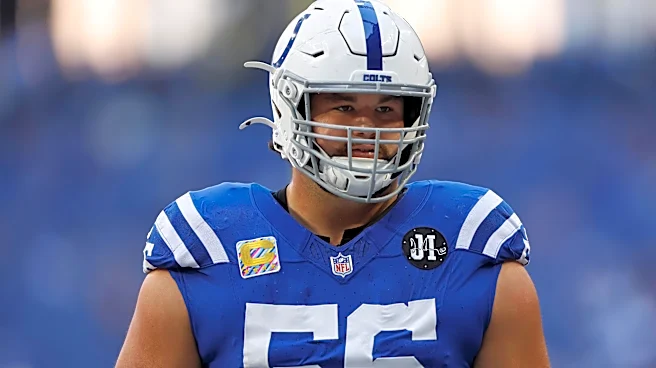
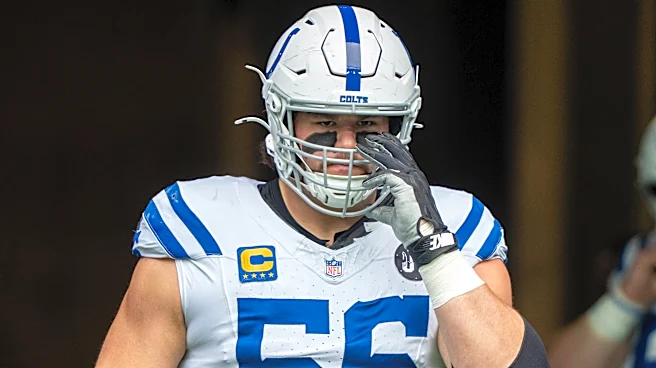
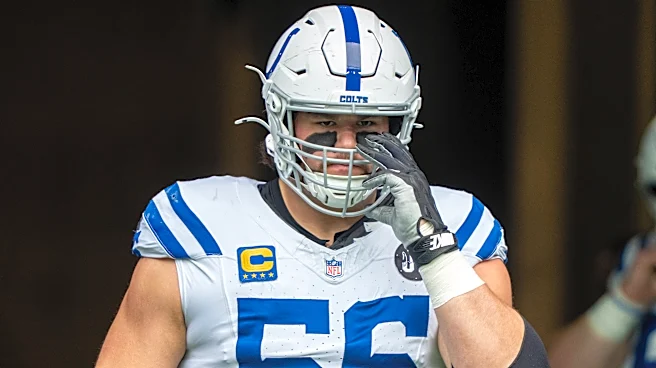
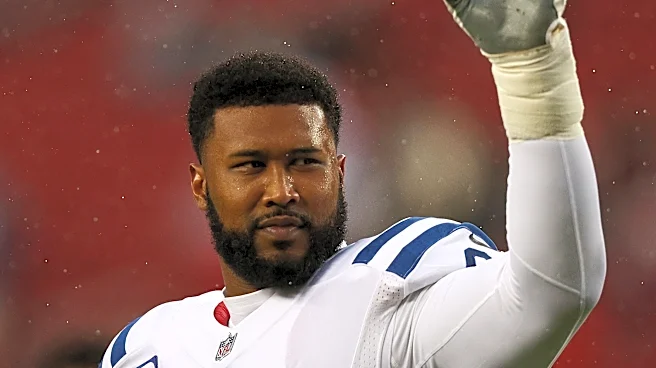
GM Ed Dodds, now leading the front office, executed trades involving prominent veteran players. The Colts sent eight-time Pro Bowl guard Quenton Nelson to the Seahawks and three-time Pro Bowl defensive tackle DeForest Buckner to the 49ers. These moves, occurring two weeks before the NFL trade deadline, aim to shed portions of veteran salaries and acquire draft picks to retool the roster. Nelson's trade saves the Colts approximately $9.78 million in cash and salary cap space, while Buckner's trade involves a $13 million salary for the current season, with conflicting reports on whether the Colts will pay part of the remaining $7.94 million.
Why It's Important?
This series of high-profile trades signals a clear and aggressive shift in the Indianapolis Colts' organizational strategy under Carlie Irsay-Gordon's leadership. The 'fire sale' approach, as described by ESPN analyst Jeff Saturday, indicates a departure from previous team-building philosophies and a commitment to a comprehensive rebuild. By trading established Pro Bowl players, the Colts are prioritizing future draft capital and salary cap flexibility over immediate competitive aspirations. This strategy has significant implications for the team's on-field performance in the short term, likely leading to a period of struggle as new talent is integrated. However, it also offers the potential for long-term success if the acquired draft picks are utilized effectively. The moves also highlight the increasing trend of NFL teams being willing to make significant trades during the season, reflecting a more dynamic approach to roster management in the modern league.
What's Next?
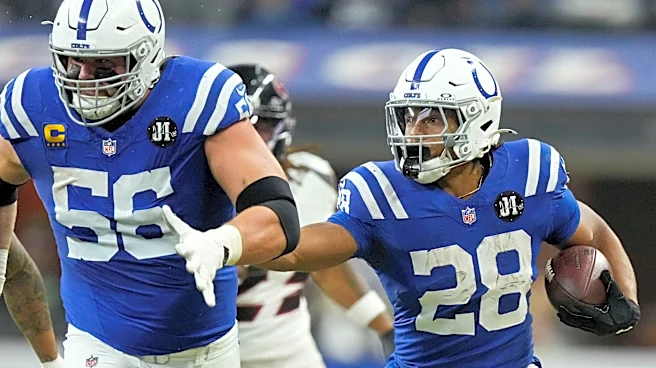
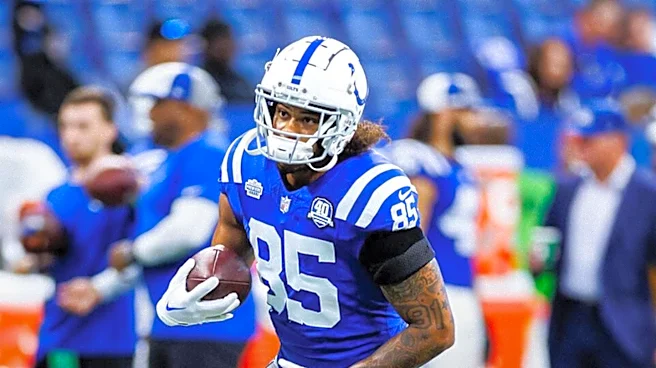
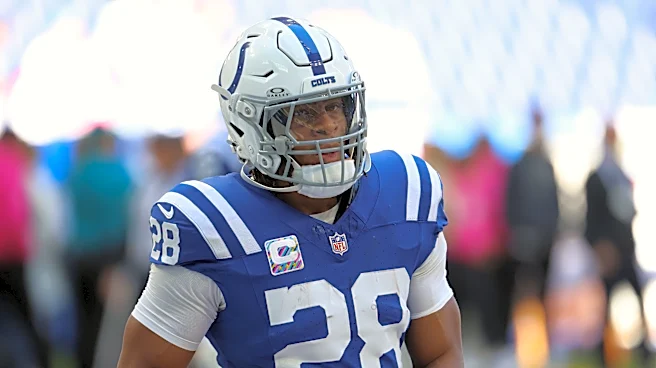
The Indianapolis Colts are expected to continue their rebuilding efforts, with potential further trades involving players like Jonathan Taylor, Josh Downs, and Grover Stewart before the NFL trade deadline on November 10. The team will focus on evaluating and developing the talent acquired through draft picks and future free agency periods. The performance of Assistant GM Ed Dodds in his interim role will be closely watched, as will the long-term implications of these trades on the team's competitive standing. Carlie Irsay-Gordon's leadership will remain under scrutiny as she navigates this transitional phase, with fans and analysts observing how her decisions shape the Colts' future. The success of this rebuilding strategy will ultimately be measured by the team's ability to return to contention in the coming seasons.
Beyond the Headlines
Carlie Irsay-Gordon's decisive actions, including firing the general manager and initiating a 'fire sale,' underscore the immense pressure and high stakes involved in professional sports ownership. Her willingness to make unpopular but potentially necessary decisions for the long-term health of the franchise reflects a modern approach to sports management, where strategic rebuilding is often favored over maintaining a mediocre status quo. This situation also highlights the evolving role of women in sports ownership and leadership, as Irsay-Gordon steps into a prominent position previously held by her father. Her public visibility and habit of taking notes on the sideline suggest a hands-on approach, which could be interpreted as either a sign of dedication or a source of increased scrutiny. The ethical considerations of trading beloved veteran players, and the impact on team morale and fan loyalty, are also significant aspects of this rebuilding process.