


What's Happening?
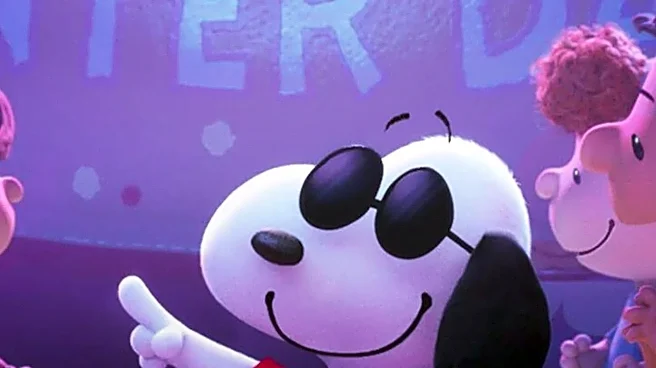
Todd Barbee, the voice actor who portrayed Charlie Brown in the 1973 TV movie 'A Charlie Brown Thanksgiving,' recently disclosed that he did not receive any residuals for his work for nearly five decades. Barbee, now 63, shared this information during
an October 4 appearance on the Nostalgia Tonight podcast with Joe Sibilia. He stated that his first residual payment arrived approximately six years ago, coinciding with Apple's acquisition of the rights to the classic Peanuts library in 2020. Prior to this, despite the annual airing of the holiday special since its debut on CBS, Barbee had not seen any ongoing payments. He noted that his original payment for the 1973 film was substantial at the time, enough to help his mother purchase her home. Barbee also voiced Charlie Brown in four other TV specials and four episodes of the Peanuts TV series before leaving show business after outgrowing the role.
Why It's Important?
This situation highlights a significant issue within the entertainment industry regarding compensation for voice actors and other creatives involved in long-running productions. The lack of residual payments for nearly 50 years for a widely broadcast and beloved holiday special like 'A Charlie Brown Thanksgiving' underscores potential inequities in older contracts and the evolving landscape of media distribution. The fact that payments only began after a major tech company, Apple, acquired the rights suggests that new ownership or updated distribution models can sometimes trigger overdue compensation. This case could draw attention to the need for re-evaluating historical agreements and ensuring fair compensation for artists whose work continues to generate revenue for decades, especially as content libraries are acquired and monetized by new platforms. It also sheds light on the financial realities faced by many actors, particularly those in voice roles, who may not benefit from the long-term success of their projects without specific contractual provisions.
What's Next?
While Barbee now receives annual residual checks, the broader implications of his experience could lead to increased scrutiny of legacy contracts in the entertainment industry. Voice actors and their unions may leverage such cases to advocate for more robust residual structures in future agreements, particularly as streaming services continue to dominate content distribution. This could prompt discussions within industry guilds about how to retroactively address situations where artists have not been adequately compensated for enduring works. Furthermore, as more classic content libraries change hands, new owners might face pressure to review and update payment structures for original creators. This could set a precedent for how intellectual property acquisitions impact the financial well-being of the talent involved in the original productions, potentially leading to more equitable compensation models across the industry.
Beyond the Headlines
Barbee's story extends beyond mere financial compensation, touching upon the cultural value and enduring legacy of classic animated specials. 'A Charlie Brown Thanksgiving' is a staple of American holiday traditions, and the revelation that a key contributor was not compensated for its continuous success for so long raises questions about the ethical responsibilities of content owners. It also highlights the often-unseen financial struggles of individuals behind iconic cultural touchstones. This situation could spark a broader conversation about the valuation of artistic contributions over time, especially in an era where digital platforms can endlessly re-monetize content. It underscores the power dynamics between creators and large media corporations, and how contractual agreements from decades past may not adequately protect artists in the modern media landscape, prompting a re-evaluation of fairness and equity in the arts.