






What's Happening?
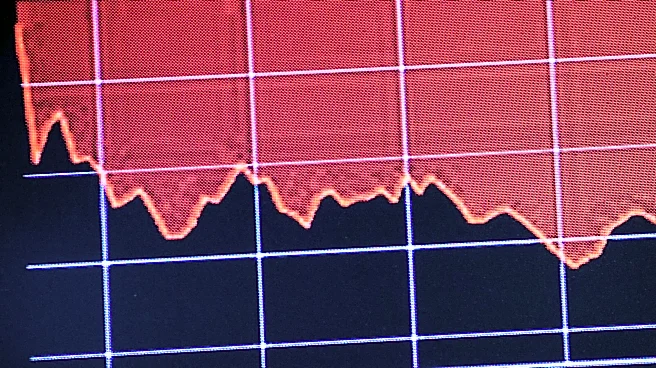
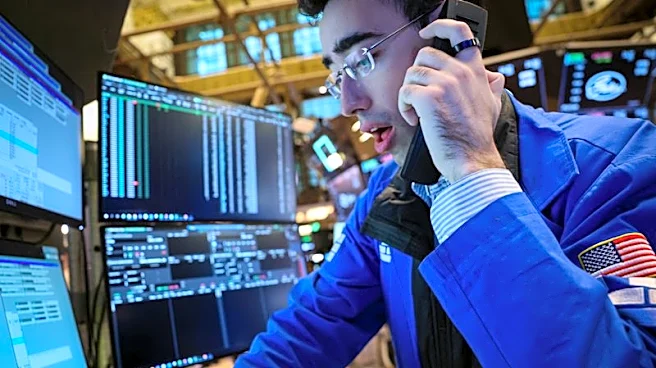
The initial public offering (IPO) of Anthropic did not alleviate market anxieties surrounding the artificial intelligence (AI) sector, leading to significant declines in major tech stocks. Nvidia shares have dropped 42% over the past four weeks, exacerbated
by CEO Jensen Huang's departure. AMD has seen a 20% decrease, and Micron has fallen over 33% in the last month, now 50% below its June peak. These downturns are attributed to concerns about stricter data center regulations, export restrictions on chips to China, and broader financing uncertainties. Despite the market's initial reaction, some strategists, like Matt Orton of Raymond James Investment Management, view Anthropic's debut as a positive step, offering more transparency into AI developers. Orton suggests that the market may eventually stabilize, recognizing the value in currently undervalued companies. He also distinguishes the current situation from the 2000 dot-com bubble, noting that startups are now securing private financing for longer periods.
Why It's Important?
The performance of the AI sector and related tech stocks has significant implications for the broader U.S. economy and investment landscape. The substantial drops in major chip manufacturers like Nvidia, AMD, and Micron signal investor caution and potential shifts in capital allocation. This market volatility could impact venture capital funding for AI startups and influence corporate investment strategies in AI development. The concerns over data center regulations and chip export restrictions highlight the growing geopolitical and regulatory pressures on the technology industry, which could affect supply chains and market access for U.S. tech companies. If the market continues to be unstable, it could lead to a more conservative investment environment, potentially slowing innovation in the AI space. Conversely, if the market stabilizes as some strategists predict, it could present buying opportunities for investors looking for long-term growth in high-quality AI-related firms.
What's Next?
Market analysts will closely monitor the stability of AI-related stocks in the coming weeks. Nomura's Charlie McElligott is watching for whether computer-driven, volatility-targeted funds will step in to buy, which would indicate if the recent sell-off is a temporary dip or a more significant investor exodus. If the equities market fails to stabilize early next week, it could suggest deeper structural issues at play. UBS strategists, while expecting the S&P 500 to reach new highs, have downgraded U.S. equities from 'Attractive' to 'Neutral,' advising investors to reduce tech concentration and consider intermediate-duration bonds for better yields and portfolio protection. The ongoing debate around data center regulations and chip export policies will also continue to influence investor sentiment and the operational environment for tech companies.
Beyond the Headlines
The current market jitters in the AI sector may reflect a broader re-evaluation of the long-term sustainability and profitability of AI investments. Beyond immediate stock price movements, this period could lead to a more discerning approach from investors, prioritizing companies with clear revenue models and robust governance over speculative growth. The increased scrutiny on chip exports and data regulations also underscores a growing trend towards national security and economic sovereignty influencing technological development. This could foster a more localized or regionalized tech ecosystem, potentially altering global supply chains and international collaborations in AI. The distinction drawn between the current situation and the dot-com bubble suggests a maturing tech investment landscape, where private funding plays a more significant role in nurturing startups before public offerings, potentially leading to more resilient companies entering the market.