





What's Happening?
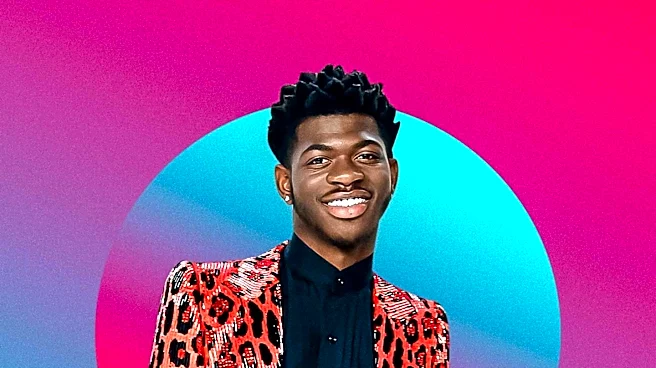
Lil Nas X has significantly integrated tech culture and digital economy principles into his artistic brand and career trajectory. His approach to music and public persona has been likened to that of Elon Musk, characterized by innovation and forward-thinking
strategies. This 'Lil X Musk' phenomenon originated from playful tweets in late 2020 and early 2021, where both figures were trending for different reasons. Lil Nas X was experiencing global success with 'Montero (Call Me by Your Name),' while Elon Musk was frequently in the news for his fluctuating positions on Bitcoin and Dogecoin. The overlap began with ironic fan edits and speculative tweets exploring a potential collision between the two. Lil Nas X subsequently adopted the aesthetic and language of tech culture, with his tweets resembling product launches using terms like 'beta testing' and 'update.' His music videos featured futuristic visuals, and he cultivated a persona that combined artist and entrepreneur. His public support for Dogecoin further solidified his image as a participant in the digital economy, not just a musician.
Why It's Important?
The integration of tech culture and digital economy into Lil Nas X's branding signifies a shift in how artists build and manage their careers in the digital age. This model emphasizes fluency in meme culture, crypto economics, and platform-specific dynamics, moving beyond traditional gatekeepers like record labels. The success of artists like Lil Nas X demonstrates that a global career can be forged without conventional industry structures, but it also highlights the volatility of internet fame. A single trending hashtag or a high-profile feud can significantly impact an artist's career. The 'Lil X Musk' narrative exposed the thin line between performance and reality, raising questions about authenticity and influence when an artist's brand is intertwined with a tech celebrity. This phenomenon underscores the growing importance of celebrity-tech partnerships, offering artists unprecedented visibility and commercial opportunities, while providing tech figures a way to appear more relatable and in touch with digital-native audiences.
What's Next?
The long-term impact of the 'Lil X Musk' phenomenon continues to influence how artists approach branding. The new model demands artists be adept at navigating meme culture, crypto economics, and platform-specific drama. While Lil Nas X has moved towards more introspective work and Elon Musk has focused on ventures in AI, space, and politics, their collaboration remains a cultural touchstone. This brief but intense period dissolved boundaries between art, technology, and celebrity, creating a blueprint for how fame is constructed, consumed, and dismantled in the digital era. Artists are likely to continue exploring similar strategies, leveraging digital platforms and tech-related aesthetics to connect with audiences and build their brands, while also facing the inherent risks of internet volatility and public scrutiny.
Beyond the Headlines
The 'Lil X Musk' saga delves into deeper implications concerning the nature of celebrity, authenticity, and the commercialization of art in the digital age. It highlights how the internet has become a primary arena for constructing and consuming fame, where algorithms dictate visibility and public figures' opinions can sway markets. The ethical dimension arises from the blurring lines between artistic expression and commercial aspiration, prompting questions about whether artists are selling music or a lifestyle when their brand is built on high-profile tech associations. This cultural shift also reflects society's fascination with power, reinvention, and the spectacle created when different economies of attention converge. The phenomenon serves as a mirror reflecting how individuals, particularly artists, navigate a system where they can become 'the product,' subject to constant updates, rebrands, or even being 'taken offline' by public sentiment.