





What's Happening?
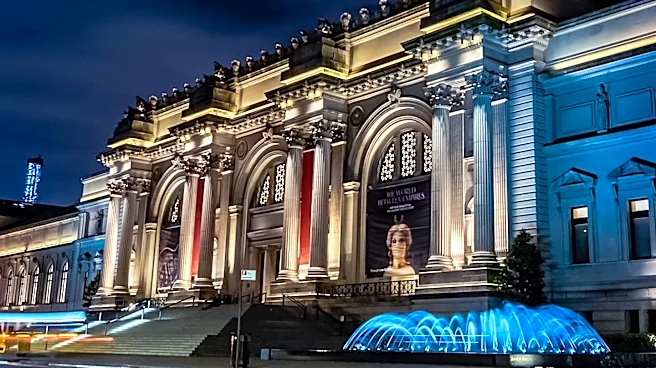
The Metropolitan Museum of Art has revealed a new theme for the 2027 Met Gala and its accompanying Costume Institute exhibition, titled “extraORDINARY: Fashion and the Poetics of the Everyday.” This decision follows the cancellation of the previously
planned exhibit centered on British designer John Galliano, which was to be called “John Galliano: Horizons.” The new theme will focus on everyday garments such as jeans, T-shirts, raincoats, and puffer jackets, exploring how designers have reinterpreted these items for high fashion and utilized unconventional materials like paper, aluminum, and plastic. The change comes after significant criticism regarding Galliano's past antisemitic and racist comments made in 2010 and 2011, which led to his dismissal as Dior’s creative director. Andrew Bolton, the curator in charge, stated that it was crucial to develop a theme with contemporary relevance that was not merely a substitute for the original plan.
Why It's Important?
This shift in the Met Gala's theme highlights the increasing scrutiny and accountability faced by cultural institutions and public figures regarding past controversies. The decision to cancel the Galliano exhibit, despite his claims of sobriety and remorse, underscores the lasting impact of discriminatory remarks and the public's expectation for institutions to uphold ethical standards. For the fashion industry, it signals a move towards themes that are perhaps less controversial and more inclusive, focusing on the artistic transformation of accessible clothing. This could influence future exhibition choices and collaborations, encouraging a greater emphasis on social responsibility and broader appeal. The event's pivot also demonstrates the power of public opinion and media pressure in shaping major cultural events, potentially leading to more cautious selections for high-profile showcases.
What's Next?
The 2027 Met Gala will proceed with its new theme, “extraORDINARY: Fashion and the Poetics of the Everyday,” inviting attendees to interpret elevated everyday attire. The exhibition will open to the public, showcasing how designers have innovated with common garments. This change may prompt other cultural institutions to re-evaluate their partnerships and themes, particularly those involving individuals with controversial pasts. The fashion world will likely observe how this new, less celebrity-centric theme is received by critics and the public, potentially influencing future trends in museum exhibitions and high-profile fashion events. The incident also serves as a reminder for public figures and brands about the enduring consequences of their actions and statements.
Beyond the Headlines
The controversy surrounding the John Galliano exhibit and its subsequent cancellation reflects a broader societal conversation about cancel culture, redemption, and the role of art and fashion in addressing historical injustices. While Galliano has expressed remorse and attributed his past comments to addiction, the Metropolitan Museum of Art's decision indicates that such apologies may not always be sufficient to overcome public backlash, especially when the comments involve deeply sensitive issues like antisemitism and racism. This event raises questions about the criteria for honoring artists and designers, particularly when their personal histories conflict with contemporary ethical standards. It also highlights the tension between artistic freedom and social responsibility, suggesting a growing demand for cultural institutions to align with progressive values and ensure their platforms do not inadvertently endorse problematic behaviors or ideologies.