






What's Happening?
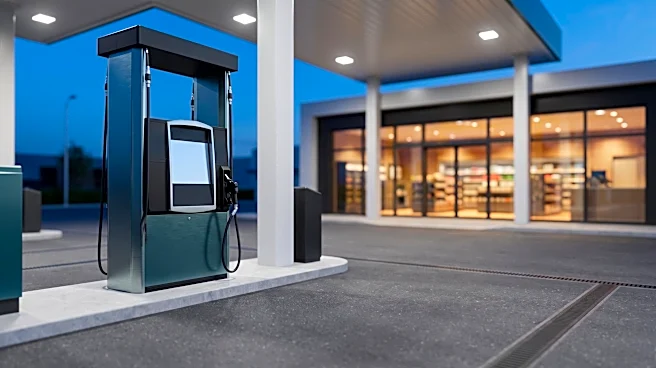
Retail media is experiencing significant growth within the convenience store sector, with a focus on leveraging 'attentive moments' consumers experience, particularly at the fuel pump. According to GSTV President and CEO Eric Kozik, retailers are increasingly
recognizing the value of these moments to engage customers and drive in-store purchases. The industry is working to enhance network growth, upgrade technology for targeted messaging, and offer more flexible partnership models to retailers. The goal is to transform the fuel and convenience channel, where many purchase journeys begin, into a more comprehensive shopping experience that extends beyond just a fuel transaction. Convenience stores are evolving into destinations offering fresh food, new products, and emerging brands, with consumer routines providing valuable data for retailers to optimize engagement. Research by GSTV indicates that 80% of its viewers plan or consider road trips, and 73% of road trippers stop at gas stations and convenience stores for snacks or breaks. Furthermore, 96% of viewers who saw an ad at the gas station recognized, considered, researched, or purchased the advertised brand.
Why It's Important?
This trend is important for the U.S. retail industry as it signifies a strategic shift in how convenience stores and fuel stations are perceived and utilized by both consumers and advertisers. By capitalizing on the captive audience at the pump, retailers can significantly increase in-store traffic and sales, moving beyond the traditional 'fuel-only' transaction. This approach creates new revenue streams for convenience stores through retail media partnerships, allowing them to monetize their physical space and customer data more effectively. For brands, especially CPG companies, it offers a highly targeted advertising channel to reach consumers at a critical point in their purchase journey, influencing decisions just before they enter the store. The emphasis on data-driven insights into consumer behavior, such as road trip habits and Gen Z preferences, allows for more personalized and effective marketing campaigns, potentially leading to higher conversion rates and brand recognition. This evolution could redefine the role of convenience stores in the broader retail landscape, making them more competitive with larger retail formats by offering a more integrated and engaging shopping experience.
What's Next?
Looking ahead to 2027, the focus for retailers will be on demonstrating measurable outcomes from their retail media investments. Brands are under increasing pressure to prove the effectiveness of their media spending, and retailers who can share data to show what their forecourt media delivers will attract more advertising budgets. This will necessitate closer collaboration between retailers and media partners to connect initial messages at the pump with subsequent in-store offers, loyalty app engagements, and promotions at the register, creating a cohesive customer journey. The industry is also expected to see continued technological advancements in screen technology and programmatic partnerships to make it easier for CPG brands to engage with customers. Furthermore, retailers will likely pay more attention to younger shoppers, particularly Gen Z, who frequently visit convenience stores and are highly receptive to gas station video advertising. Tailoring experiences and product offerings to this demographic, and providing compelling reasons to enter the store after fueling, will be a key strategy for future growth.
Beyond the Headlines
The rise of retail media in convenience stores highlights a broader trend of blurring lines between physical retail spaces and digital advertising platforms. This development transforms traditionally utilitarian spaces, like gas station forecourts, into dynamic media environments. It raises questions about consumer privacy and the ethical implications of data collection and targeted advertising in these 'attentive moments.' As retailers gather more data on consumer routines and preferences, the potential for highly personalized, almost predictive, marketing increases, which could lead to both greater convenience for shoppers and concerns about manipulation. The shift also underscores the increasing value of 'real-world' media touchpoints in an increasingly digital advertising landscape, suggesting that physical locations can offer unique, less fragmented attention from consumers compared to crowded online spaces. This could lead to innovative partnerships and business models that integrate location-based services, mobile technology, and in-store experiences to create a seamless and highly effective retail ecosystem.