





What's Happening?
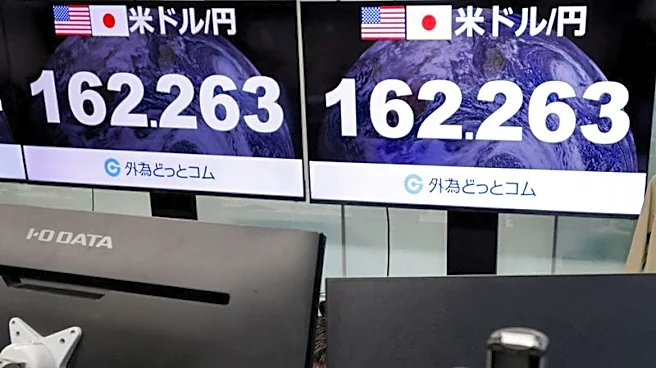
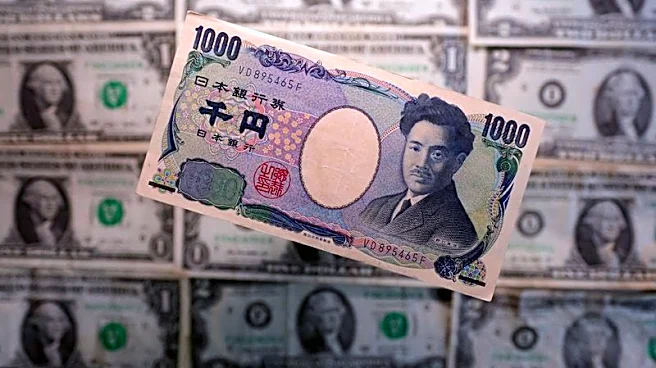
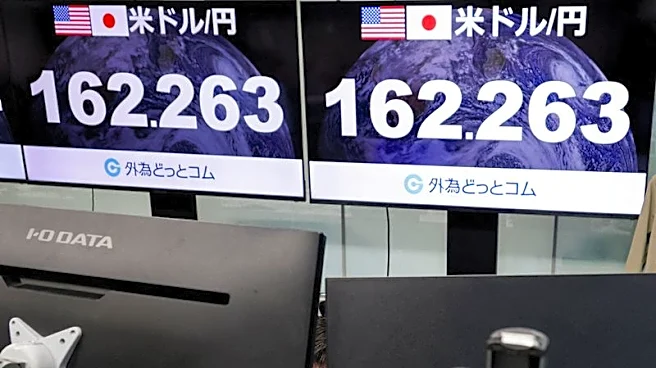
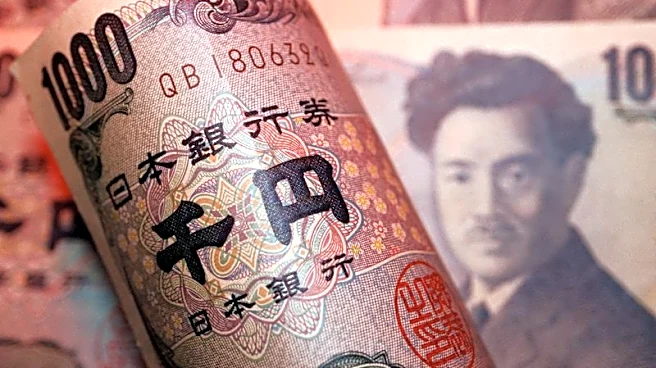
Japanese Finance Minister Satsuki Katayama is set to announce a joint intervention with the United States to stabilize the yen, which has reached 40-year lows against the dollar. This marks the first coordinated currency intervention between the two nations
since 2011. The intervention involves yen-buying and dollar-selling operations, aimed at countering the yen's excessive decline. The move comes as the Bank of Japan signals potential interest rate hikes, which could narrow the yield gap between Japanese and U.S. assets.
Why It's Important?
The intervention is significant as it reflects the commitment of both Japan and the U.S. to stabilize currency markets and prevent further economic disruption. A stronger yen could impact Japanese exporters by reducing the domestic value of overseas earnings, but it could also lower import costs and ease inflationary pressures. The intervention may also influence global currency markets and investor strategies, particularly those holding large short-yen positions.
What's Next?
Market participants will be closely monitoring the effectiveness of the intervention and any further actions by the Bank of Japan or the U.S. Treasury. Continued intervention could lead to increased volatility in the USD/JPY exchange rate and impact global financial markets. The situation remains dynamic, with potential implications for international trade and economic policy.