


What's Happening?
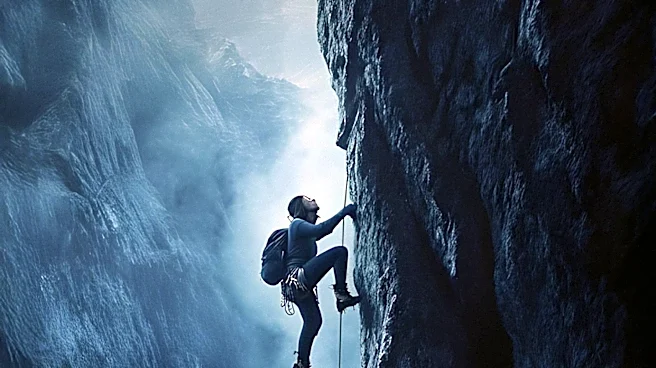
A collection of new and classic climbing films highlights significant achievements and attempts in the climbing world, including challenging ascents in Yosemite and remote alpine objectives. One notable film features Tyler Karow and Tommy Caldwell's 14-hour
car-to-car ascent of Quarter Dome in Yosemite, a route Karow described as a "good objective for our collective skill set." Despite Karow feeling out of shape and bringing the wrong size climbing shoes, Caldwell led multiple pitches, including a 5.12 crux, enabling a successful climb. Other films showcase Jakob Schubert's livestreamed attempts on DNA 5.15d, Shauna Coxsey projecting Hazel Grace Sit V15, and Louis Parkinson competing in a DWS event. The collection also includes Caleb Robinson's V12 boulder problem in Squamish, Oliver Tippett's solo attempt on "Every Man for Himself" on El Cap, and Teresa Coimbra and Will Bosi's trip to Flatanger, Norway, for the Silence 9c route. Additionally, a film features Hannah Morris bouldering with legendary climber Lynn Hill, and another highlights Matthew Mendes's exceptionally strong fingers.
Why It's Important?
These climbing films are important for the U.S. and global climbing community as they document the cutting edge of the sport, showcasing both the physical and mental demands of high-level climbing. The inclusion of Yosemite, a globally recognized climbing destination, highlights its continued significance as a proving ground for elite climbers. The films inspire aspiring climbers, demonstrate innovative techniques, and contribute to the sport's cultural narrative. They also serve as a platform for athletes to share their experiences, challenges, and triumphs, fostering a sense of community and pushing the boundaries of what is considered possible in climbing. The documentation of these feats, from 5.15d attempts to remote alpine ascents, provides valuable insights into training methodologies, risk assessment, and the evolving nature of climbing as a sport and an adventure pursuit. The content also underscores the growing trend of professional climbers leveraging digital media to connect with a wider audience, thereby expanding the sport's reach and commercial viability.
What's Next?
The release of these climbing films is likely to generate further discussion and inspiration within the climbing community. Climbers will continue to analyze the techniques and strategies employed in these challenging ascents, potentially influencing future training regimens and route development. The documented attempts on routes like DNA 5.15d and Silence 9c will keep the focus on the progression of sport climbing and bouldering difficulty. For Yosemite, the films reinforce its status as a premier climbing destination, potentially attracting more climbers to attempt similar routes. The exposure gained by athletes like Jakob Schubert, Shauna Coxsey, and Tommy Caldwell through these films will likely enhance their profiles and potentially lead to new sponsorships or media opportunities. The ongoing documentation of climbing achievements through film will continue to serve as a historical record of the sport's evolution and a source of motivation for future generations of climbers.
Beyond the Headlines
Beyond the immediate excitement of these climbing achievements, the films touch upon deeper themes relevant to human endeavor and interaction with nature. The narratives often highlight the intense personal dedication, resilience, and problem-solving skills required to overcome extreme physical and mental challenges. The collaborative efforts, such as Tyler Karow and Tommy Caldwell's partnership, underscore the importance of teamwork and mentorship in high-stakes environments. Furthermore, the documentation of these climbs contributes to the broader conversation about conservation and responsible outdoor recreation, particularly in iconic locations like Yosemite. The films also reflect the increasing professionalization of climbing, with athletes meticulously training and strategizing for specific routes, blurring the lines between sport and extreme adventure. The use of livestreaming and digital media to share these experiences in real-time or near real-time signifies a shift in how extreme sports are consumed and how athletes engage with their audience, making these remote and challenging feats more accessible to a global viewership.