




What's Happening?
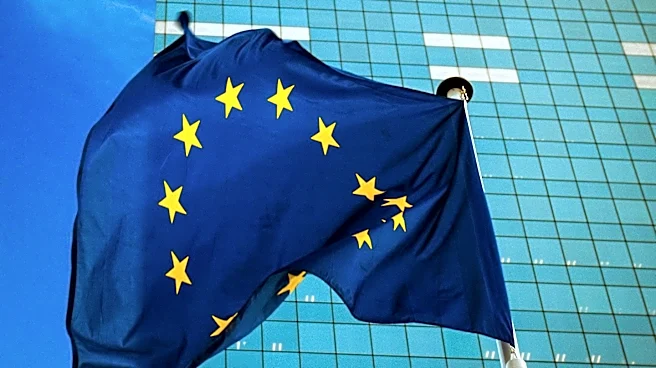
A recent survey conducted by OPRL Packaging Recyclability & Recycling Labels UK (OPRL) reveals that only 28% of businesses fully comprehend the new EU Packaging and Packaging Waste Regulation (PPWR), which became legally binding on August 12, 2026. This
regulation aims to create a harmonized circular economy package across all 27 EU Member States, promoting reuse, recycled-content requirements, and new limits on disposable packaging. Under PPWR, packaging must be classified as 'recyclable' by 2030, with measures in place to ensure actual recycling from 2035. The PPWR replaces a previous directive that led to discrepancies in national implementation, establishing blanket legislation across the EU. Key areas of confusion for businesses include updating Stock Keeping Units in a short timeframe, lack of clarity on label design and information management, and country-specific differences within the regulation. The survey, which included over 30 brands, found that nearly two-thirds sell into Northern Ireland and over 30% trade in more than 10 EU countries.
Why It's Important?
The limited understanding of the PPWR among businesses poses significant challenges for compliance and could impact supply chains and costs. The regulation introduces mandatory recycling content targets from 2030, requiring businesses to secure compliant materials. Independent Commodity Intelligence Services (ICIS) warns that the domestic supply of suitable recycled polyolefins could fall short by two million tonnes of what is needed to meet PPWR requirements. Polyolefins constitute almost two-thirds of all post-consumer plastic waste in non-food rigid packaging. This supply deficit, combined with national Extended Producer Responsibility (EPR) initiatives and volatile polymer markets, is expected to create uncertainty around cost premiums, with annual prices potentially ranging between €400/tonne and €1,100/tonne over virgin resin. Businesses that fail to adapt could face penalties, increased operational costs, and competitive disadvantages, while those that successfully navigate the new landscape may gain market share and enhance their sustainability credentials.
What's Next?
Businesses operating within the EU and Northern Ireland will need to prioritize understanding and implementing the PPWR requirements to avoid potential disruptions and costs. This includes addressing challenges related to updating Stock Keeping Units, clarifying label design, and managing country-specific regulations. Continued innovation in recycling technologies and the development of robust supply chains for recycled materials will be crucial. Policymakers may need to provide clearer guidance and support to businesses to facilitate a smoother transition. The market for recycled polyolefins is expected to see increased demand, potentially driving investment in recycling infrastructure and material innovation. The success of the PPWR will depend on effective collaboration between regulators, businesses, and material suppliers to overcome current challenges and achieve the ambitious recycling and waste reduction targets.
Beyond the Headlines
The PPWR represents a significant shift towards a circular economy model within the EU, moving beyond national directives to a unified legislative framework. This approach aims to standardize environmental efforts and prevent discrepancies in implementation that previously hindered progress. The regulation's emphasis on recycled content and recyclability by design could drive broader innovation in packaging materials and manufacturing processes globally, as companies seek to align with leading sustainability standards. The challenges faced by businesses in understanding and complying with PPWR highlight the complexity of transitioning to a circular economy, particularly for multinational corporations. This initiative could also influence other regions to adopt similar comprehensive packaging regulations, fostering a global movement towards more sustainable waste management practices and resource efficiency.