


What's Happening?
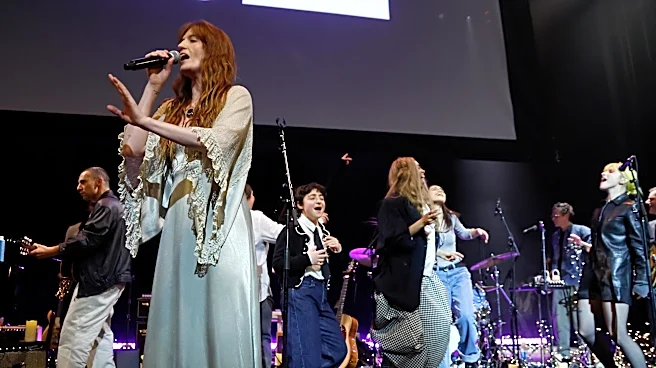
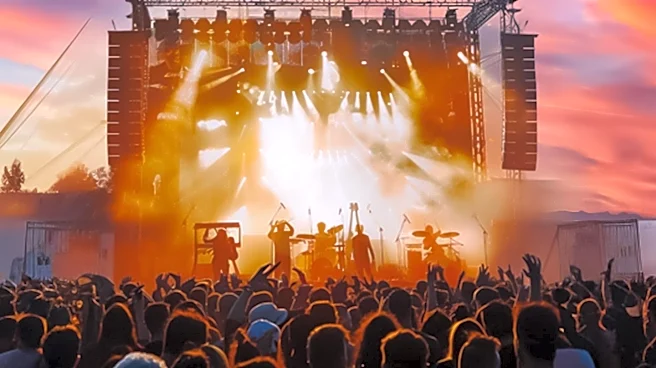
Florence Welch, the lead singer of Florence + The Machine, actively encourages concertgoers to put away their phones during her performances, particularly during popular songs like 'Dog Days Are Over.' Welch views her concerts as 'rituals' and believes
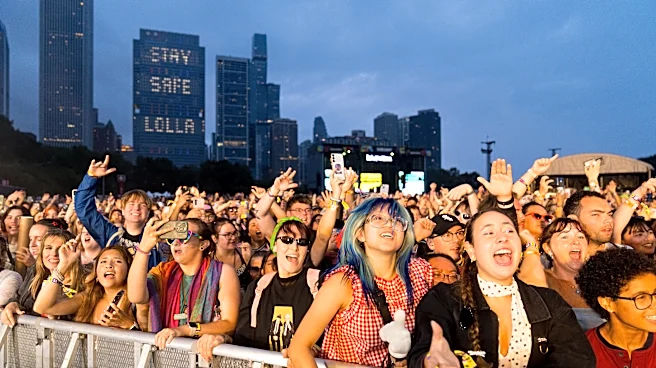
that phones interfere with the full realization of this experience. This approach aligns with a growing trend among artists who are implementing or suggesting no-phone policies at their shows. While some artists, like Phoebe Bridgers and Bob Dylan, have adopted strict measures such as locking phones in Yondr pouches, Welch's method is more suggestive, relying on direct appeals to her audience. The aim is to foster a more present and collective atmosphere, allowing attendees to immerse themselves fully in the music and the shared emotional vulnerability of the live event. Concertgoers who have experienced no-phone policies report a more attentive and connected energy within the crowd, with a heightened focus on the art and interaction with fellow attendees.
Why It's Important?
This movement towards no-phone concerts holds significant implications for the U.S. entertainment industry and concert culture. The pervasive use of smartphones at live events has often been criticized for detracting from the audience's experience, creating 'light pollution,' and shifting focus from the performance to recording and sharing. By encouraging phone-free environments, artists like Florence Welch are attempting to reclaim the sanctity of the live show, promoting a deeper connection between the artist and the audience. This could lead to a more engaged and memorable experience for attendees, potentially increasing satisfaction and loyalty. For the industry, it presents a challenge to traditional concert etiquette but also an opportunity to differentiate live events in an increasingly digital world. If successful, this trend could influence venue policies and artist contracts, prioritizing immersive experiences over social media documentation.
What's Next?
The discussion around no-phone concerts is likely to continue evolving, with more artists potentially adopting similar policies, either strictly or suggestively. The success of artists like Phoebe Bridgers with Yondr pouches and Florence Welch's vocal advocacy could encourage other performers to experiment with phone-free zones. This could lead to a broader cultural shift in concert etiquette, where being present and engaged becomes the norm rather than the exception. Venues and promoters might explore various solutions, from designated phone-free sections to technological interventions, to support artists' preferences. The long-term impact could be a re-evaluation of the value of live performance, emphasizing the unique, unrepeatable nature of the event over its digital capture. However, challenges remain in balancing artist desires with audience expectations for personal documentation and sharing.
Beyond the Headlines
The push for no-phone concerts touches upon deeper societal issues related to technology addiction and the constant need for digital validation. In a world saturated with screens, the concert hall could become one of the few remaining spaces where individuals are encouraged to disconnect and experience something purely in the moment. This initiative by artists like Florence Welch can be seen as a form of 'digital detox,' offering a temporary reprieve from the pressures of online presence. It highlights the ethical and cultural dimensions of technology's role in public spaces and personal experiences. By fostering an environment where attention is undivided, these concerts may not only enhance the artistic experience but also subtly encourage a broader reflection on our relationship with technology and the importance of genuine human connection.