



What's Happening?
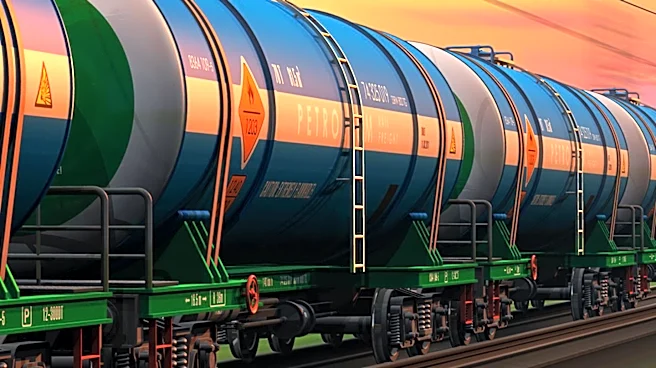
West Fraser Europe has made a significant investment in rail freight infrastructure at its Inverness manufacturing facility. This development includes a new rail freight terminal that will directly connect the plant to the Aberdeen-Inverness railway line.
The project is part of West Fraser’s long-term strategy to improve logistics efficiency, increase supply chain resilience, and reduce transport-related carbon emissions. The new facility features two 560m rail sidings and infrastructure for loading and unloading freight containers. Once operational, it is projected to remove approximately 10,000 HGV movements annually and cut CO2 emissions by an estimated 9,000 tonnes per year. Stephen Flynn MSP, Cabinet Secretary for Economy, Tourism and Transport, visited the site to discuss the investment and its potential to strengthen Scotland’s construction and manufacturing supply chains. George Webb, European Purchasing Director at West Fraser, highlighted the collaboration between the company, stakeholders, the local community, and Transport Scotland.
Why It's Important?
This investment by West Fraser is important for several reasons. Firstly, it signifies a strategic move towards more sustainable and efficient transportation within the manufacturing sector. By shifting from road haulage to rail, the company aims to significantly reduce its carbon footprint, aligning with broader environmental goals and potentially setting a precedent for other industries. Secondly, the project enhances supply chain resilience by diversifying transportation methods, which can mitigate risks associated with road-dependent logistics, such as traffic congestion or fuel price volatility. Thirdly, the new terminal offers potential economic benefits beyond West Fraser, as other businesses in the Inverness area could utilize the facility, fostering regional economic growth and improving overall freight efficiency. This initiative demonstrates how private sector investment in infrastructure can contribute to public policy objectives related to environmental sustainability and economic development.
What's Next?
The new rail freight terminal at West Fraser's Inverness facility is expected to become operational, enabling the increased transportation of raw materials and finished products by rail. This will lead to the projected reduction of 10,000 HGV journeys annually and a decrease of 9,000 tonnes in CO2 emissions. The company will likely monitor these environmental and logistical improvements closely. There is also potential for other businesses in and around Inverness to utilize the terminal, which could further extend its economic and environmental benefits across the region. Continued collaboration between West Fraser, Transport Scotland, and local stakeholders will be crucial to maximizing the terminal's impact and exploring further opportunities for rail freight expansion in the area. The success of this project could serve as a model for similar infrastructure investments in other regions.
Beyond the Headlines
Beyond the immediate logistical and environmental benefits, West Fraser's investment in rail freight infrastructure highlights a broader trend towards integrating sustainability into core business operations. This move reflects a growing corporate responsibility to address climate change and reduce environmental impact, driven by both regulatory pressures and consumer demand for greener supply chains. The project also underscores the critical role of infrastructure development in supporting economic resilience and regional growth, particularly in sectors like construction and manufacturing. Furthermore, the collaboration between a private company and government entities, as seen with West Fraser and Transport Scotland, exemplifies a model for public-private partnerships that can drive significant advancements in sustainable logistics and contribute to national environmental targets. This initiative could influence future policy decisions regarding freight transportation and infrastructure funding.