





What's Happening?
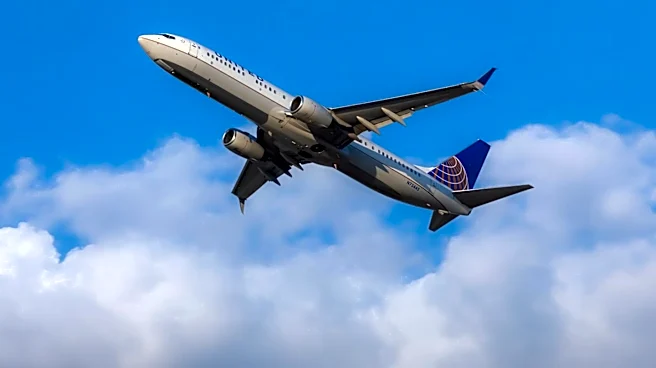
United Airlines CEO Scott Kirby, in a Thanksgiving message to employees, expressed gratitude for their work during the holiday travel period and reiterated his belief that United is the world's best airline. Filmed at San Francisco International Airport,
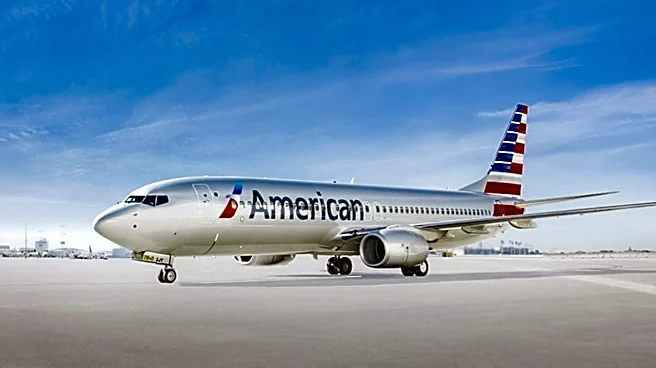
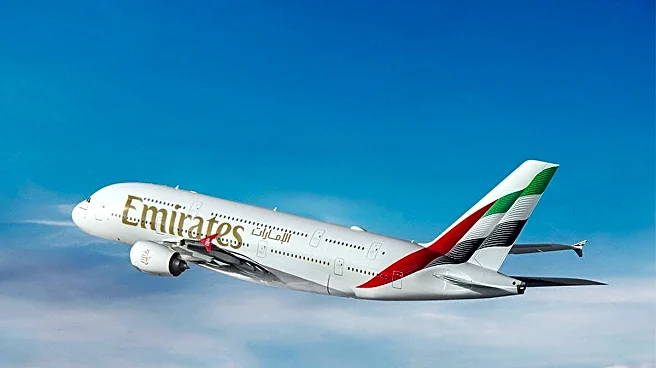
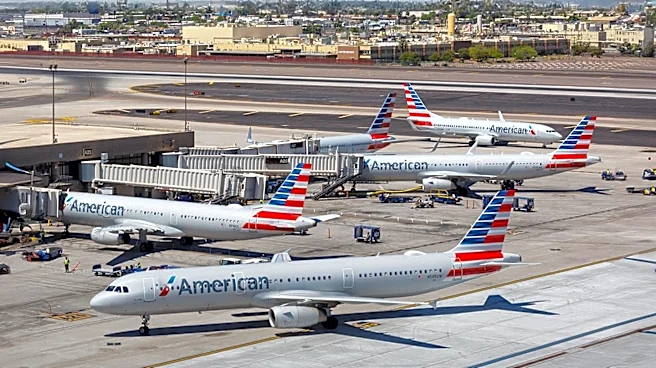
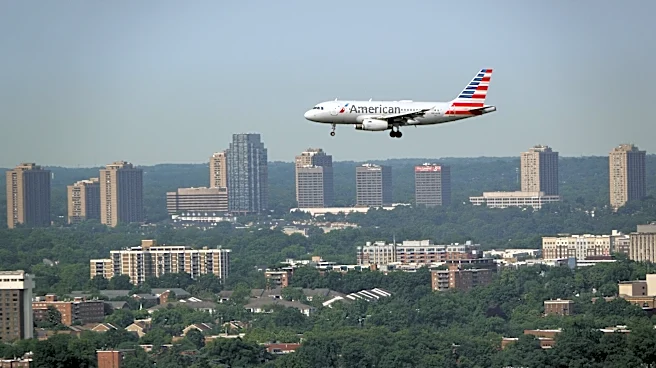
Kirby acknowledged employees working away from their families and highlighted positive customer feedback regarding their service. He specifically stated his expectation that United will not only maintain its current leadership position but also significantly widen its lead over all other airlines in the coming years. This assertion goes beyond merely comparing United to major domestic rivals like American or Delta, encompassing the entire global aviation industry. Kirby emphasized that customer experiences, particularly those involving empathetic employees, are crucial for building loyalty and positive perceptions of the airline.
Why It's Important?
Scott Kirby's bold declaration about United Airlines' anticipated growth and widening lead carries significant implications for the competitive landscape of the U.S. airline industry. Such a statement from a CEO can influence investor confidence, employee morale, and public perception. If United successfully executes on this vision, it could lead to increased market share, potentially impacting the strategies and profitability of rival carriers. For consumers, a more dominant United could mean a more standardized and potentially improved travel experience, especially if the airline addresses inconsistencies in its onboard product, such as internet reliability across its fleet. The emphasis on employee-driven customer service also highlights a strategic focus on human capital as a key differentiator in a highly competitive sector, suggesting that investments in employee training and support will be critical to achieving this projected lead.
What's Next?
United Airlines will likely continue to focus on operational improvements and customer service initiatives to support CEO Scott Kirby's vision of widening its lead. This could involve further investments in fleet modernization, technology upgrades like Starlink internet, and enhanced employee training programs aimed at fostering positive customer interactions. Competitors will be closely watching United's performance and strategic moves, potentially prompting them to re-evaluate their own competitive strategies in areas such as service quality, pricing, and network expansion. The airline's ability to deliver a consistently high-quality experience across its diverse fleet will be a key factor in validating Kirby's claims and securing customer loyalty in the long term. The coming years will show whether United can indeed establish a more significant gap between itself and other global airlines.
Beyond the Headlines
Scott Kirby's message subtly underscores a broader shift in the airline industry's competitive focus, moving beyond just price and routes to emphasize the 'human element' of travel. While technological advancements and modern aircraft are important, the CEO's focus on employee-customer interactions suggests a recognition that emotional connections and problem-solving during travel disruptions are powerful drivers of brand loyalty. This approach could set a new standard for what constitutes a 'great airline' in global aviation, pushing competitors to invest more in their frontline staff and customer experience strategies. The challenge for United will be to scale this personalized service across its vast operations and diverse fleet, ensuring that the positive experiences highlighted by Kirby become the norm rather than isolated incidents, thereby truly differentiating itself in a highly commoditized industry.