







What's Happening?
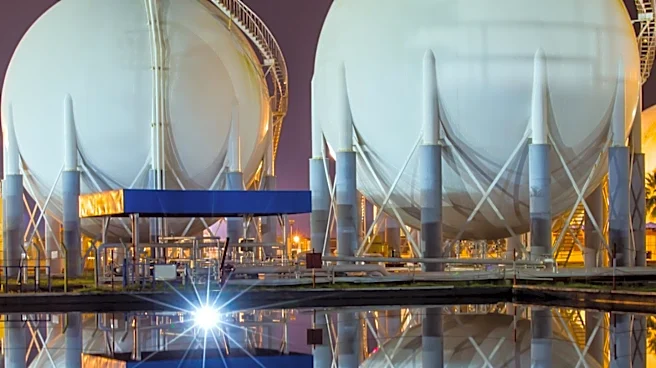
Shell has forecasted a 65% increase in global liquefied natural gas (LNG) demand by 2050, driven primarily by Asian countries seeking lower-emission energy sources. The company's 2026 LNG Outlook report highlights that global demand could reach nearly
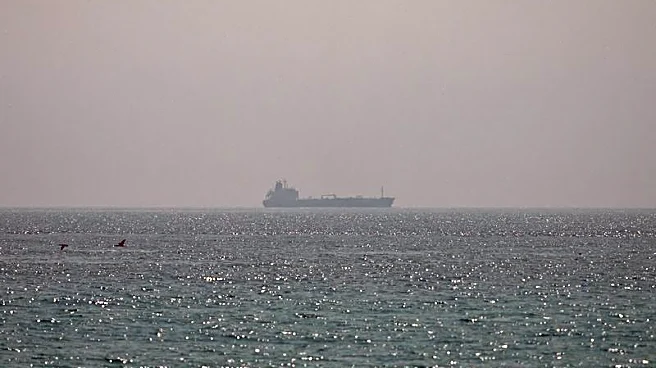
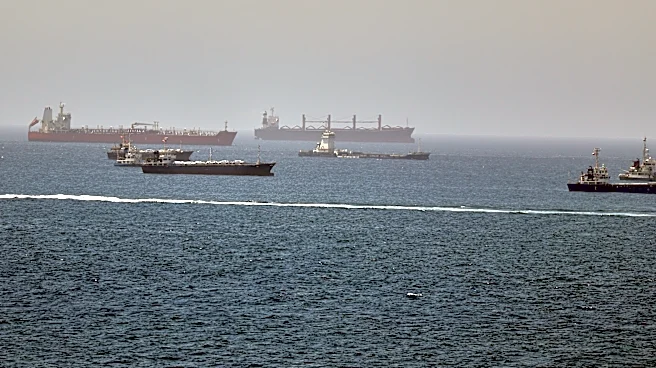
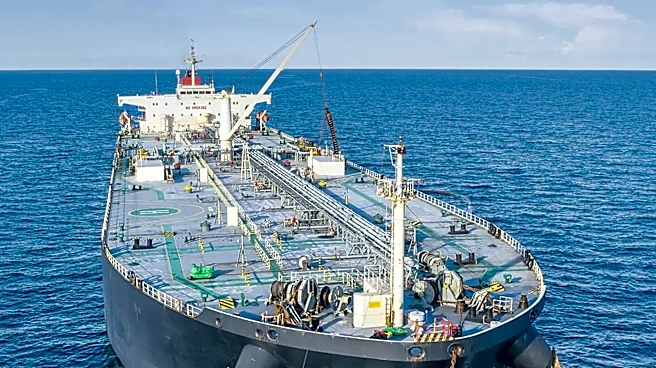
700 million metric tons annually by mid-century. However, current disruptions in the Strait of Hormuz due to Middle East conflicts have impacted LNG supply, with about one-fifth of global monthly supply affected. Despite these challenges, the LNG industry has shown resilience, aided by recent growth in supply and regasification infrastructure. The report also notes that new liquefaction facilities in North America and improved performance at existing plants have helped mitigate supply disruptions.
Why It's Important?
The projected surge in LNG demand underscores the growing importance of LNG as a cleaner energy alternative, particularly in Asia, where countries are transitioning from coal to meet energy needs. This shift has significant implications for global energy markets, influencing investment in LNG infrastructure and shaping energy policies. The disruptions in the Strait of Hormuz highlight the vulnerabilities in global energy supply chains and the need for diversified energy sources. For the U.S., which is ramping up LNG production, this presents opportunities to expand its role in global energy markets. However, the geopolitical tensions affecting supply routes could impact energy prices and availability, influencing economic stability and energy security worldwide.
What's Next?
To meet the rising demand, significant investments in new LNG export projects are required through the 2030s and 2040s. Shell emphasizes the need for around 200 million tons per year of new supply in addition to projects already under construction. The focus will likely be on expanding infrastructure in North America and other regions to enhance supply resilience. Additionally, geopolitical developments in the Middle East will be closely monitored, as they could further impact supply routes and market dynamics. The ongoing conflict and its resolution will play a crucial role in shaping the future of global LNG trade and energy security strategies.