



What's Happening?
Coty, an American beauty company, has announced a 40-year extension of its licensing agreement for Marc Jacobs Beauty and Fragrance. This long-term deal was finalized with WHP Global and G-III Apparel Group, the new co-owners of the Marc Jacobs brand,
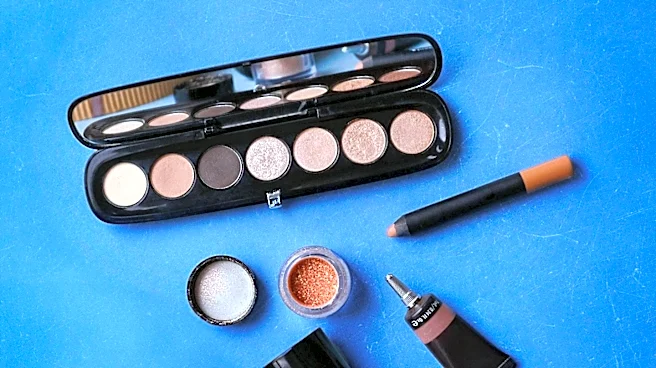
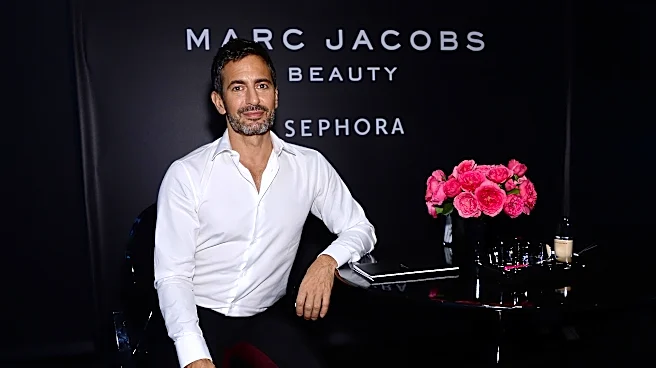
who acquired it from LVMH in September. The partnership between Coty and Marc Jacobs began in 2003 with fragrances and expanded into beauty products in 2023. Under Coty's management, Marc Jacobs has developed successful fragrance lines such as Daisy (2007), Perfect (2020), and Daisy Wild (2024). Marc Jacobs fragrances are currently among the top 10 to 15 prestige female fragrances in key markets including the U.S., U.K., Canada, and Australia, making it one of Coty's top six core prestige brands. The recently relaunched Marc Jacobs Beauty makeup line, which became available online in late May and in Sephora stores across several countries from September, is reportedly exceeding retail sales targets. Coty noted that the makeup line ranks among the top 20 makeup brands at Sephora U.K. and in Australia and New Zealand, with its eyeliner and eyeshadow in the top five at Sephora U.S. The company also stated that the beauty line's success is positively impacting the core fragrance business.
Why It's Important?
This 40-year license extension is a significant development for Coty, securing a long-term revenue stream from one of its key prestige brands under new ownership. For Coty, it provides stability and long-term visibility within its prestige portfolio, crucial for rebuilding momentum in the competitive beauty market. The deal also highlights the enduring value of beauty licenses, demonstrating that such agreements can successfully transition even when a fashion label changes ownership from a luxury conglomerate to a brand management model. For WHP Global and G-III Apparel Group, the extended partnership with Coty ensures continued growth and global expansion for Marc Jacobs' beauty and fragrance categories, which are vital components of the brand's overall market presence and consumer connection. The strong performance of the relaunched Marc Jacobs Beauty line indicates a robust market demand and potential for further growth, reinforcing the brand's position in the global beauty industry and benefiting all stakeholders involved.
What's Next?
Coty plans to further expand Marc Jacobs Beauty into new international markets and broaden its presence within the color cosmetics segment. The company sees significant opportunities for continued growth across both fragrance and makeup categories, leveraging the long-term nature of the licensing agreement. The success of the relaunched beauty line is expected to drive further investment and innovation in product development and marketing strategies. For WHP Global and G-III Apparel Group, the extended partnership with Coty will likely support their broader ambition to grow the Marc Jacobs brand globally, with beauty and fragrance playing a central role. This long-term commitment from Coty provides a stable foundation for the brand's future, allowing for strategic planning and execution over several decades, potentially leading to new product launches and market entries.
Beyond the Headlines
This extended licensing agreement underscores a broader trend in the fashion and beauty industries where brand ownership models are evolving. The transition of Marc Jacobs from LVMH to a joint venture between WHP Global and G-III Apparel Group, while maintaining a critical licensing partnership with Coty, illustrates the increasing importance of strategic brand management and licensing in maximizing a brand's global reach and profitability. It also highlights the power of established beauty companies like Coty in building and sustaining successful product franchises, even for brands undergoing ownership changes. The deal reflects a strategic alignment between brand owners and licensees to ensure continuity and growth, emphasizing that a brand's value often extends beyond its core fashion offerings into lucrative ancillary categories like beauty and fragrance. This long-term commitment could also set a precedent for how similar transitions are handled in the luxury brand sector, prioritizing stable, long-term partnerships for sustained brand equity and market penetration.