







What's Happening?
Microadventures are emerging as a popular way for individuals in the U.S. to take manageable breaks from their daily routines without the need for extensive travel or significant financial investment. These short, low-cost outings leverage nearby locations,
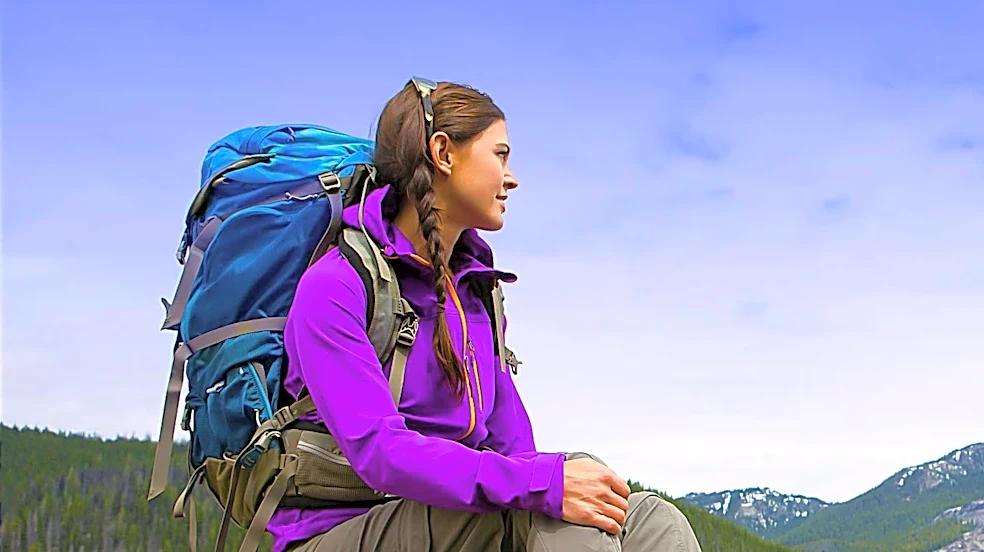
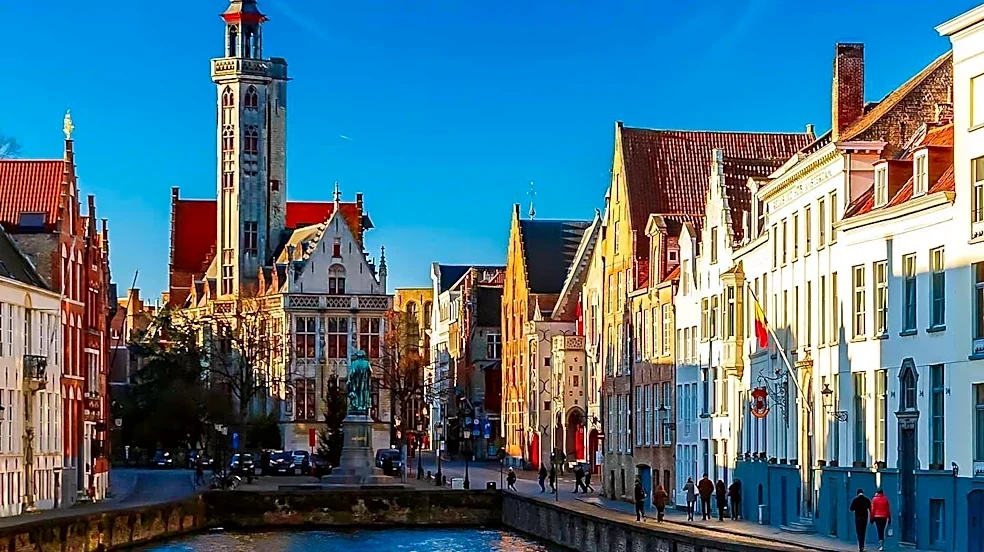
unusual timing, or simple rules to foster a sense of exploration and provide restorative benefits. Examples include watching the sunrise from a local high point, participating in a ghost or legends tour, backyard camping and stargazing, joining guided group bike rides, taking beginner archery lessons, or exploring every stop on a short transit line. The concept emphasizes experiencing refreshing travel benefits close to home, offering a mental reset within a short timeframe. This approach contrasts with traditional fast-paced tourism, which can lead to exhaustion due to packed itineraries and frequent transitions. Microadventures align with the broader 'slow living' philosophy, prioritizing depth of experience over the breadth of destinations.
Why It's Important?
The rise of microadventures holds significant importance for the well-being and lifestyle of U.S. residents. In a society often characterized by demanding work schedules and limited vacation time, these accessible breaks provide a crucial outlet for stress reduction and mental rejuvenation. By encouraging exploration of local heritage sites, regional parks, and community activities, microadventures can foster a stronger connection between individuals and their immediate environments. This trend also has economic implications, as it can redirect spending towards local businesses, tour operators, and recreational facilities, supporting community economies. Furthermore, the emphasis on short, low-cost outings makes restorative experiences more equitable and available to a wider demographic, including those with financial constraints or limited mobility. The environmental benefits are also notable, as reduced long-distance travel contributes to a lower carbon footprint, aligning with growing environmental consciousness in the U.S.
What's Next?
The trend of microadventures is likely to continue growing in popularity across the U.S., leading to increased demand for local recreational activities and services. We can anticipate more businesses and community organizations offering structured microadventure opportunities, such as guided nature walks, local history tours, and outdoor skill-building workshops. There may also be a greater emphasis on promoting accessible public spaces and natural areas for these types of activities. Individuals are expected to increasingly integrate microadventures into their regular routines, viewing them as essential components of a balanced lifestyle rather than occasional indulgences. This could also influence urban planning and park development, with a focus on creating more accessible and engaging local exploration options. The tourism industry may further adapt by offering more localized and experience-focused packages that cater to the microadventure mindset.
Beyond the Headlines
Beyond the immediate benefits of relaxation and local exploration, the microadventure movement reflects a deeper cultural shift in the U.S. towards valuing experiences over material possessions and prioritizing well-being. It challenges the traditional notion that meaningful travel requires extensive planning, significant expense, and distant destinations. This shift could lead to a re-evaluation of leisure time and a greater appreciation for the resources available within one's own community. Ethically, microadventures promote responsible tourism by encouraging individuals to engage respectfully with local cultures and environments. The emphasis on short, low-impact outings also aligns with principles of sustainability, fostering a more environmentally conscious approach to leisure. This trend could ultimately contribute to a more resilient and community-focused society, where individuals find fulfillment and rejuvenation in their immediate surroundings.