








What's Happening?
The Steamship Authority has approved rate increases and introduced a freight surcharge for its Martha's Vineyard route. This decision comes in response to escalating operational costs and anticipated revenue shortfalls. The board endorsed these financial
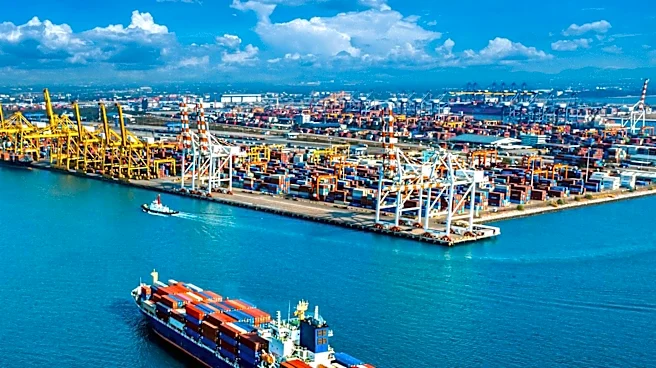
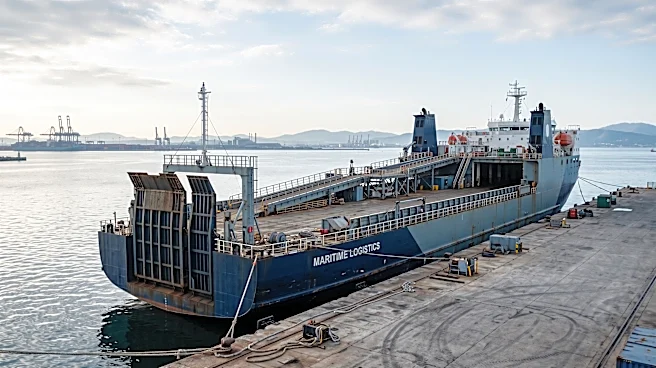
adjustments to prevent a significant deficit projected for 2027. In addition to these immediate measures, the authority is actively investigating the feasibility of establishing a comprehensive ferry service to and from New Bedford. This initiative aims to enhance the resilience and redundancy of their service offerings, particularly during periods of disruption. Currently, New Bedford provides seasonal high-speed ferry services to both Martha's Vineyard and Nantucket. Furthermore, two private companies have already secured licenses to operate freight services to Nantucket from New Bedford, indicating a growing interest in diversifying maritime transport options in the region. The exploration of full ferry service from New Bedford suggests a strategic move to bolster regional connectivity and ensure more robust transportation links for island communities.
Why It's Important?
The Steamship Authority's decision to raise rates and add a freight surcharge directly impacts residents, businesses, and tourists relying on the Martha's Vineyard ferry service. Increased transportation costs can translate into higher prices for goods and services on the island, affecting local economies and the cost of living for residents. For businesses, particularly those involved in logistics and retail, the freight surcharge will directly increase operational expenses, potentially leading to reduced profit margins or passed-on costs to consumers. The exploration of full ferry service from New Bedford is significant as it could provide a crucial alternative route, reducing dependence on existing terminals and offering greater flexibility during adverse weather conditions or operational issues. This diversification of service could enhance economic stability for the islands by ensuring more consistent access to the mainland, which is vital for supply chains, tourism, and daily commuting. The move also signals a proactive approach by the authority to address long-term financial sustainability and service reliability.
What's Next?
The newly approved rate increases and freight surcharge will be implemented, directly affecting ferry users and freight operators on the Vineyard route. Stakeholders, including island residents, businesses, and tourism operators, will need to adjust to these increased costs. The Steamship Authority will continue its detailed assessment regarding the establishment of full ferry service from New Bedford. This process will likely involve feasibility studies, environmental impact assessments, and public consultations to gather feedback from affected communities and stakeholders. If deemed viable, the development of a new full-service route from New Bedford would require significant infrastructure investment and operational planning. This could lead to new opportunities for economic development in New Bedford and potentially alter existing traffic patterns and demand for services at current ferry terminals. The timeline for any new service from New Bedford remains undefined, but the ongoing exploration indicates a commitment to long-term strategic planning for regional maritime transportation.
Beyond the Headlines
The Steamship Authority's actions reflect broader challenges faced by public transportation entities in balancing financial solvency with public service obligations. The need for rate increases highlights the persistent pressure from rising operational costs, including fuel, labor, and maintenance, which are common across the transportation sector. The initiative to establish full ferry service from New Bedford also points to a strategic shift towards enhancing regional resilience and redundancy in critical infrastructure. This move could mitigate the impact of single points of failure in the existing ferry network, which is crucial for island communities dependent on reliable access to the mainland. Furthermore, the potential for increased ferry traffic through New Bedford could spur economic revitalization in that port city, creating jobs and stimulating local businesses. This development could also lead to a re-evaluation of regional transportation planning, potentially fostering greater integration between different modes of transport and promoting more sustainable travel options in the long term.