



What's Happening?
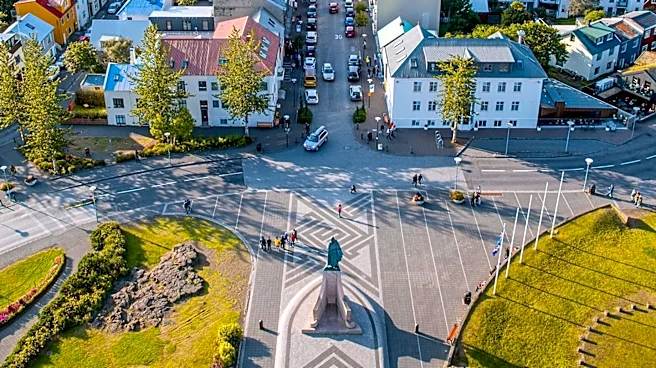
Reykjavík, the capital of Iceland, is a compact yet culturally rich city located on Faxafloi Bay. It serves as a central hub for exploring Iceland's natural wonders and offers a diverse range of attractions within its limits. Key landmarks include Hallgrímskirkja,
a prominent basalt-column church offering panoramic views; Harpa Concert Hall, known for its distinctive glass facade; and the National Museum of Iceland, which chronicles the nation's history from the Settlement Age to modern independence. The city is divided into distinct areas, such as Midborg for nightlife and central attractions, Vesturbaer and Grandi for harbor museums and seafood, and Laugardalur for recreational facilities like pools and botanical gardens. Visitors can explore shopping streets like Laugavegur and Skólavörðustígur, which feature Icelandic design shops, bookstores, and cafes. The Old Harbor and Grandi district provide a working waterfront experience with whale boats, fish restaurants, and museums. Reykjavík's culinary scene offers traditional Icelandic dishes such as lamb soup, plokkfiskur, and skyr, available from casual eateries to New Nordic tasting menus.
Why It's Important?
Reykjavík's significance extends beyond its role as Iceland's capital; it acts as a gateway for international tourism and a cultural center that showcases Icelandic heritage and contemporary life. The city's well-preserved historical sites and modern architectural marvels contribute to its appeal as a unique travel destination, drawing visitors interested in both history and design. Its strategic location also makes it an ideal base for day trips to iconic natural attractions like the Golden Circle, which includes Þingvellir National Park, the Strokkur geyser, and Gullfoss waterfall. The city's infrastructure, including public transportation and tour operators, facilitates access to these remote areas, making Iceland accessible to a broader range of travelers. Furthermore, Reykjavík's commitment to local design, food, and outdoor clothing shopping provides economic opportunities for local businesses and artisans, contributing to the city's vibrant economy and cultural identity.
What's Next?
For visitors planning a trip to Reykjavík, March offers a unique blend of usable daylight and active aurora season, making it an opportune time for Golden Circle tours and other outdoor activities. The city's public transport system, including Straeto buses and the Klappid app, covers major areas, while taxis and tour pickups handle transfers to the Blue Lagoon and Golden Circle departures. Future developments in Reykjavík will likely focus on enhancing visitor experiences, potentially through further development of its cultural districts and sustainable tourism initiatives. As tourism continues to grow, the city may also see expansions in its hospitality sector and improvements in infrastructure to accommodate increasing visitor numbers. Continued efforts to promote local Icelandic culture and cuisine will likely remain a priority, ensuring that Reykjavík retains its unique charm and appeal as a premier North Atlantic destination.
Beyond the Headlines
Beyond its immediate attractions, Reykjavík embodies a unique blend of urban living and proximity to raw natural beauty, offering a distinct lifestyle that balances modern amenities with a deep connection to the environment. The city's compact size fosters a strong sense of community, while its vibrant arts scene and numerous festivals reflect a dynamic cultural landscape. The emphasis on local design and sustainable practices in Reykjavík also highlights broader societal values in Iceland, where environmental consciousness and cultural preservation are highly regarded. The city serves as a living example of how a small capital can maintain its unique identity while embracing global influences, offering lessons in urban planning and cultural development. Its role as a hub for exploring Iceland's dramatic landscapes also underscores the growing global interest in ecotourism and responsible travel, positioning Reykjavík as a leader in sustainable tourism practices.