

What's Happening?
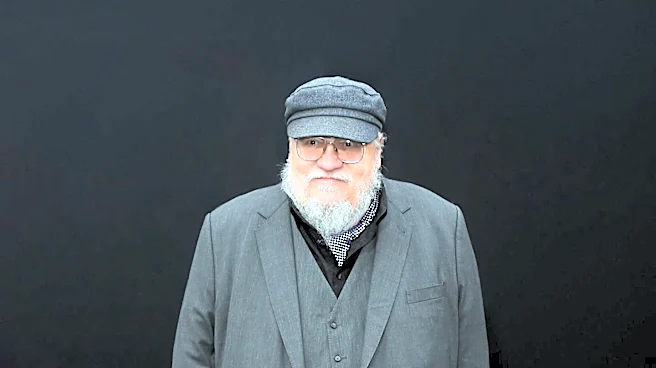
Author George R.R. Martin has publicly characterized his relationship with 'House of the Dragon' showrunner Ryan Condal as "abysmal." This revelation comes amidst Martin's promotional duties for another Westeros-set HBO series, 'A Knight Of The Seven
Kingdoms,' where he praised its showrunner, Ira Parker. Martin's comments highlight a significant contrast in his working relationships with the creative teams adapting his literary works. He stated that he initially hired Condal and believed they were partners throughout the first season of 'House of the Dragon,' with Martin providing notes on early script drafts that were often incorporated. However, Martin claims that once Condal became the sole showrunner for the second season, he "stopped listening" to Martin's input. This led to increasing frustration for Martin, culminating in HBO instructing him to submit his notes directly to them for consolidation before being passed to Condal. Martin previously expressed his dissatisfaction in a now-deleted 2024 blog post, criticizing changes made to his canon, which he described as "toxic."
Why It's Important?
This strained relationship between a celebrated author and the showrunner adapting his work has significant implications for the creative direction and fan reception of 'House of the Dragon.' George R.R. Martin's deep involvement and vision are crucial to the 'Game of Thrones' universe, and any perceived deviation from his source material can impact the show's authenticity and audience engagement. For HBO and Warner Bros. Discovery, managing such high-profile creative disagreements is vital, especially given the immense financial success and cultural impact of the franchise. A public rift could lead to concerns among fans about the show's future fidelity to the books and potentially affect viewership or critical acclaim. The situation also underscores the complex dynamics between original creators and adaptation teams in the entertainment industry, where creative control and artistic interpretation often clash, potentially influencing how future adaptations of popular literary works are approached.
What's Next?
Despite the public acknowledgment of their strained relationship, George R.R. Martin has reportedly rejoined 'House of the Dragon' in some capacity, though he remains tight-lipped about the specifics. The series is currently gearing up for its third season, which is speculated to air in 2026. The ongoing production will likely continue under the shadow of this creative tension, with fans and critics closely watching for any signs of Martin's influence or lack thereof in future episodes. HBO and the production team will need to navigate this dynamic carefully to maintain the show's quality and appeal. The situation also raises questions about the long-term collaboration between Martin and HBO on other projects, such as 'A Knight Of The Seven Kingdoms,' where his relationship with showrunner Ira Parker appears to be much more positive. The resolution of this conflict, or its continued management, will be a key factor in the franchise's trajectory.
Beyond the Headlines
The conflict between George R.R. Martin and Ryan Condal highlights a recurring challenge in adapting beloved literary works for the screen: balancing the original creator's vision with the demands and interpretations of a new medium and creative team. Martin's strong stance on maintaining the integrity of his canon, even concerning minor characters, reflects a broader ethical consideration for authors whose intellectual property is adapted. The incident also reveals the power dynamics within major media corporations like Warner Bros. Discovery and HBO, where PR efforts are deployed to manage public perception and internal disputes. The fact that Martin's critical blog post was quickly removed and he was reportedly asked to step back from the show initially, before rejoining in an undisclosed capacity, suggests a delicate negotiation of creative control and corporate interests. This situation could set precedents for how studios handle similar disagreements with original creators in the future, emphasizing the need for clear communication and mutual respect in collaborative projects.