




What's Happening?
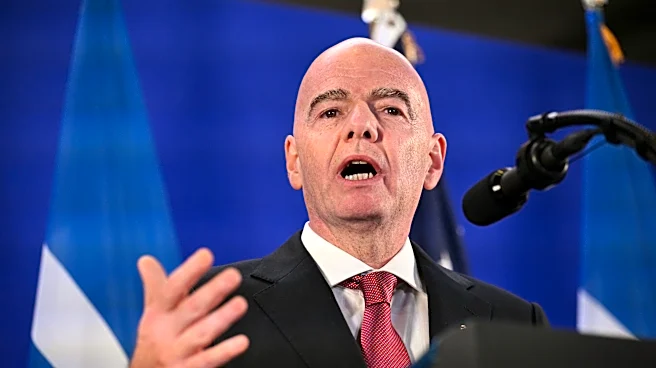
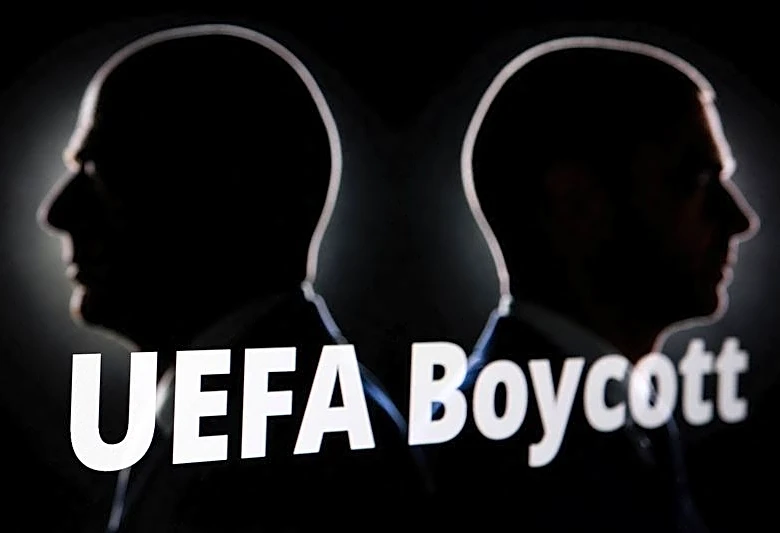
UEFA, representing European football's 55 member associations, has voted to boycott future World Cups if FIFA proceeds with plans to sell stakes in its competitions to private investors. This decision was made during an emergency meeting following FIFA's
proposal to involve private investment in the World Cup. UEFA has expressed strong opposition, emphasizing that the World Cup should not be treated as an investment product. The boycott would affect all FIFA competitions, including the men's and women's World Cups and the Club World Cup, if FIFA President Gianni Infantino's proposals are approved. The first test of this stance will occur during the Women's World Cup play-offs in October.
Why It's Important?
UEFA's potential boycott underscores the tension between commercial interests and the preservation of football's heritage. The World Cup is a significant sporting event with global cultural and economic implications. UEFA's opposition highlights concerns about the commercialization of the sport and the potential loss of its traditional values. A boycott by UEFA could significantly impact FIFA's operations and the global football landscape, affecting players, fans, and sponsors. The decision reflects broader debates about the role of private investment in sports and the balance between profit and preserving the integrity of competitions.
What's Next?
The upcoming vote on Infantino's proposals will determine the future of FIFA's investment plans. If approved, UEFA's boycott could lead to significant changes in the organization and hosting of World Cup events. The situation may prompt further discussions among FIFA member associations about the governance and commercialization of football. Stakeholders, including national football associations, players, and fans, will likely engage in debates about the implications of private investment in the sport.