






What's Happening?
Experts suggest that an individual's body shape can provide valuable insights into potential future health risks, encouraging a proactive approach to wellness. According to April Lind, MD, founder of MyClarity, and Jumana Al-Deek, DO, a double board-certified
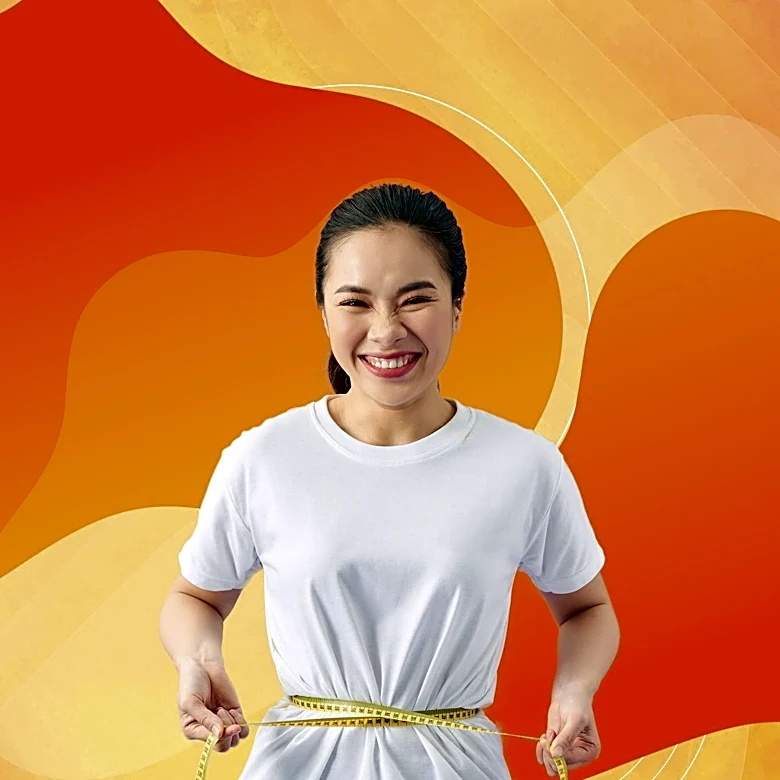
physician, body shape offers clues that women can use to be more proactive about their health. Dr. Al-Deek emphasizes that where fat is stored can be as crucial as overall weight, noting that two individuals with the same weight and BMI can have vastly different metabolic risk profiles based on fat distribution. For instance, an 'apple' body shape, characterized by more weight around the abdomen, may indicate higher visceral fat, which is metabolically active and contributes to inflammation, insulin resistance, elevated blood pressure, and abnormal cholesterol levels. Conversely, a 'pear' body shape, with more weight in the hips and thighs, might be metabolically protective. The 'string-bean' shape (tall and thin) can carry risks like reduced muscle mass and lower bone density, while an 'athletic' or 'rectangle' shape, though often associated with good health, doesn't eliminate cardiovascular risk, especially with family history.
Why It's Important?
This perspective shifts the focus from solely BMI and weight to a more nuanced understanding of body composition and fat distribution, which is crucial for personalized health management in the U.S. By recognizing the health implications associated with different body shapes, individuals and their physicians can better identify potential risks for conditions like heart disease, type 2 diabetes, fatty liver disease, certain cancers, osteoporosis, and sarcopenia. This approach empowers individuals to engage in more targeted discussions with their doctors about specific screenings, lifestyle adjustments, and preventive measures. For example, those with an 'apple' shape might prioritize regular cholesterol and blood sugar tests, while those with a 'string-bean' shape might focus on bone density and muscle mass. This understanding can lead to earlier detection and intervention for various health issues, potentially improving long-term health outcomes and reducing the burden of chronic diseases on the healthcare system.
What's Next?
Individuals are encouraged to use their body shape as a guide for discussions with their physicians, rather than a definitive diagnosis. The recommendation is to combine these physical clues with objective measurements such as blood pressure, cholesterol, blood glucose, muscle mass, and overall health history. Dr. Al-Deek suggests asking physicians, 'Based on where I carry my weight and how my body has changed over time, are there any metabolic or cardiovascular risks we should be paying closer attention to?' This proactive dialogue can lead to personalized health plans, including specific dietary recommendations, exercise regimens, and screening schedules. Furthermore, awareness of how body shape can change over time, such as fat migration after menopause, is important, as sudden changes in abdominal girth could signal more serious underlying conditions requiring medical attention. The emphasis remains on using body shape as a compass to guide health journeys, not as a predetermined destiny.
Beyond the Headlines
The discussion around body shape and health delves into deeper societal perceptions of health and beauty, challenging the often-simplistic view that thinness equates to health. It highlights that even individuals perceived as 'thin' can face significant health risks, such as osteoporosis or nutritional deficiencies, especially as they age. This nuanced understanding can help combat body shaming and promote a more inclusive view of health that values individual body composition over generalized ideals. Ethically, it underscores the importance of personalized medicine, moving away from one-size-fits-all health advice. Legally, it could influence how health insurance providers assess risk or how public health campaigns are designed, potentially leading to more tailored health education. Culturally, it encourages a more informed dialogue about body image and health, fostering a greater appreciation for the diverse ways bodies manifest and the unique health considerations each may present.