


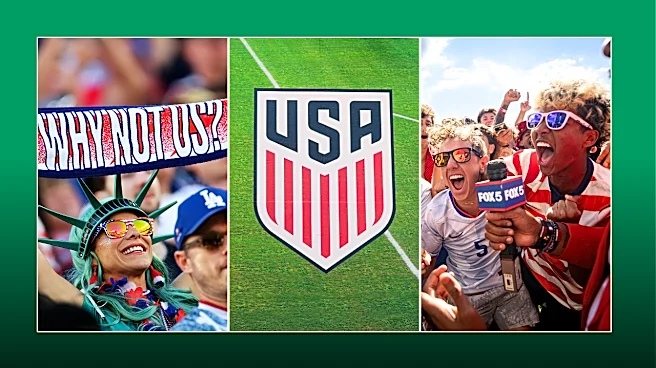


What's Happening?
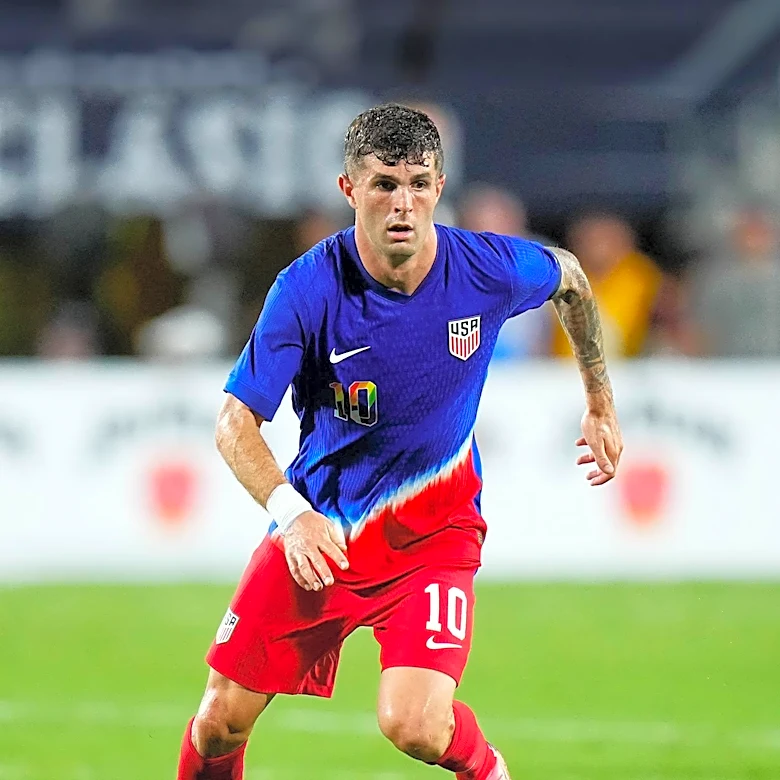
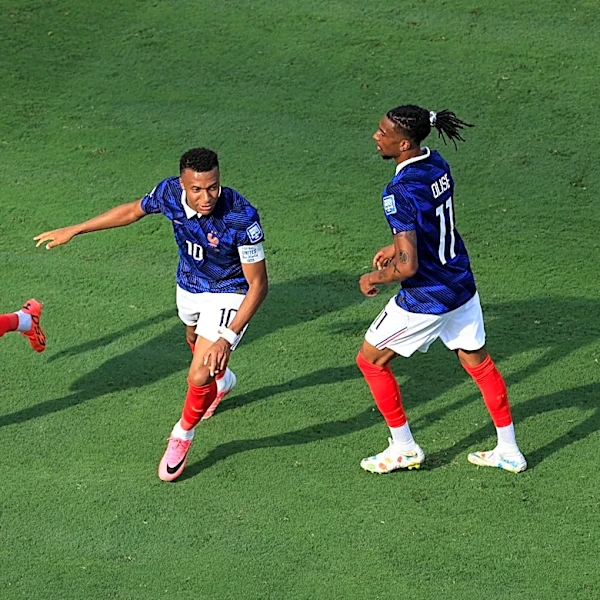
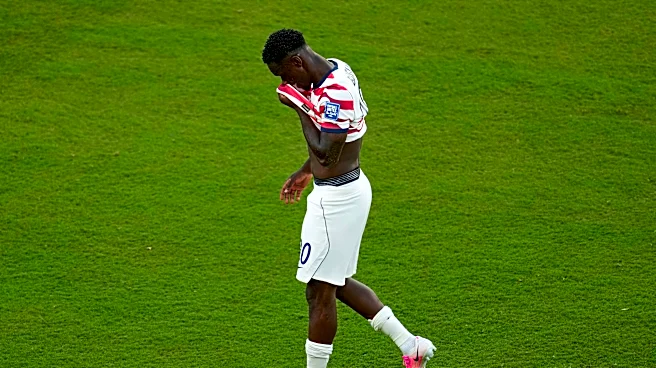
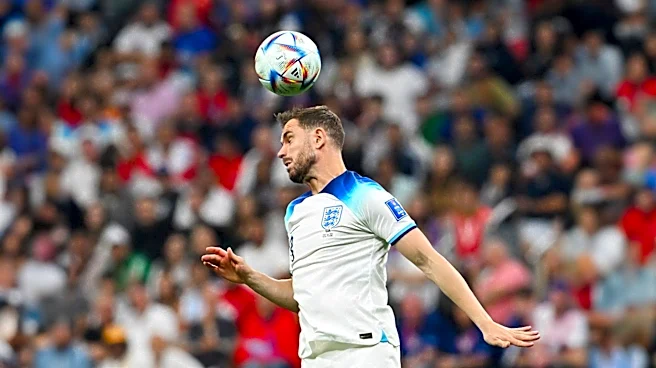
The U.S. soccer community is grappling with the challenge of producing a global superstar akin to Ronaldo or Messi. The core issue lies in cultural preferences, where American children traditionally gravitate towards sports like football, baseball, and
basketball. The upcoming 2026 World Cup presents an opportunity to shift this trend by encouraging more children to play soccer. The idea is that increased participation will lead to better competition and development of players who could potentially reach superstar status. However, this shift requires a cultural change where soccer becomes as integral to American youth as the traditional big three sports.
Why It's Important?
The development of a soccer superstar in the U.S. could significantly impact the sport's popularity and commercial success domestically. A homegrown talent who can compete on the world stage would not only elevate the U.S. team's performance but also inspire a new generation of players. This could lead to increased investment in soccer infrastructure and youth programs, potentially reshaping the sports landscape in the U.S. However, this shift could also impact other sports by diverting young talent and resources, creating a competitive environment for youth sports participation.
What's Next?
The 2026 World Cup, hosted by the U.S., Canada, and Mexico, is a pivotal moment for U.S. soccer. It is expected to boost interest and participation in the sport. Soccer organizations and schools may increase efforts to promote the sport among youth, potentially leading to a cultural shift. The success of these initiatives will depend on the ability to sustain interest beyond the World Cup and integrate soccer into the fabric of American sports culture.