




What's Happening?
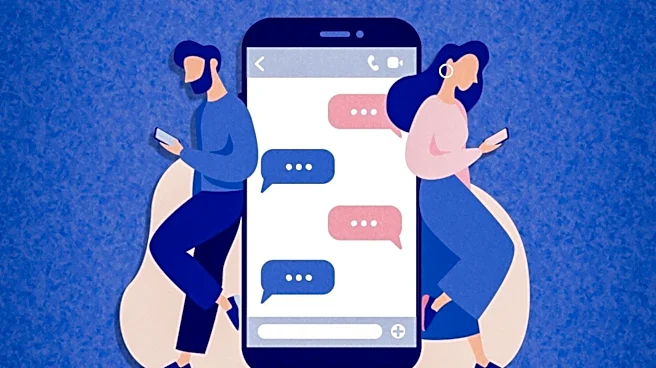
Snapchat has launched a new 'chat to song' feature, allowing Lens+ subscribers to transform their chat messages into short, AI-generated songs. Users can select a message, choose a musical genre, and then have Snapchat convert the text into a unique song that
can be shared within the conversation. This development is part of a broader update that includes other AI-powered creative tools such as AI Photoshoot, which enhances photo quality, and AI Remix, which allows users to reimagine Snaps. The feature builds on an existing trend seen on short-form video platforms where users have been turning conversations into songs using AI, further integrating music into the social content experience.
Why It's Important?
This new Snapchat feature signifies a significant shift in how music is created, shared, and consumed within social media platforms. For the U.S. music industry, it highlights the increasing importance of social platforms as discovery engines, moving beyond traditional streaming services. Artists and labels must recognize that music is becoming an integral part of everyday social interactions, offering new avenues for audience engagement outside of conventional releases. The ability for users to generate music from conversations democratizes music creation, potentially leading to new forms of user-generated content and viral trends. This also underscores the growing role of AI in creative processes, pushing the boundaries of what is possible in digital content creation and consumption.
What's Next?
The introduction of AI-generated music features on platforms like Snapchat suggests a future where personalized and interactive music experiences become more commonplace. We can anticipate other social media platforms to follow suit, integrating similar AI tools to enhance user engagement and content creation. For independent artists, this trend emphasizes the need for a strong social media presence and a creative release strategy that considers how their music can be adapted or integrated into these new interactive formats. The evolution of these tools could also lead to new monetization models for artists and platforms, as user-generated musical content gains traction. Further advancements in AI could enable more sophisticated and customizable music generation, blurring the lines between professional and amateur music creation.
Beyond the Headlines
The 'chat to song' feature raises intriguing questions about authorship, creativity, and the definition of music itself. As AI becomes more adept at generating musical content, the role of human artists might evolve, shifting from sole creators to curators or collaborators with AI. There are also ethical considerations regarding the ownership and licensing of AI-generated music, especially when it's derived from user input. This technology could democratize music creation, allowing anyone to express themselves musically, but it also poses challenges for intellectual property and copyright. Culturally, it could lead to a proliferation of highly personalized and ephemeral musical content, potentially altering how we value and consume music in the long term.