



What's Happening?
Washington Governor Bob Ferguson has announced a new tax credit aimed at accelerating the state's emerging sustainable aviation fuel (SAF) industry. This initiative is designed to attract investment and meet the increasing demand for locally produced
jet fuel. The tax credit offers $1 per gallon for SAF that achieves at least a 50% reduction in greenhouse gas emissions compared to conventional jet fuel, with potential for up to $2 per gallon for fuels with even lower emissions. This credit was unlocked after Washington's SAF industry reached a milestone of producing at least 20 million gallons annually within the state, a threshold confirmed by the Department of Ecology. Governor Ferguson emphasized that aerospace is a cornerstone of Washington's economy, and this investment in SAF aligns with the state's history of aviation innovation and climate-forward policies. The state has also made significant investments in the SAF industry, including funding for SkyNRG's production facility in Walla Walla and research at Washington State University, as well as the formation of the Cascadia Sustainable Aviation Accelerator.
Why It's Important?
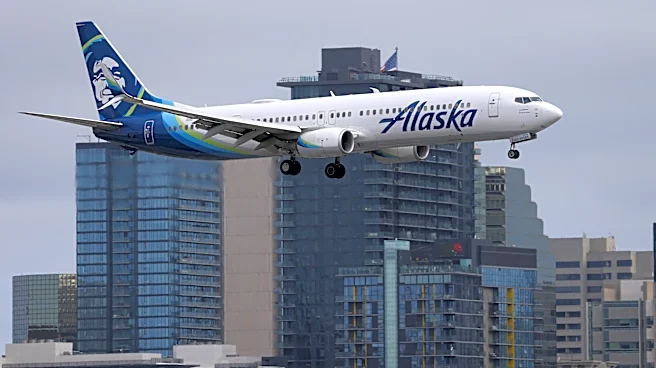
This new tax credit positions Washington as a national leader in sustainable aviation fuel production, offering the strongest set of SAF incentives in the country. The aerospace industry is vital to Washington's economy, supporting numerous jobs and driving innovation. By fostering the SAF industry, the state aims to decarbonize a sector widely considered difficult to clean up, benefiting both the environment and public health. The policy is expected to stimulate economic growth and create clean energy jobs. With global demand for SAF projected to rise significantly by 2050, Washington's proactive approach could give it a competitive edge in a rapidly expanding market. The involvement of major industry players like Alaska Airlines and Boeing, who have voiced support for the initiative, underscores its potential to drive meaningful reductions in aviation's carbon emissions and ensure responsible industry growth.
What's Next?
The tax credit is now active, and its implementation is expected to further incentivize SAF production and adoption within Washington state. Several new SAF startups have already established or are considering establishing facilities in the state due to existing investments and incentives. The ongoing efforts by the Cascadia Sustainable Aviation Accelerator will continue to streamline access to infrastructure, energy, and financial capital for SAF producers. The state's combination of a SAF tax credit and a clean fuel standard, which allows producers to earn revenue for lower greenhouse gas emissions, creates a unique and attractive environment for the industry. This comprehensive approach is anticipated to solidify Washington's role as a leader in sustainable aviation, with continued collaboration between industry, academia, and government to achieve shared environmental and economic objectives.
Beyond the Headlines
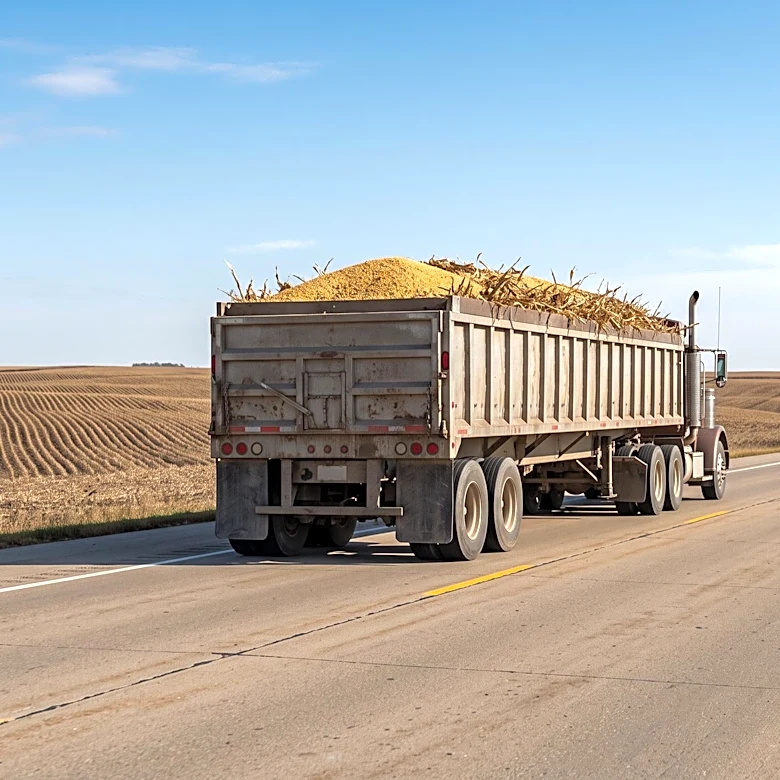
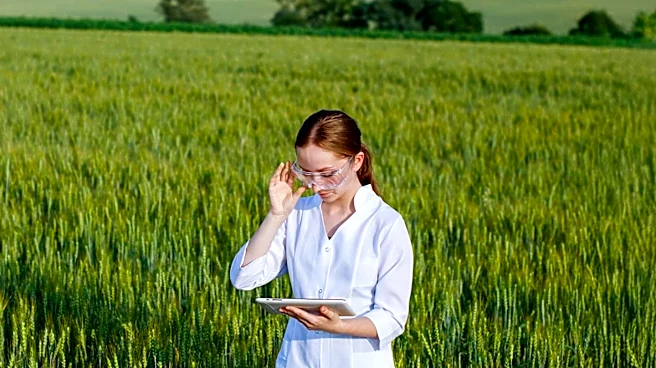
The development of a robust sustainable aviation fuel industry in Washington has broader implications beyond immediate economic and environmental benefits. It highlights a strategic shift towards green technologies in traditionally carbon-intensive sectors, potentially influencing other states and national policy. The focus on SAF, made from sources like agricultural crops, waste products, or synthetic materials, underscores a commitment to circular economy principles and resource efficiency. This initiative also reflects a growing recognition of the need for public-private partnerships to address complex climate challenges. The success of Washington's model could serve as a blueprint for other regions looking to balance industrial growth with environmental stewardship, fostering a new era of sustainable innovation in the aviation sector.