





What's Happening?
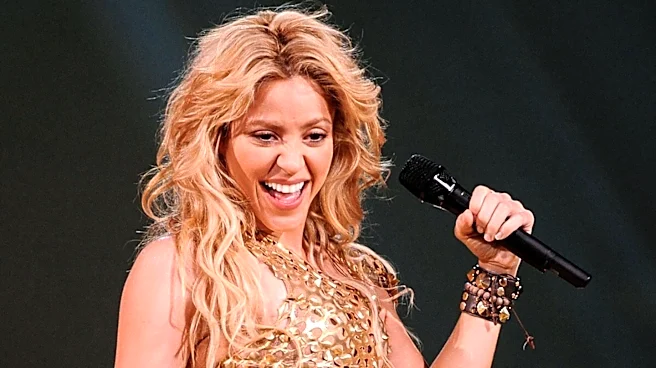
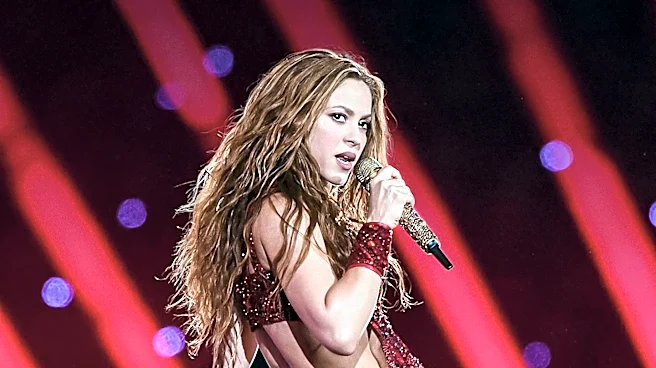
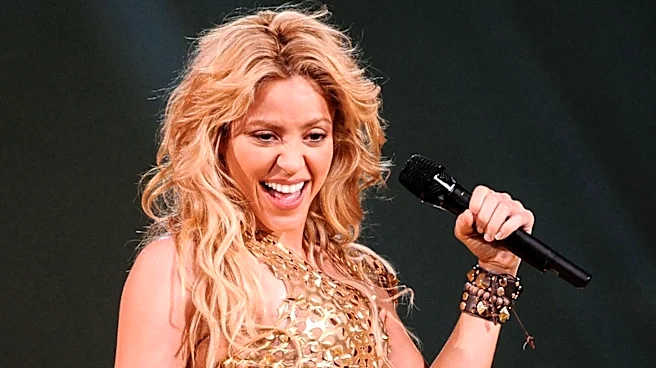
Shakira has announced four concert dates in Brazil for December 2026 and January 2027 as part of her 'Las Mujeres Ya No Lloran World Tour' and the Verão Atmosphere summer concert series. The tour will include performances in Balneário Camboriú on New
Year’s Eve, Cariacica on January 3rd, Salvador on January 6th, and Fortaleza on January 9th. Notably, the schedule excludes Brazil's two largest cities, São Paulo and Rio de Janeiro, which have historically been key stops for her tours. This marks a significant change from her previous visits, including a world tour launch in Rio de Janeiro in February 2025 and a free concert at Copacabana Beach in May 2026 that attracted an estimated two million attendees. Tickets for these new Brazilian concerts will go on sale on November 26th through Fever, with a limited presale starting at 10:00 a.m. Brasília time and general online sales opening at noon.
Why It's Important?
This tour itinerary is significant for Brazilian fans and the local entertainment industry. By bypassing São Paulo and Rio de Janeiro, Shakira is redirecting economic activity and fan engagement to other regions of Brazil. This could boost local economies in cities like Balneário Camboriú, Cariacica, Salvador, and Fortaleza, which typically do not host such high-profile international acts. For fans in São Paulo and Rio, this decision necessitates travel, potentially increasing demand for domestic flights, accommodations, and other tourism-related services in the concert cities. It also highlights a strategic shift in tour planning, possibly aimed at reaching a broader audience base within the country and distributing the economic benefits of major concerts more widely. The success of ticket sales and attendance in these alternative locations will be a key indicator of this strategy's effectiveness.
What's Next?
Following the announcement, the immediate next step is the commencement of ticket sales on November 26th. The demand and sales figures for these concerts will provide an early indication of the tour's reception in the selected cities. Fans in São Paulo and Rio de Janeiro will likely monitor for any potential additional dates, though none have been announced. The tour's progression will also be observed in the context of Shakira's recently announced return to Venezuela, where ticket sales for her Caracas concerts have reportedly faced issues with disorganization and uncertainty. The logistical execution and fan experience in Brazil will be crucial, especially given the shift away from traditional major venues. The tour's impact on local tourism and entertainment sectors in the chosen cities will unfold as the concert dates approach.
Beyond the Headlines
The decision to exclude major cities like São Paulo and Rio de Janeiro from a high-profile international tour could signal a broader trend in the entertainment industry. Artists might increasingly opt for secondary markets to tap into underserved fan bases, reduce venue competition, or explore new logistical and economic models for large-scale events. This approach could democratize access to major concerts, allowing fans outside traditional cultural hubs to experience international acts more easily. However, it also poses challenges for fans in major cities who are accustomed to hosting such events, potentially leading to increased travel costs and logistical hurdles. The success of this strategy could influence future tour planning for other global artists, potentially reshaping the landscape of international concert tours and their economic distribution across host countries.