




What's Happening?
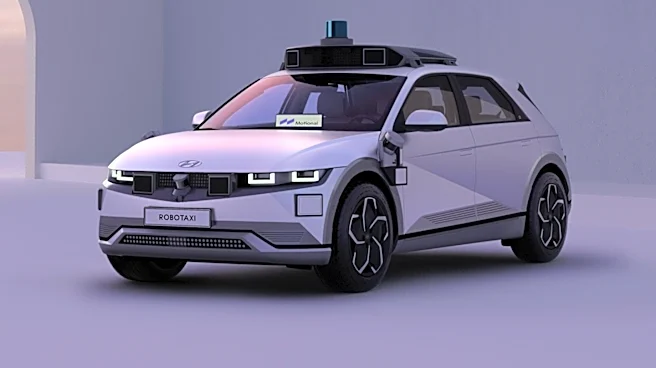
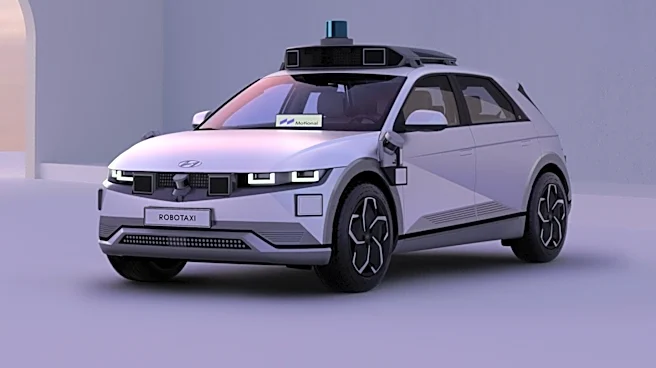
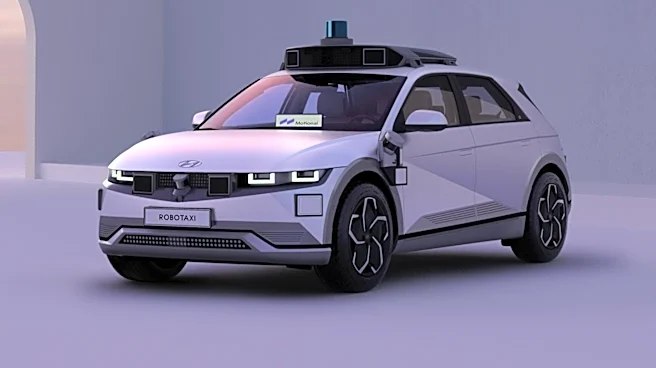
Motional, a company specializing in autonomous vehicle technology and a subsidiary of Hyundai Motor Group, is actively recruiting a Principal Machine Learning Engineer in Boston, Massachusetts. This role is critical for advancing the company's AI and engineering
efforts, focusing on designing, developing, and deploying machine learning models that power intelligent products and data-driven decision-making. The successful candidate will be instrumental in defining the multi-year ML roadmap for Motional's multimodal data-mining platform, Omnitag, which is essential for discovering critical intelligence from petabytes of sensor data. The position requires extensive experience in building scalable ML systems, working with large datasets, and collaborating with software engineers and data teams to integrate new discovery capabilities into the core autonomous vehicle development loop. Motional aims to transform how autonomous vehicles identify rare edge cases, long-tail scenarios, and model errors, ultimately enhancing the safety and reliability of driverless technology.
Why It's Important?
This recruitment highlights the ongoing and intensive investment in artificial intelligence and machine learning within the autonomous vehicle sector, a critical area for the future of U.S. transportation and technology. Motional's focus on a Principal Machine Learning Engineer underscores the complexity and advanced technical expertise required to develop Level 4 autonomous driving technology for commercial ride-hailing applications, a goal set for 2026. The role's emphasis on architecting massive-scale systems and tackling challenging problems, such as applying billion-parameter models to real-world AV logs and optimizing inference latency, demonstrates the cutting edge of AI development. Success in this area could lead to safer roads, more equitable transportation options, and significant economic opportunities in the U.S. by reducing accidents and improving logistical efficiencies. The development of robust, AI-driven autonomous systems is also crucial for maintaining U.S. leadership in technological innovation and competitiveness in the global automotive market.
What's Next?
Motional's immediate next step is to fill this Principal Machine Learning Engineer position, which will be pivotal in shaping the long-term vision for its foundation model post-training ecosystem. The company plans to continue adapting, aligning, and optimizing massive multimodal models for its autonomy stack. This will involve significant technical investments aimed at accelerating edge-case discovery, reducing engineering costs, and improving the final autonomous driving product. The new hire will be expected to lead cross-functional initiatives, bridging Data Mining, Autonomy, and Infrastructure teams to ensure seamless integration of new ML capabilities. Motional's broader objective is to commercialize its Level 4 autonomous driving technology for ride-hailing by 2026, which will require continuous innovation in machine learning and AI to ensure the safety and reliability of its driverless vehicles. The company's ongoing growth and hiring indicate a sustained push towards achieving its commercialization goals.
Beyond the Headlines
The pursuit of advanced machine learning engineers by companies like Motional reflects a broader societal shift towards integrating AI into critical infrastructure, raising profound ethical and legal questions. The development of autonomous vehicles, particularly those capable of Level 4 autonomy, necessitates rigorous ethical frameworks to address decision-making in complex, unpredictable scenarios, such as accident avoidance. Legal frameworks will also need to evolve rapidly to assign liability and regulate the deployment of these technologies. Culturally, the widespread adoption of autonomous vehicles could transform urban planning, public transportation, and individual mobility, potentially reducing car ownership and altering commuting patterns. The emphasis on 'agentic pipelines' and 'RL-driven reasoning systems' in the job description points to a future where AI systems are not just reactive but proactive and capable of complex reasoning, pushing the boundaries of what machines can do and how they interact with the human world.