






What's Happening?
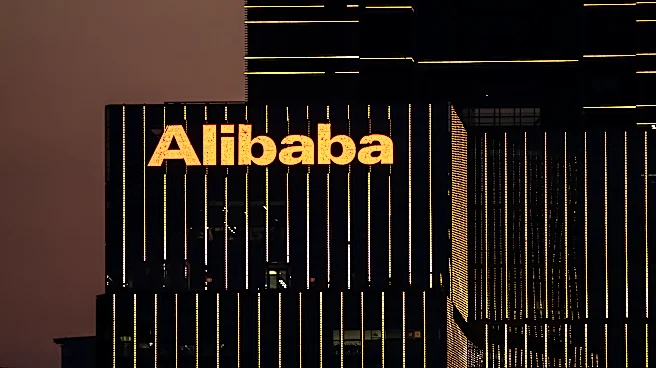
Anthropic, a U.S.-based AI company, is intensifying efforts to prevent Chinese companies from accessing its AI tools, despite having one of the strictest bans among U.S. frontier AI companies. The company discovered that Ant Financial and ByteDance were
using workarounds to access its AI tool, Claude. Ant Financial employees accessed Claude through corporate accounts linked to a Singapore-based entity, while ByteDance allowed engineers to expense personal subscriptions and access them via VPN. These actions breach Anthropic's terms of service but do not violate U.S. or Chinese law. Microsoft has also been implicated in selling API access to Chinese companies through Singapore entities. Anthropic is actively targeting 'transfer station' services that relay requests from mainland China through overseas accounts, although larger Chinese AI groups avoid these due to concerns about data security.
Why It's Important?
This development highlights the ongoing challenges U.S. tech companies face in controlling the distribution and use of their technologies internationally, particularly in regions with strict access restrictions. The situation underscores the complexities of enforcing digital borders in a globalized tech environment. For U.S. companies, maintaining control over their AI tools is crucial to protect intellectual property and comply with national security regulations. The actions by Anthropic reflect broader industry efforts to safeguard AI technologies from unauthorized use, which could have implications for competitive advantage and innovation. The situation also raises questions about the effectiveness of current regulatory frameworks in addressing cross-border technology access and the potential need for more robust international cooperation.
What's Next?
Anthropic is likely to continue refining its detection systems to prevent unauthorized access to its AI tools. The company may also engage with regulatory bodies to explore more stringent measures to enforce its terms of service. Other U.S. tech companies might follow suit, implementing similar restrictions to protect their technologies. The situation could prompt discussions between the U.S. and China regarding technology access and intellectual property rights, potentially influencing future trade negotiations. Additionally, there may be increased scrutiny on companies like Microsoft that facilitate indirect access to restricted technologies.