





What's Happening?
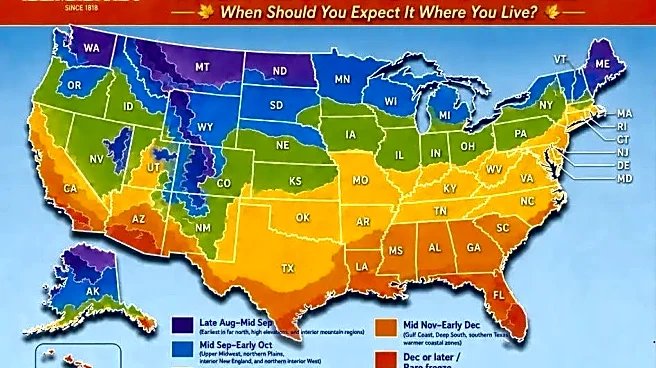
Gardening experts are providing guidance on how to properly care for perennials planted in the fall to ensure their survival through winter and robust growth in the spring. Fall is considered an ideal time for planting perennials due to cooler temperatures
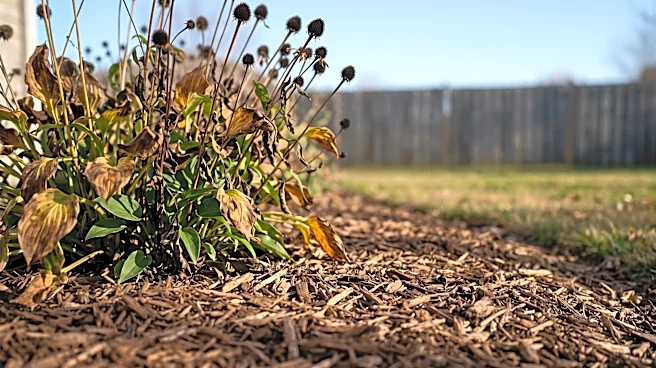
and warm soil, which promotes root establishment. However, specific care practices are crucial for success. Key recommendations include planting zone-hardy perennials early enough to allow root development before winter, maintaining consistent deep watering, and applying a 2- to 3-inch layer of mulch over the root zone. This mulch acts as a temperature regulator, protecting roots from extreme fluctuations and reducing moisture loss. Additionally, experts advise against fertilizing until spring, as this can encourage new growth susceptible to freeze damage. Leaving healthy foliage and seedheads in place over winter can also provide protection and food sources for wildlife.
Why It's Important?
Proper perennial care in the fall is vital for home gardeners and the horticulture industry across the U.S. It directly impacts the success rate of fall plantings, influencing consumer satisfaction and the demand for perennial stock in subsequent seasons. By following expert advice, gardeners can reduce plant loss, leading to more vibrant and sustainable landscapes. This also has economic implications for nurseries and garden centers, as successful overwintering means healthier plants for sale and fewer replacements needed. Furthermore, the emphasis on practices like mulching and appropriate watering promotes water conservation and soil health, aligning with broader environmental sustainability goals. The advice helps gardeners avoid common pitfalls that lead to plant failure, saving time, effort, and financial investment in their gardens.
What's Next?
Gardeners who have planted perennials this fall should continue to monitor soil moisture, especially during prolonged dry periods, and ensure the mulch layer remains adequate. As winter progresses, the focus will shift from establishment to protection against harsh conditions. In spring, the next steps will involve assessing plant health, removing any winter-damaged growth, and beginning a fertilization regimen to support new growth. The success of these fall plantings will become evident as temperatures rise and plants emerge from dormancy, influencing future planting decisions and the types of perennials favored by consumers. Horticultural extension services will likely continue to provide seasonal advice to support gardeners through these transitions.
Beyond the Headlines
The guidance on perennial care extends beyond immediate gardening success, touching upon the psychological benefits of gardening and a deeper connection to nature. For many, tending to plants offers comfort and a restorative activity, particularly during challenging times. The act of nurturing plants through the colder months and anticipating their return in spring can foster a sense of hope and continuity. This connection to the natural world, even in a backyard setting, can contribute to overall well-being. Moreover, the advice to leave seedheads for wildlife highlights an ecological consciousness, encouraging practices that support local ecosystems and biodiversity, transforming gardens into small but significant havens for birds and other creatures.