


What's Happening?
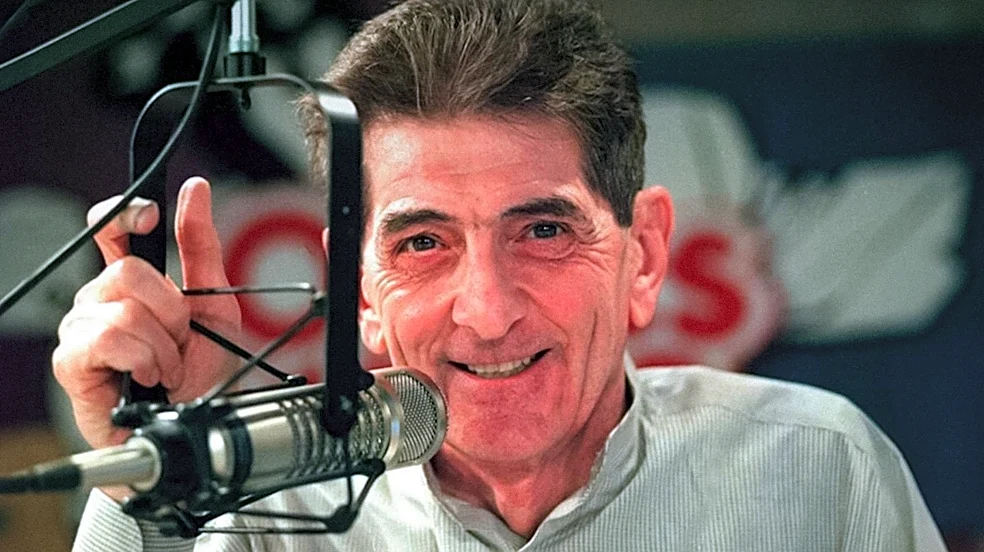
Tommy Hutton, a beloved Miami Marlins broadcaster, has retired after nearly three decades with the team. At 80 years old, Hutton is stepping away from the booth, leaving behind a legacy of memorable calls, strong clubhouse relationships, and fan-favorite
moments. Known for his insightful commentary and approachable demeanor, Hutton was a familiar presence at the ballpark, often seen gathering information during batting practice and engaging with players and staff. His broadcast partners, including Rich Waltz and Paul Severino, and longtime producer John Selser, all noted that Hutton would most miss the relationships and camaraderie he built over the years. Hutton himself confirmed this, stating that he would miss 'hanging around, talking to people at the ballpark, not only talking baseball, just about other stuff.' His career in baseball spans 60 years, beginning with his Major League debut in 1966 and transitioning into broadcasting after his playing career.
Why It's Important?
Tommy Hutton's retirement marks the end of an era for Miami Marlins baseball and its fanbase. For nearly three decades, Hutton served as a consistent and trusted voice, guiding fans through both the franchise's World Series victories and its more challenging years. His ability to blend passionate support for the team with honest analysis resonated deeply with listeners, creating a unique connection between the broadcast booth and the community. His departure highlights the significant role that long-serving broadcasters play in shaping a team's identity and fostering fan loyalty. Hutton's influence extended beyond mere play-by-play, as he became a cultural touchstone for generations of Marlins fans, making his absence a notable shift in the team's media landscape. His legacy underscores the importance of authentic and knowledgeable voices in sports broadcasting, particularly in building and maintaining a strong fan base.
What's Next?
With Tommy Hutton's retirement, the Miami Marlins broadcasting team will undergo a significant transition. While Hutton may still make occasional appearances, the primary responsibility for calling games will fall to the remaining broadcasters, such as Kyle Sielaff, who now occupies the booth Hutton once called home. The team will need to ensure a seamless transition to maintain the quality and connection with fans that Hutton helped establish. This period will likely involve new dynamics and styles in the broadcast, as the team moves forward without one of its most iconic voices. The challenge will be to honor Hutton's legacy while forging a new identity for the broadcast that continues to engage and inform the Marlins' audience. Fans will be watching to see how the new broadcast team evolves and whether it can capture the same blend of insight and camaraderie that Hutton provided.
Beyond the Headlines
Tommy Hutton's career trajectory, from a Major League player to a respected broadcaster, illustrates the diverse paths individuals can take within professional sports. His dedication to learning the craft of broadcasting, even practicing in an empty booth, highlights the commitment required to excel beyond one's initial field. His ability to remain current and engage with younger humor and pop culture, despite his age, speaks to a rare adaptability and openness that allowed him to connect with a broad audience. This aspect of his career offers a valuable lesson in lifelong learning and staying relevant in a constantly evolving industry. Furthermore, his role as an advocate for the Marlins, even when critiquing their play, demonstrates the complex relationship between broadcasters and the teams they cover, balancing objectivity with loyalty. His story is a testament to the enduring power of passion and connection in sports.