




What's Happening?
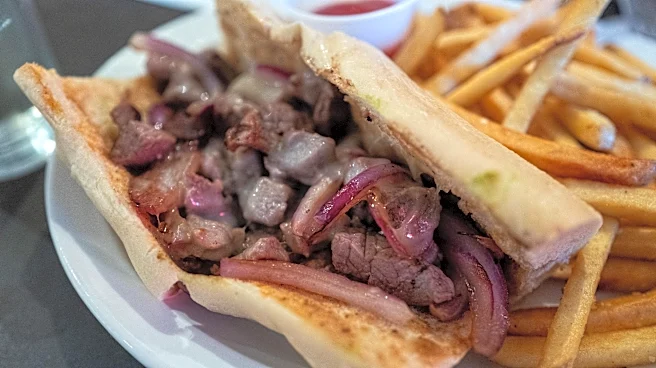
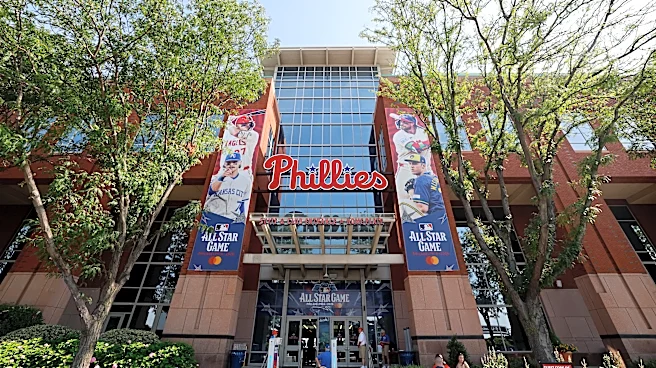
In Philadelphia, a unique culinary tradition has emerged within the visiting clubhouse of Citizens Bank Park, where MLB players and staff engage in an informal cheesesteak-eating contest. This quirky competition began in the early 2000s when a Detroit
Tigers All-Star consumed 11 cheesesteaks over a three-game series, sparking a tradition that continues today. The cheesesteaks, made with fresh local ingredients, have gained a reputation as some of the best in the city, attracting players and coaches eager to set new records. The story highlights the cultural significance of cheesesteaks in Philadelphia and the playful spirit of competition among MLB teams.
Why It's Important?
This tradition underscores the cultural impact of food in sports, particularly in a city like Philadelphia, where cheesesteaks are a culinary icon. The contest not only fosters camaraderie among players but also highlights the intersection of sports and local culture. For Philadelphia, this adds to the city's identity and tourism appeal, drawing attention to its culinary offerings. For MLB, it represents a lighthearted aspect of the sport that contrasts with the competitive nature of baseball, offering a glimpse into the personal lives and traditions of players.
What's Next?
As the tradition continues, it may inspire similar culinary competitions in other MLB cities, further integrating local culture into the sports experience. The ongoing popularity of the contest could lead to increased media coverage and fan engagement, potentially influencing how teams and stadiums incorporate local cuisine into their offerings. Additionally, the story of the Japanese couple winning a cheesesteak competition in Philadelphia highlights the global reach of this culinary tradition, suggesting potential for international interest and cultural exchange.
Beyond the Headlines
The cheesesteak contest reflects broader themes of tradition and community within sports. It illustrates how informal rituals can enhance the cultural fabric of a sport, creating shared experiences that transcend the game itself. This phenomenon also raises questions about the role of food in sports marketing and fan engagement, as well as the potential for such traditions to influence perceptions of a city's cultural identity.