





What's Happening?
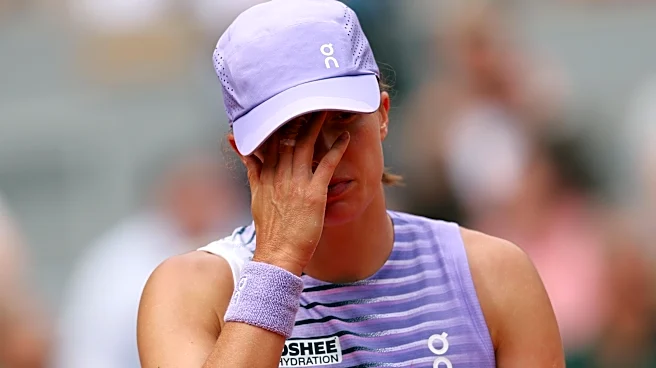
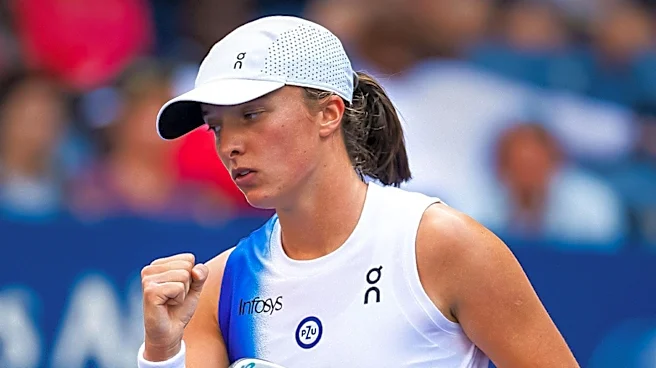
Iga Swiatek, the world No. 9 tennis player, has stated that criticism from journalists affects her more deeply than comments from fans. Swiatek, a six-time Grand Slam singles champion and former world No. 1 for 125 weeks, expressed her view on the 'What’s
the Point?' podcast. She believes that journalists, whom she described as 'mean and judgy,' create opinions that fans may subsequently adopt, leading to what she terms 'false narratives.' Swiatek noted that while she understands fan disappointment over early losses, she finds it 'quite painful' when individuals presumed to be experts in the sport make overly critical remarks, especially if they lack direct experience on tour. Her 2026 season concluded in October after reaching the semi-finals of the WTA 1000 Wuhan Open. She subsequently withdrew from the Ningbo Open and Pan Pacific Open, opting to end her season early rather than attempting to qualify for the WTA Finals. This decision marks her first season without a Grand Slam title since 2021, and her current ranking of ninth is her lowest year-end finish in five years.
Why It's Important?
Swiatek's comments highlight the significant impact media scrutiny can have on professional athletes, particularly in individual sports like tennis. Her distinction between fan and journalist criticism underscores a perceived difference in credibility and influence. When athletes feel that media narratives are misinformed or unfairly critical, it can affect their mental well-being and public perception. For the tennis world, this perspective from a top player could spark discussions about the role and responsibility of sports journalism. It also sheds light on the pressures faced by elite athletes, even those with extensive success, when navigating periods of perceived underperformance. The early conclusion of her season, coupled with her candid remarks, suggests a strategic focus on mental and physical recovery, aiming to reset expectations and performance for the upcoming year. This approach could influence how other athletes manage their seasons and engage with media.
What's Next?
Iga Swiatek is scheduled to return to WTA Tour action in early January at the Brisbane International, a WTA 500 event. She has chosen to compete there instead of representing Poland at the United Cup, an event she has regularly participated in and won with the Polish team in 2026. Following her appearance in Brisbane, Swiatek will compete at the Australian Open, where she aims to secure her seventh Grand Slam title and complete a Career Grand Slam. Her decision to end the 2026 season early and focus on preparation for the Australian swing indicates a clear strategy to regain top form and contend for major titles. The upcoming tournaments will be crucial in assessing her mental and physical readiness and her ability to overcome the challenges of her previous season, as well as the impact of her expressed concerns about media criticism.
Beyond the Headlines
Swiatek's remarks about journalistic criticism touch upon broader themes of media ethics and the athlete-media relationship in professional sports. Her concern about 'false narratives' created by journalists influencing fan perception points to the power of media in shaping public opinion and potentially affecting an athlete's brand and emotional state. This situation could prompt a re-evaluation of how sports media covers athletes, particularly during periods of fluctuating performance. It also highlights the increasing transparency athletes are bringing to their mental health and the pressures they face, moving beyond the traditional stoic athlete persona. The long-term implications could include athletes becoming more selective about media engagements or advocating for more nuanced and informed sports commentary. This shift could lead to a more critical audience for sports journalism and a greater demand for expertise and empathy in reporting.