









What's Happening?
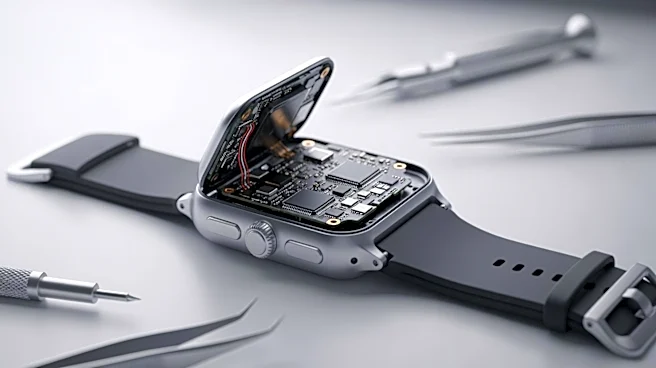
A CNET photographer has detailed the intricate process of capturing macro shots for a feature story on the repairability of wearable devices, specifically the Pixel Watch 4. The photographer employed a technique known as focus stacking, which involves
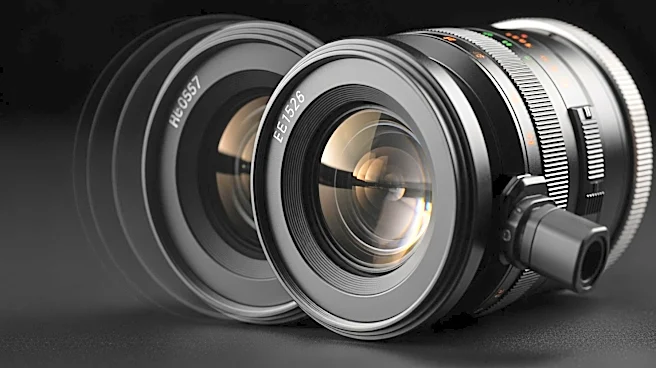
taking multiple images with varying focus points and combining them to achieve a perfectly sharp final image. This process required the use of specialized equipment, including a Canon R5 camera and a DZO Films X-Tract probe lens, to capture dramatic close-up images. The photographer also used various lighting techniques and post-processing in Adobe Photoshop to enhance the images. The effort was part of a larger feature that included both still images and video content, showcasing the detailed work involved in product and macro photography.
Why It's Important?
The use of advanced photography techniques like focus stacking highlights the growing importance of high-quality visual content in digital media. As consumers increasingly rely on online platforms for information, the demand for visually engaging and informative content has risen. This development is significant for industries such as technology and media, where detailed product imagery can influence consumer perceptions and purchasing decisions. The photographer's work not only enhances the storytelling aspect of the feature but also sets a standard for visual excellence in tech journalism. This approach can benefit media outlets by attracting more readers and viewers, ultimately impacting advertising revenue and audience engagement.
What's Next?
The success of this feature may encourage other media outlets to invest in similar high-quality visual content, potentially leading to a broader adoption of advanced photography techniques in journalism. As technology continues to evolve, photographers and media professionals may explore new tools and methods to enhance their storytelling capabilities. This could include the integration of emerging technologies such as AI-driven image processing and virtual reality, offering audiences more immersive and interactive experiences. Additionally, the focus on repairability in tech products, as highlighted in the feature, may influence consumer preferences and drive manufacturers to prioritize sustainable design practices.
Beyond the Headlines
The emphasis on repairability in the feature story reflects a growing consumer interest in sustainable and environmentally friendly products. As awareness of electronic waste and its environmental impact increases, consumers are likely to demand more repairable and durable products. This shift could lead to changes in manufacturing practices and regulatory policies, encouraging companies to design products with longer lifespans and easier repairability. The feature also underscores the role of media in shaping public discourse around sustainability and influencing industry trends.