





What's Happening?
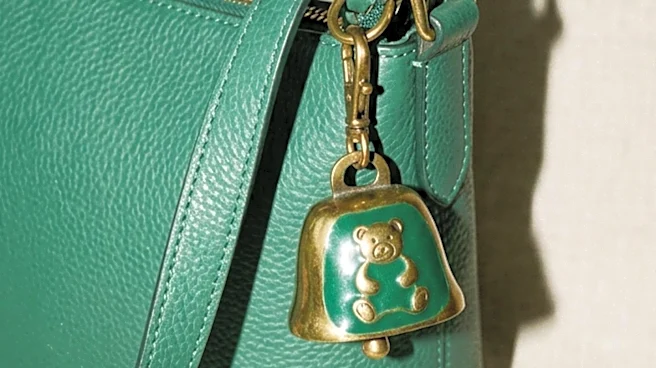
Initial bag charms are small, letter-shaped accessories designed to personalize handbags, totes, backpacks, and keyrings. These charms typically attach to existing hardware like D-rings, zipper pulls, or the base of top handles, rather than directly to the leather
of the bag, to prevent damage. They come in various styles, including beaded, sparkle, and novelty designs, allowing for diverse aesthetic choices. Fasteners commonly include lobster clasps for easy transfer between bags or split rings for a more secure, permanent attachment. Beyond personalization, some bag charms can also function as keychains. The choice of charm style, such as a pearl-beaded 'A' or a rhinestone-studded 'H' with a heart, allows individuals to express their personality and complement their bag's design. Matching the charm's metal tone to the bag's hardware and considering the charm's weight for appropriate attachment points are recommended practices.
Why It's Important?
The rise of initial bag charms highlights a growing trend in personalized accessories, allowing consumers to customize mass-produced items and express individual style. This trend is significant for the fashion and retail industries, as it creates a market for small, affordable add-ons that can boost sales and customer engagement. For consumers, these charms offer an accessible way to refresh existing bags or add a unique touch without investing in entirely new accessories. The emphasis on attaching charms to hardware rather than leather also underscores a practical concern for product longevity and care, influencing design and usage recommendations. The versatility of these charms, doubling as keychains, further expands their market appeal and utility, catering to a broader range of consumer needs for both fashion and function.
What's Next?
The market for personalized accessories, including initial bag charms, is expected to continue evolving with new designs and materials. Manufacturers may explore more sustainable or unique handcrafted options, such as hand-sculpted and hand-painted charms with vintage upcycled elements, as seen with some current offerings. The integration of advanced fastening mechanisms that are both secure and easy to use could also be a focus. Retailers might expand their customization services, offering a wider array of letter styles, colors, and materials to cater to diverse consumer preferences. Furthermore, the trend could see an increase in collaborative designs between charm makers and handbag brands, creating exclusive collections that further blend personalization with high fashion.
Beyond the Headlines
The popularity of initial bag charms reflects a broader cultural shift towards individual expression and customization in consumer goods. In an era of mass production, these small accessories provide a sense of uniqueness and personal ownership, allowing individuals to differentiate themselves through subtle yet meaningful details. This trend also touches upon the psychological aspect of attachment to personal items, where a charm can imbue an object with sentimental value or a narrative. Ethically, the sourcing of materials and the labor practices involved in producing these charms, especially those with intricate designs or upcycled components, could become a point of interest for conscious consumers. The longevity and reusability of these charms, as opposed to fast fashion accessories, also contribute to discussions around sustainable consumption within the fashion industry.