




What's Happening?
SK Hynix has announced a 50% increase in its capital expenditures, reaching at least $31 billion, to meet the strong demand for its memory chips amid the AI boom. This announcement comes as semiconductor stocks, including those in the Philadelphia Semiconductor
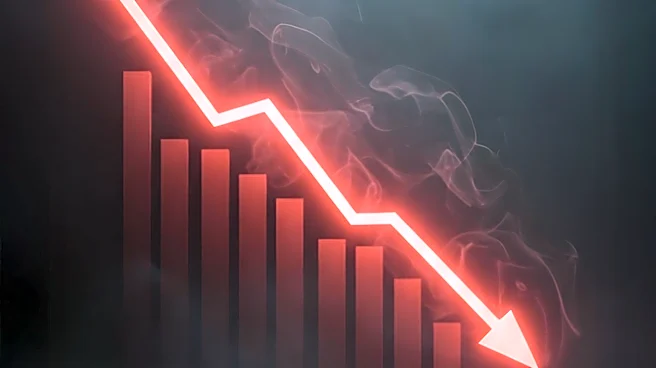
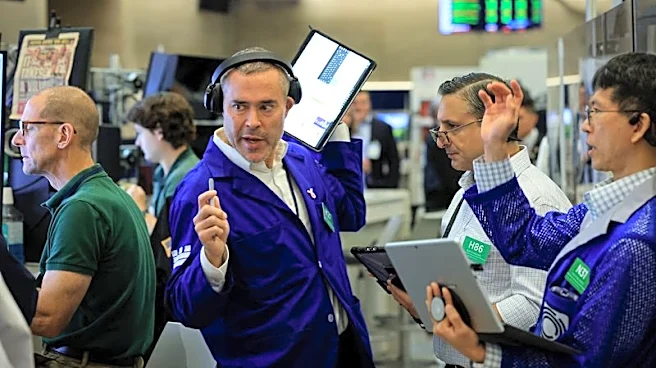
Index, experience a significant downturn. The index has declined by 18.9% in July, marking its largest monthly loss since 2008. The decline in semiconductor stocks is attributed to concerns over the sustainability of the AI spending boom and rising competition from China. Despite the increased investment, SK Hynix's stock has faced a rout, reflecting broader market challenges.
Why It's Important?
The increase in SK Hynix's capital expenditures underscores the intense demand for memory chips driven by AI applications. However, the broader decline in semiconductor stocks highlights investor concerns about the potential overheating of the AI market and increased competition. This situation reflects the volatility and uncertainty in the semiconductor industry, which is critical for technological advancements and economic growth. The performance of semiconductor stocks is closely watched as an indicator of the health of the tech sector and its ability to sustain growth amid changing market dynamics.
What's Next?
The semiconductor market is likely to remain volatile as investors assess the sustainability of the AI-driven demand and the impact of increased competition. Companies like SK Hynix may continue to invest heavily in expanding their production capabilities to meet demand, but they will also need to navigate market uncertainties. The performance of semiconductor stocks will depend on the balance between supply and demand, as well as the ability of companies to adapt to competitive pressures. Investors will be closely monitoring developments in the AI sector and the broader tech industry for signs of stabilization.