





What's Happening?
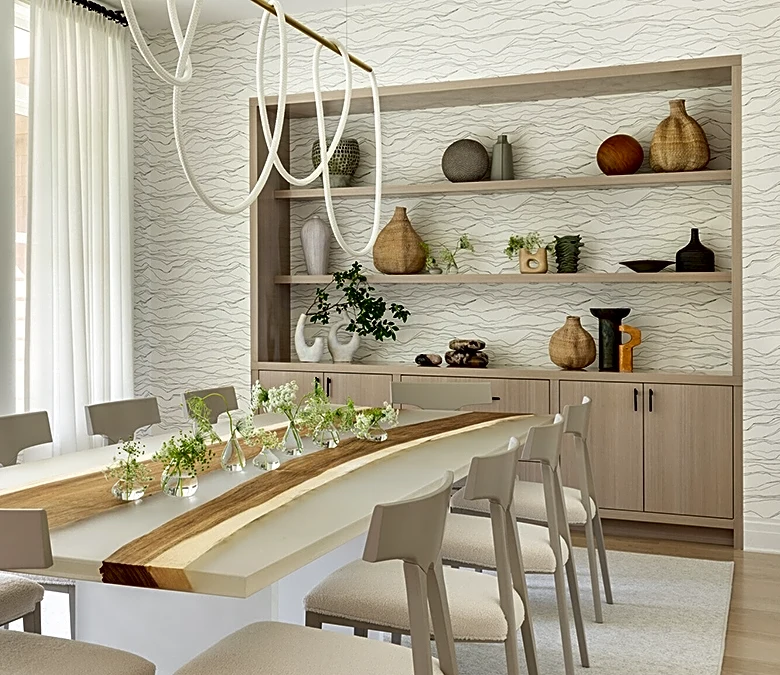
Interior designers are increasingly promoting the 'unfitted' kitchen style, a trend that moves away from traditional wall-to-wall built-in cabinetry towards individual, freestanding furniture pieces. This approach, popular in England, allows for a mixed-and-matched
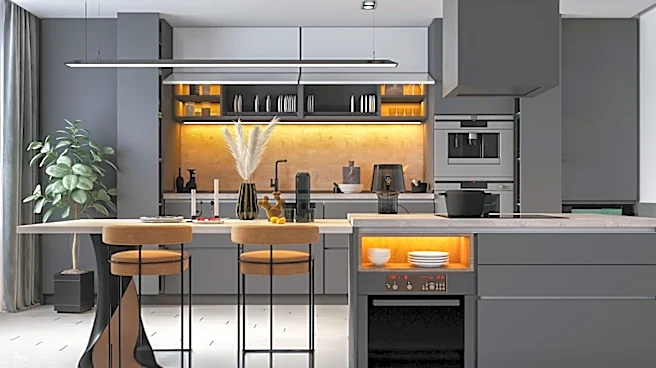
aesthetic, creating a homey and unique look. Designers like Erica Harrison of Hudson & Sterling and Claire Zinnecker of Claire Zinnecker Design note a shift from the previously dominant clean, white, and sleek kitchen designs to a preference for warmth, craft, and personal history. The 'unfitted' style celebrates imperfection and offers flexibility, as pieces can be rearranged or upgraded more easily than fixed cabinetry. Key elements to achieve this look include open shelving, wall-mounted pot racks, brass and bronze hardware that patinas over time, rolling butcher block carts, and using kitchen tables instead of fixed islands. Freestanding hutches and pantries also contribute to this aesthetic, providing statement storage pieces.
Why It's Important?
This design shift reflects a broader cultural movement towards personalization, sustainability, and a rejection of mass-produced, uniform aesthetics in home decor. For consumers, it offers an opportunity to create more unique and adaptable living spaces without the significant investment and permanence of a full kitchen renovation. The emphasis on antique or vintage-inspired pieces and materials that show age aligns with a growing appreciation for craftsmanship and items with a story, potentially boosting markets for antique furniture and specialized hardware. Economically, this trend could influence manufacturing and retail sectors, shifting demand from integrated kitchen systems to modular furniture and decorative elements. It also empowers homeowners to incrementally update their kitchens, making design more accessible and less financially daunting, while fostering a sense of individuality in residential interiors across the U.S.
What's Next?
The 'unfitted' kitchen trend is expected to continue gaining traction, influencing home decor retailers and furniture manufacturers to offer more modular, freestanding, and vintage-inspired kitchen components. Consumers will likely see an increase in product availability for items such as decorative open shelving, diverse pot rack designs, and kitchen tables designed to function as prep spaces. Interior designers will continue to integrate these elements into their projects, further popularizing the style. We may also see a rise in DIY and upcycling projects as homeowners seek to personalize their kitchens with unique, aged pieces. The trend could also lead to innovations in kitchen appliance design, with manufacturers potentially creating more aesthetically pleasing, freestanding units that complement the 'unfitted' look, moving away from purely integrated designs.
Beyond the Headlines
Beyond its aesthetic appeal, the 'unfitted' kitchen trend signifies a deeper psychological shift in how people view their homes. It challenges the notion of a kitchen as a purely functional, sterile space, instead elevating it to a central, lived-in area that reflects personal history and evolving tastes. This approach encourages a more sustainable mindset by valuing longevity and adaptability over disposable trends, as furniture can be moved or repurposed rather than discarded. Ethically, it promotes conscious consumption by favoring items with character and craftsmanship, potentially reducing the environmental impact associated with frequent, large-scale renovations. Culturally, it fosters a sense of nostalgia and connection to traditional home values, creating spaces that feel authentic and comforting in an increasingly fast-paced world.