




What's Happening?
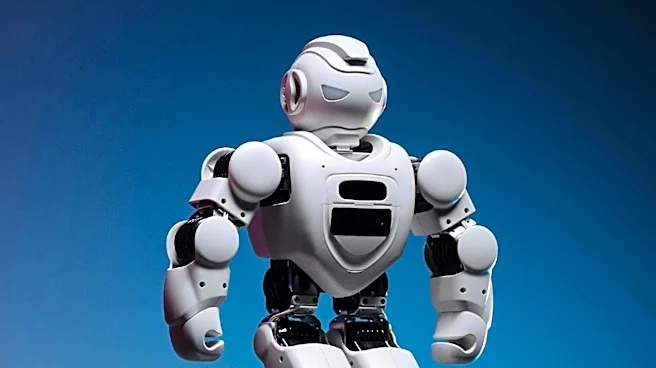
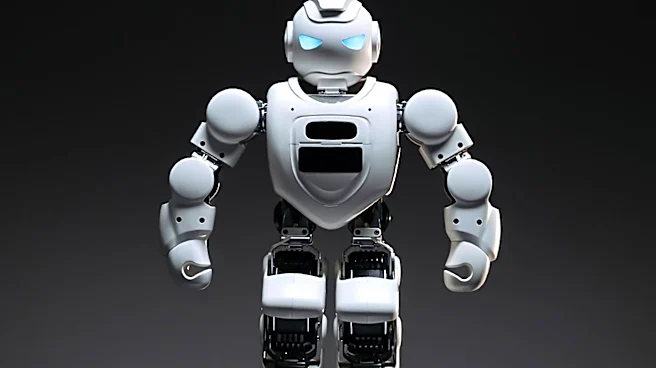
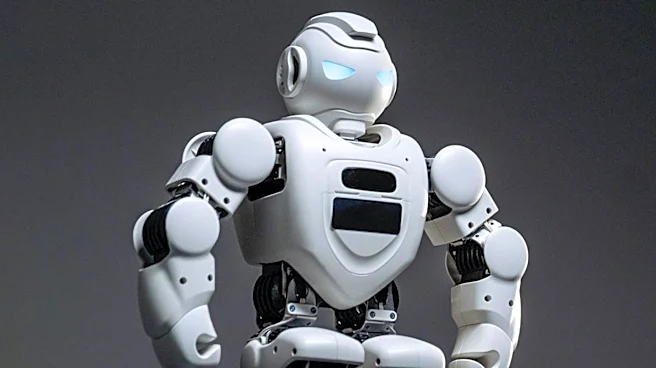
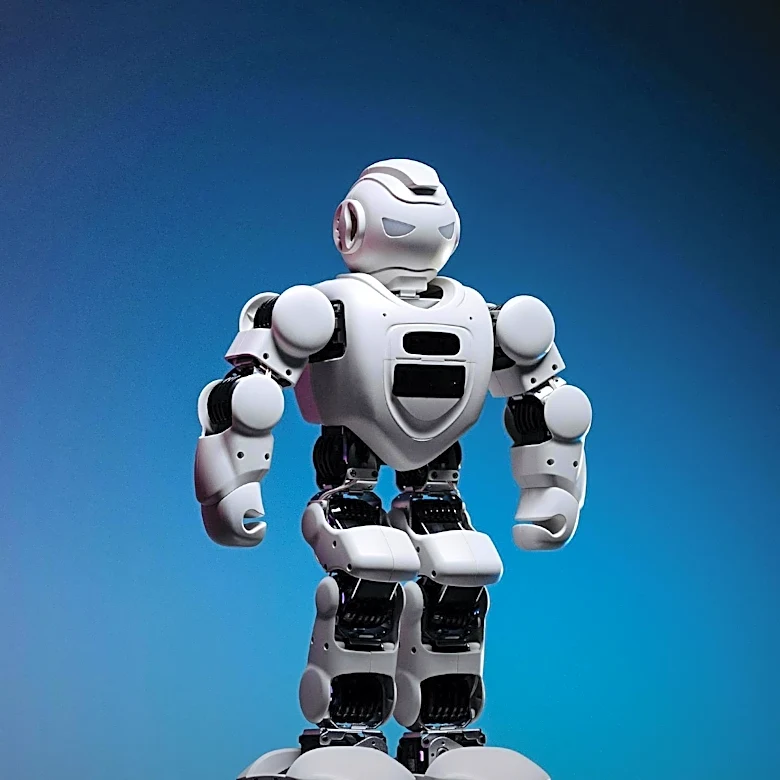
Tokyo-based O-ID has successfully raised $1.2 million in pre-seed funding to develop modular humanoid robots for industrial manufacturing and logistics. The funding round was led by Chicago-based TAWANI Ventures, with additional participation from Hustle
Fund, Techstars, and angel investors. O-ID plans to utilize these funds to transition its first robot from prototype to production, with initial deployment targeted for Japanese factory floors. The company's robots are designed to be modular, facilitating mass production, easy repairs, and integration into existing factory layouts without requiring extensive rebuilding. They feature hot-swappable components like joints, limbs, and compute units, allowing for quick on-site replacements. Onboard AI sensors monitor component wear to predict and flag potential failures, enabling proactive replacement before downtime occurs. This approach contrasts with traditional industrial robots, which are often rigid and costly to integrate or repair, with a single component failure potentially leading to months of downtime. O-ID has also filed a provisional U.S. patent for its modular connector technology and is in discussions with Sumitomo Electric Industries regarding the use of their wire harness technologies in humanoid robots.
Why It's Important?
This development is significant for the U.S. manufacturing sector, which faces a projected shortage of 3.8 million workers by 2033, with up to 1.9 million jobs potentially going unfilled. O-ID's modular humanoid robots offer a potential solution to this labor gap by working alongside human employees to maintain supply chain stability and industrial productivity. The investment from a U.S.-based firm like TAWANI Ventures highlights American interest in leveraging advanced robotics to address domestic manufacturing challenges. While O-ID's initial markets are in Japan, the company explicitly states its intention to expand into the U.S. and has designed its robots to meet the requirements of the U.S. National Defense Authorization Act, indicating a strategic focus on the American market. The ability to quickly repair and integrate these robots could reduce operational costs and increase efficiency for U.S. manufacturers, mitigating the economic impact of labor shortages and supply chain disruptions. The modular design also suggests a more adaptable and scalable robotics solution compared to existing technologies, which could accelerate the adoption of automation in various U.S. industries.
What's Next?
O-ID will focus on moving its first robot from prototype to production and deploying it in Japanese factories. Following successful implementation in Japan, the company plans to expand its operations into other industries and eventually into the U.S. market. The ongoing discussions with Sumitomo Electric Industries could lead to further technological advancements and supply chain partnerships, potentially enhancing the robots' capabilities and production efficiency. The company's adherence to U.S. National Defense Authorization Act requirements suggests a clear pathway for future U.S. market entry and potential government contracts. The success of O-ID's modular approach could influence the broader robotics industry, encouraging other developers to adopt similar strategies for design, manufacturing, and maintenance. As the global labor shortage continues to be a pressing issue, particularly in manufacturing, the deployment and expansion of such robotic solutions will be closely watched by industries and policymakers alike.
Beyond the Headlines
The rise of modular humanoid robots like those developed by O-ID represents a deeper shift in how industries approach automation and labor. Beyond simply replacing human workers, these robots are designed to augment existing workforces and address critical skill gaps, particularly in aging populations like Japan and increasingly in the U.S. The emphasis on modularity and easy repairability could democratize access to advanced robotics, making automation more feasible for small and medium-sized enterprises that might otherwise be deterred by high costs and complex maintenance. This technology also raises ethical considerations regarding the future of work, the need for workforce retraining, and the potential for job displacement, even as it aims to fill labor shortages. The development of AI-native, adaptable platforms signifies a move towards more intelligent and versatile robotic systems, capable of learning and adapting to diverse industrial environments. This could lead to a redefinition of human-robot collaboration, where robots handle repetitive or hazardous tasks, allowing human workers to focus on more complex and creative roles, ultimately reshaping the industrial landscape and the nature of employment.