








What's Happening?
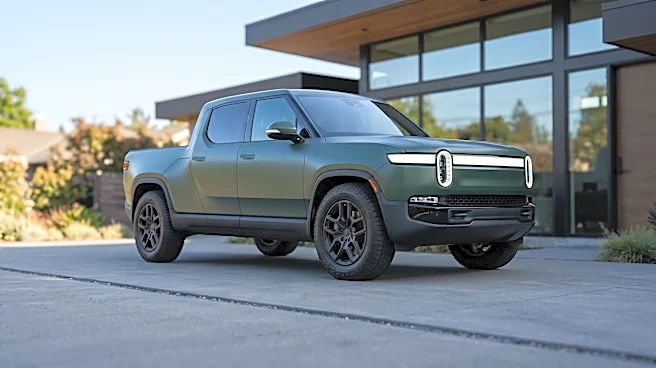
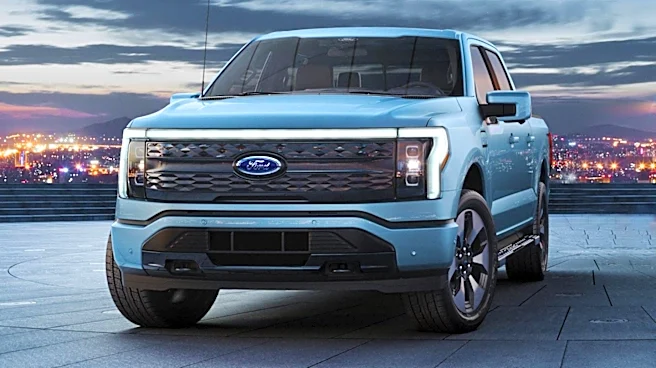
During Ford's third-quarter 2026 earnings call, CEO Jim Farley lauded the upcoming $28,000 Fathom EV pickup, stating it exceeded his expectations after a personal test drive. He highlighted its rapid acceleration, spacious interior, and hands-free advanced
driver assistance system, calling it a 'breakthrough product.' The Fathom EV is currently undergoing testing in Louisville, Kentucky, and remains on schedule for a fourth-quarter launch next year. Farley emphasized that the Fathom, with its sub-$30,000 MSRP and low ownership costs, is designed to be accessible to more Americans and is 'perfect for today's market.' Additionally, Farley provided updates on Ford's energy storage initiatives, confirming the company is on track to activate 20 gigawatt hours of annual capacity by the end of next year. He noted strong demand and encouraging commercial progress, with 80% of Ford's energy storage capacity covered by late-stage negotiations and executed contracts. The initial focus for energy storage is on US-manufactured, grid-scale batteries for power infrastructure and data centers, with trial runs for prismatic LFP battery cell production already completed.
Why It's Important?
The introduction of an affordable EV pickup like the Fathom, priced below $30,000, could significantly disrupt the U.S. automotive market by making electric vehicles more accessible to a broader consumer base. This move by Ford directly addresses a key barrier to EV adoption—cost—and positions the company to capture a larger share of the market, particularly in the highly competitive truck segment. The Fathom's ability to support bidirectional power flow, potentially supplying a home with over 10 kW of AC power, also adds significant value and utility, appealing to consumers seeking energy independence or backup power solutions. Furthermore, Ford's aggressive expansion into energy storage, targeting 20 gigawatt hours of annual capacity, signals a strategic diversification beyond traditional vehicle manufacturing. This initiative is crucial for supporting the growing demand for grid-scale batteries in the U.S., particularly for power infrastructure and data centers. By focusing on US-manufactured solutions, Ford is not only contributing to domestic job creation and technological advancement but also strengthening the national energy infrastructure, which has implications for energy security and reliability.
What's Next?
The Fathom EV pickup is slated for launch in the fourth quarter of next year, with a pre-order program expected to commence in the first quarter. Further details regarding its full capabilities and pricing tiers are anticipated at its official reveal. Ford expects its 2028 energy storage capacity to be fully committed by the first quarter of next year, indicating continued progress in securing customers and expanding its presence in the energy sector. The company will continue to prepare manufacturing capacity and secure customers for its US-manufactured, grid-scale batteries. Ford's ongoing trials for prismatic LFP battery cell production, using processes identical to its Marshall, Michigan plant, suggest a steady ramp-up in battery manufacturing capabilities. The company's financial performance, with third-quarter earnings exceeding analyst estimates and a 25% improvement in the Model e unit's EBIT loss, indicates a positive trajectory that could support these ambitious plans. Investors and consumers will be watching for the Fathom's market reception and the continued growth of Ford's energy storage division.
Beyond the Headlines
Ford's strategic moves with the Fathom EV and its energy storage initiatives reflect a broader industry shift towards electrification and sustainable energy solutions. The Fathom's affordability and bidirectional power capabilities could redefine consumer expectations for electric vehicles, pushing competitors to innovate in both pricing and functionality. This could accelerate the transition away from internal combustion engine vehicles, impacting the entire automotive supply chain and related industries. On the energy front, Ford's commitment to US-manufactured grid-scale batteries highlights a growing trend of domestic production in critical technology sectors, driven by economic incentives and national security concerns. This could foster a more resilient and self-sufficient energy landscape in the U.S., reducing reliance on foreign supply chains. The integration of vehicle-to-grid (V2G) technology, as hinted by the Fathom's bidirectional power, also opens up possibilities for electric vehicles to become active participants in energy management, potentially stabilizing grids and offering new revenue streams for vehicle owners. This convergence of automotive and energy sectors could lead to novel business models and infrastructure developments in the coming years.