








What's Happening?
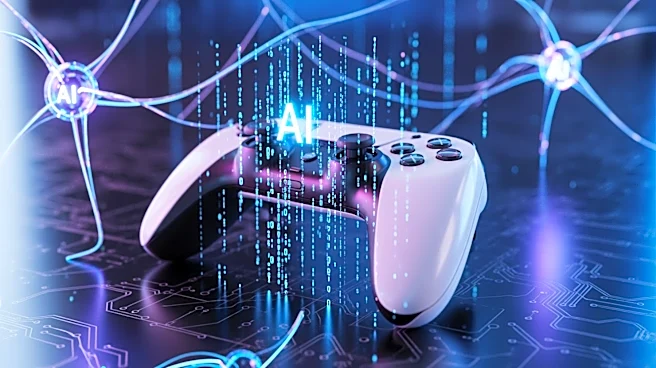
Steam, a leading digital distribution platform for video games, saw the release of over 300 new games in a single week, with 120 of these titles featuring AI disclosures. This trend highlights the increasing use of AI in game development, where AI-generated
content is being utilized for various elements such as artwork, sound, and story. Some games, like 'Android Who Dreams of Stars' and 'My Summer Love Memories,' rely heavily on AI for their creation, raising questions about the quality and originality of such content. The use of AI in game development is not limited to small developers; it is becoming a common practice across the industry, with AI being used for tasks ranging from translation to creating store page assets.
Why It's Important?
The integration of AI in game development represents a significant shift in the industry, potentially reducing costs and speeding up production times. However, it also raises concerns about the impact on jobs traditionally held by human artists and writers. The reliance on AI-generated content could lead to a decrease in the quality and originality of games, as well as ethical concerns about the transparency of AI's role in the creative process. This trend could reshape the gaming industry, influencing how games are developed, marketed, and consumed.
What's Next?
As AI continues to play a larger role in game development, there may be increased scrutiny and regulation regarding its use. Developers might face pressure to disclose the extent of AI involvement in their games, and consumers may demand more transparency. The industry could also see a push for standards and guidelines to ensure that AI-generated content meets certain quality benchmarks. Additionally, there may be a growing market for games that emphasize human creativity and originality as a counterbalance to AI-driven productions.