



What's Happening?
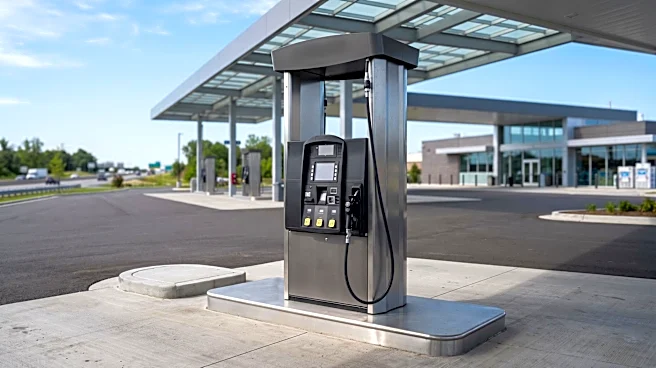
7-Eleven, a wholly owned subsidiary of the Tokyo-listed Seven & i Holdings company since 2005, has significantly expanded its gas station operations in the United States through strategic acquisitions. The company acquired its first Stripes locations
in 2018, completing the purchase of the remaining Stripes locations in 2024. Following this, 7-Eleven also acquired Speedway in 2021. These acquisitions have bolstered 7-Eleven's combined gas station network to over 8,200 locations nationwide. The company's history in fuel sales dates back to 1928, just a year after its predecessor, Tote'm Stores, opened its first convenience location. This expansion reflects a long-term strategy of growth and market penetration in the convenience and fuel retail sectors.
Why It's Important?
This expansion by 7-Eleven is significant for the U.S. retail fuel market, as it consolidates a substantial portion of gas station brands under a single, large entity. For consumers, this could mean increased standardization of offerings, loyalty programs, and potentially competitive pricing across a wider geographic area. For franchisees, aligning with a recognized brand like 7-Eleven, Stripes, or Speedway offers brand prestige and access to an established network. The consolidation also impacts the competitive landscape, potentially making it more challenging for smaller, independent gas station operators to compete. The move underscores the value of convenience store integration with fuel services, a model that has proven successful in attracting and retaining customers.
What's Next?
The integration of Stripes and Speedway into 7-Eleven's operational framework will likely continue, focusing on optimizing supply chains, standardizing customer experiences, and leveraging economies of scale. Consumers can expect to see more unified branding and loyalty programs across these acquired locations. Competitors in the convenience store and fuel station sectors may respond by enhancing their own offerings, exploring similar acquisition strategies, or focusing on niche markets to maintain their competitive edge. Further expansion through organic growth or additional acquisitions remains a possibility for 7-Eleven as it seeks to solidify its market leadership.
Beyond the Headlines
The trend of large corporations acquiring smaller, regional gas station chains highlights a broader shift in the retail landscape towards consolidation and integrated service models. This strategy allows companies like 7-Eleven to offer a comprehensive solution to consumers, combining fuel, convenience store items, and often food service, all under one roof. This approach not only maximizes customer convenience but also increases revenue streams per location. The long-term implications could include a more uniform retail experience across the country, potentially reducing local variations in product offerings and pricing. It also raises questions about market concentration and its effects on consumer choice and small business viability in the long run.