






What's Happening?
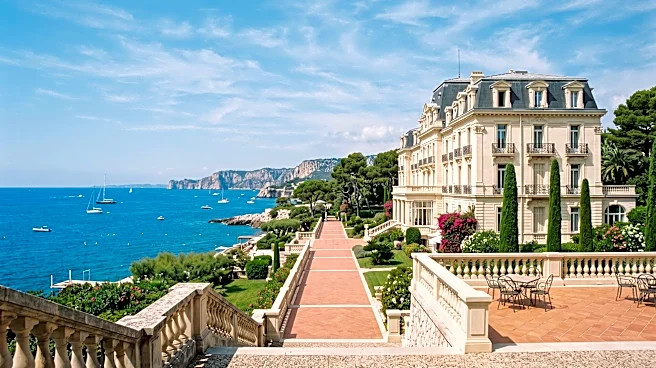
The Hotel du Cap-Eden-Roc in Antibes, France, a historic luxury hotel frequented by celebrities and VIPs, has implemented new restrictions on unauthorized photoshoots and photography in shared spaces. This decision comes in response to a growing issue
of non-resident visitors, particularly social media influencers, booking tables for lunch primarily to conduct extensive photoshoots, often involving multiple outfit changes, rather than dining. These activities have reportedly disrupted the privacy and experience of regular guests who view the hotel as a private retreat. The hotel's management has observed instances where individuals would book reservations without consuming meals, solely focusing on creating social media content. This behavior has led to complaints from long-standing patrons, prompting the hotel to take action to preserve its traditional atmosphere and guest privacy. The new policy aims to curb these disruptive practices while still allowing organized photoshoots with prior authorization.
Why It's Important?
This policy shift by a prominent luxury establishment highlights a broader tension between traditional hospitality values and the pervasive influence of social media culture. For the U.S. luxury travel and hospitality industry, this development could signal a potential trend where high-end venues prioritize guest experience and privacy over social media visibility. Hotels that cater to an exclusive clientele might consider similar measures to protect their ambiance and the expectations of their loyal customers. This could lead to a re-evaluation of marketing strategies within the luxury sector, potentially shifting focus away from influencer collaborations that disrupt operations. On the other hand, influencers and content creators, who rely on such picturesque locations for their work, may face increased challenges in accessing and utilizing these venues, potentially impacting their content creation and business models. The move also underscores a growing demand among affluent consumers for private, undisturbed experiences, which could influence future design and service offerings in the luxury market.
What's Next?
The Hotel du Cap-Eden-Roc plans to enforce its new photography policy by placing rules in guestrooms, publishing them online, and ensuring staff communicate them during check-ins. Employees are also being trained to handle objections, including from VIPs, to ensure consistent application of the rules. While a complete ban on photography is not in place, organized photoshoots will require a request through the concierge and prior authorization. The hotel is also offering an in-house photographer service for a fee, providing an alternative for guests wishing to capture their moments. This approach suggests a move towards managed photography rather than outright prohibition. Other luxury establishments, both in the U.S. and internationally, will likely observe the effectiveness and reception of this policy. If successful in restoring guest privacy and satisfaction, similar measures could be adopted by other high-end hotels and resorts seeking to maintain their exclusive appeal in an increasingly digital world.
Beyond the Headlines
The Hotel du Cap-Eden-Roc's decision reflects a deeper societal conversation about the boundaries of public and private spaces in the age of social media. It raises ethical questions about the commercialization of personal experiences and the impact of content creation on the enjoyment and privacy of others. The hotel's move to protect its 'summer home' atmosphere for loyal guests suggests a pushback against the commodification of luxury and exclusivity for online engagement. This could lead to a re-evaluation of what constitutes 'luxury' in the modern era, potentially emphasizing discretion, authenticity, and an escape from constant digital performance. Culturally, it highlights a growing fatigue with the performative aspects of social media, particularly among those seeking genuine relaxation and privacy. The policy could also influence legal discussions around property rights, intellectual property, and the right to privacy in commercial settings, especially as more businesses grapple with the implications of user-generated content and influencer marketing.