


What's Happening?
Open-concept living is a design approach that involves removing walls separating the living room, dining room, and kitchen to create a larger, more fluid space. This strategy aims to make homes appear more spacious and encourages social interaction, allowing
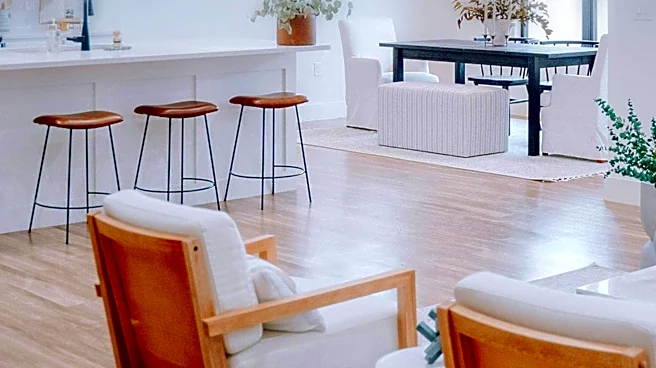
individuals in different areas to communicate without barriers. To maintain order within these expansive areas, designers utilize 'invisible walls' or visual zoning techniques, which define distinct functional zones without physically enclosing them. This design philosophy is particularly beneficial for smaller homes, as it maximizes perceived space and allows natural light to flow more freely through multiple rooms, enhancing well-being and reducing the need for artificial lighting. The trend also emphasizes efficient circulation by eliminating narrow corridors and offers versatility, enabling spaces to adapt to various needs, such as setting up a temporary office in the living room.
Why It's Important?
The shift towards open-concept living reflects a broader societal trend prioritizing connectivity and flexible living environments. For U.S. homeowners, this design choice offers significant advantages, particularly in urban areas where compact living spaces are common. By creating a sense of openness and maximizing natural light, open-concept layouts can enhance the psychological well-being of residents and contribute to energy efficiency by reducing reliance on artificial lighting. The emphasis on social interaction within the home aligns with contemporary lifestyles that value family engagement and entertaining. Furthermore, the versatility of these spaces allows homeowners to adapt their living environments to evolving needs, such as remote work or multi-generational living, without undertaking extensive renovations. This approach also impacts the real estate market, as homes with well-executed open-concept designs can be more appealing to buyers seeking modern, functional, and aesthetically pleasing living spaces.
What's Next?
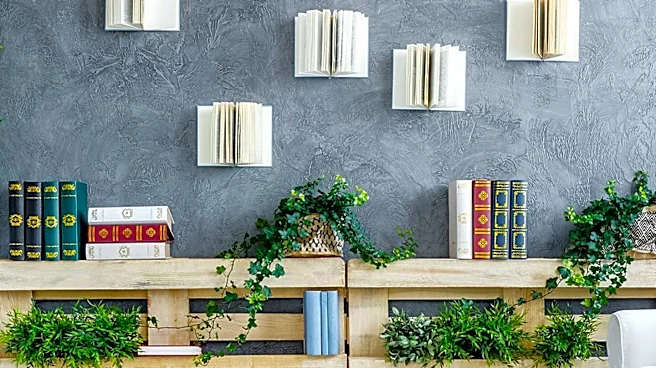
The evolution of open-concept living is expected to focus on refining visual zoning techniques and integrating smart home technology to enhance functionality and comfort. Designers will continue to explore innovative ways to define areas within open spaces using elements like varied flooring materials, strategic furniture placement, and open shelving, rather than traditional walls. There will likely be an increased emphasis on personalized lighting schemes, with layered lighting (general, task, and accent) tailored to each zone's activity, ensuring both functionality and aesthetic appeal. Furthermore, as homeowners seek to balance openness with the need for privacy and quiet, there may be a trend towards incorporating flexible partitions, such as sliding glass doors, that can temporarily enclose areas when needed. The integration of smart home systems will also play a crucial role in managing lighting, climate, and entertainment across these interconnected spaces, further enhancing the living experience.
Beyond the Headlines
Beyond its aesthetic and functional benefits, the widespread adoption of open-concept living has deeper implications for social dynamics and personal well-being within the home. By breaking down physical barriers, these layouts inherently encourage more frequent and spontaneous interaction among household members, potentially strengthening family bonds and fostering a greater sense of community within the living space. However, this increased openness also presents challenges, such as the potential for noise and lack of private retreats, which can impact individual concentration and relaxation. The design trend also subtly influences consumer behavior, driving demand for multi-functional furniture and integrated storage solutions that help maintain a clutter-free environment. Ethically, the emphasis on natural light and energy efficiency aligns with growing environmental consciousness, promoting more sustainable living practices. Culturally, it reflects a move away from more formal, compartmentalized living towards a more casual, interconnected domestic life, mirroring broader societal shifts towards transparency and accessibility.