




What's Happening?
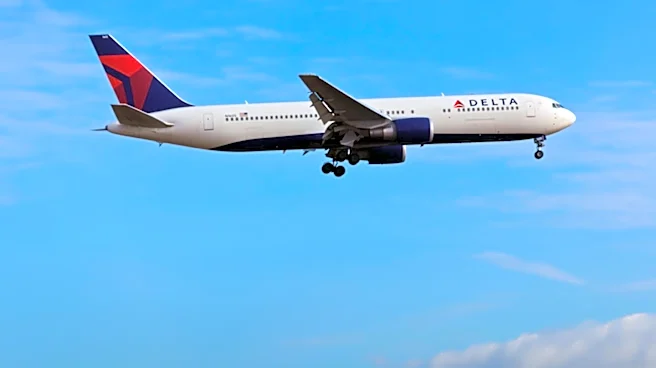
Delta Air Lines CEO Ed Bastian has indicated that artificial intelligence (AI) could significantly enhance the airline's profitability, potentially by as much as 50%. Speaking on the 'Airlines Confidential Hosted by Scott McCartney' podcast, Bastian explained
that AI could optimize various operational aspects, including predicting maintenance needs, managing flight crews, reducing fuel costs, and improving overall efficiency. He emphasized that AI's role is to facilitate better decision-making, referring to it as 'augmented intelligence' to highlight the necessity of human involvement and address concerns regarding trust and governance. Delta is currently testing AI-driven dynamic pricing on approximately 3% of its fares, aiming to optimize ticket pricing strategies. While the airline maintains it does not use personal information for individualized pricing, some travelers and members of Congress have expressed concerns about the potential for higher ticket prices and cutbacks, fearing that AI could lead to more sophisticated methods of maximizing revenue at the expense of consumers.
Why It's Important?
The potential for a 50% increase in profitability for a major U.S. airline like Delta, as suggested by CEO Ed Bastian, signifies a transformative shift in the aviation industry's economic landscape. This development could lead to billions of dollars in additional profit for Delta, impacting its financial performance and potentially setting a new standard for operational efficiency across the sector. For the broader U.S. economy, increased profitability in a key industry like air travel could have ripple effects, influencing investment, employment, and technological adoption. However, the implementation of AI-driven dynamic pricing raises significant questions for consumers. Travelers like Taot Malo express concerns about potential price hikes and service cutbacks, fearing that AI will be used to maximize revenue without commensurate benefits for passengers. This tension between corporate profitability and consumer welfare highlights a critical debate about the ethical implications and regulatory needs surrounding AI in commercial applications, particularly in sectors with high public reliance.
What's Next?
Delta's ongoing trials of AI-driven dynamic pricing on a segment of its fares will likely continue to be closely monitored by both industry observers and regulatory bodies. The airline's commitment to not using personal information for individualized pricing will be a key point of scrutiny, especially given past questioning from members of Congress regarding such practices. Experts like Emory University professor Ramnath Chellappa suggest that AI could become highly sophisticated in analyzing consumer willingness to pay, potentially leading to tailored offers based on broader trends rather than personal data. The airline industry as a whole may observe Delta's success and challenges in integrating AI, potentially leading to wider adoption of similar technologies. Future developments will likely involve ongoing discussions about the balance between technological innovation for profit and consumer protection, possibly leading to new industry standards or regulatory frameworks for AI use in pricing and operations.
Beyond the Headlines
The integration of AI into Delta's operations, particularly for dynamic pricing, extends beyond immediate profitability and consumer concerns, touching upon deeper ethical and societal implications. The concept of 'augmented intelligence,' as termed by CEO Ed Bastian, underscores a philosophical approach to AI where human oversight remains crucial, aiming to build trust and address governance issues. However, the underlying capability of AI to analyze and predict consumer behavior, even without using personal data, raises questions about market fairness and accessibility. If AI can identify what customers value and tailor offers accordingly, it could inadvertently create a tiered system where different passengers, based on their perceived willingness to pay, receive vastly different pricing. This could exacerbate existing inequalities or create new ones, challenging the notion of equitable access to essential services like air travel. The long-term shift could be towards an increasingly personalized, and potentially opaque, marketplace where pricing is less about fixed costs and more about individual demand curves, necessitating robust ethical guidelines and transparent regulatory oversight.