






What's Happening?
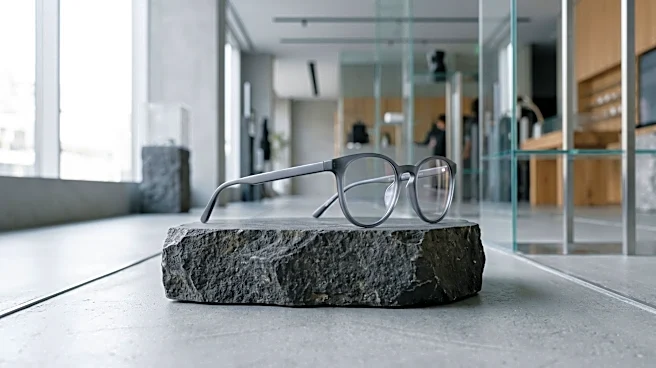
Snap has initiated preorders for its Specs AR glasses, which are priced starting from $2,195. These augmented reality glasses are designed to resemble traditional spectacles and are available in two sizes: narrow fit (47mm) and wide fit (52mm). Both sizes come
with swappable sizing nose pads to ensure a proper fit. A notable feature for customers is the availability of a virtual try-on tool on the Specs website, allowing them to determine the correct size before purchasing. The Specs AR glasses are expected to ship in the fall and offer various functionalities, including turn-by-turn navigation, translation, and spatial computing. They also support a growing collection of 'Lenses,' which are apps for games and learning tools. The device boasts up to four hours of mixed-use battery life, extendable with an included charging case that can recharge the Specs four times on the go. The glasses feature see-through displays that overlay digital information onto the real world, built-in stereo speakers, and six microphones for calls and audio experiences, operating independently without requiring a nearby phone.
Why It's Important?
The launch of Snap's Specs AR glasses signifies a significant step in the consumer augmented reality market, potentially accelerating the adoption of AR technology in everyday life. By integrating advanced features like navigation and spatial computing into a familiar form factor, Snap aims to make AR more accessible and less obtrusive than previous iterations. The virtual try-on feature addresses a common challenge in online retail, particularly for wearable tech, by enhancing customer confidence in their purchase and potentially reducing returns. This could set a new standard for how companies approach selling personalized technology products. The independence of the Specs from a smartphone also marks a shift towards more self-contained AR devices, which could lead to new use cases and greater user convenience. For the broader tech industry, this release could spur further innovation in AR hardware and software, as companies compete to offer more seamless and integrated augmented reality experiences.
What's Next?
Following the preorder phase, the Specs AR glasses are slated for shipment in the fall. As the devices reach consumers, the focus will likely shift to user adoption rates and the expansion of the 'Lenses' ecosystem. Snap will need to continuously develop and attract developers to create compelling applications that leverage the unique capabilities of the Specs, such as spatial computing and real-world overlays. The success of the virtual try-on tool could also influence other wearable tech companies to implement similar features, making it a standard in the industry. Furthermore, the independent operation of the Specs from smartphones suggests a future where AR devices could become primary computing platforms, potentially reducing reliance on traditional mobile devices for certain tasks. The market's reaction to the $2,195 price point and the practical utility of the glasses in daily life will be crucial in determining their long-term success and impact on the AR landscape.
Beyond the Headlines
The introduction of Snap's Specs AR glasses, particularly with their emphasis on a traditional glasses form factor and independent operation, hints at a broader cultural and technological shift towards ubiquitous computing. The virtual try-on feature, while practical, also underscores the increasing integration of digital tools into the consumer journey, blurring the lines between physical and virtual retail experiences. Ethically, as AR glasses become more commonplace, questions around privacy, data collection, and digital overlay manipulation will become more prominent. The ability to overlay digital information onto the real world could lead to new forms of advertising, information access, and social interaction, but also potential concerns regarding digital distraction and the authenticity of perceived reality. The development of a robust 'Lenses' ecosystem will be critical, as it will determine the utility and appeal of the Specs beyond their initial novelty, potentially shaping how individuals interact with information and their environment in the coming years.